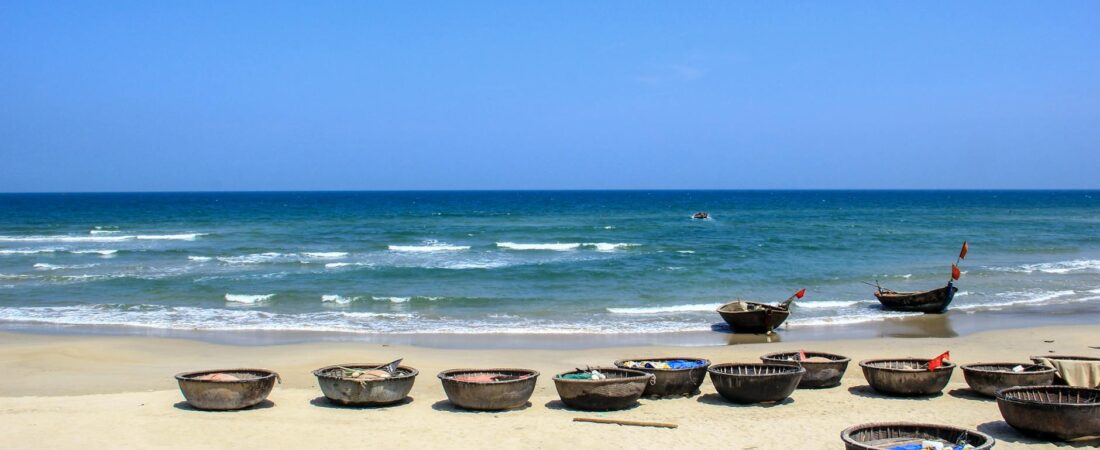
Vietnam has some of the most striking coastal landscapes in Southeast Asia, and many Indian travellers overlook them in favour of Thailand. The country’s beaches stretch across thousands of kilometres, from the limestone cliffs of the north to the Mekong Delta in the south. Each stretch of sand tells a different story. Some are crowded with resorts and water sports. Others remain quiet and relatively untouched. If you’re planning a beach holiday to Southeast Asia, Vietnam beaches deserve serious consideration. The water is warm, the seafood is excellent, and your money goes further than almost anywhere else in the region. What makes Vietnam stand out isn’t just the natural beauty. It’s the lack of tourist saturation you’ll find at comparable spots in neighbouring countries. You get the same tropical setting without the crushing crowds or inflated prices. The infrastructure is solid in popular areas, but still feels local. Accommodation ranges from beachfront luxury to simple family-run guesthouses. Transportation between beaches is straightforward by bus or scooter rental. What surprised many visitors is how easy it is to move between different coastal zones and experience completely different environments.
Phu Quoc Island. Your First Choice for Complete Relaxation Phu Quoc sits at the southern tip of Vietnam, close enough to Cambodia that you can actually see it across the water. This island has transformed significantly in recent years, attracting both resort developers and backpackers seeking quieter alternatives to Thailand’s islands. The beaches here are long and sandy, with shallow water that’s ideal for swimming and snorkelling. The northern coast faces Cambodia and tends to be calmer. The western beaches draw most visitors. The island works well for different travel styles. Luxury resorts cluster around Long Beach and Bai Sao. Budget hotels and hostels concentrate near the main town. If you’re planning to stay put for several days, Phu Quoc offers enough variety to keep you entertained. There’s snorkelling at nearby islands, waterfall hikes in the interior, and pepper plantations you can visit inland. The fish sauce production here is world-famous if that interests you. Prices for food and beer are notably lower than what you’ll pay in the north, so extend your budget further. Many travellers come for three days and end up staying two weeks because there’s no pressing reason to leave. – Long Beach offers the most developed infrastructure – Bai Sao on the east coast has the softest sand – Night markets in Duong Dong town sell fresh seafood daily – Boat tours to nearby islands start from about 300,000 VND per person The real draw is the absence of aggressive touts and high-pressure sales tactics. Shop owners will try to sell you things, but without the intensity you’d experience in Phuket or Koh Samui. Start at the night market for dinner. That’s where locals eat, and prices reflect it. ## Nha Trang. Energy, Water Sports, and Actual Nightlife Nha Trang sits midway down the coast and represents the opposite end of the spectrum from peaceful island escapes. This is a full-service beach city with restaurants, bars, dive shops, and accommodation at every price point. The beach itself curves along a bay with calm, protected water. The sand isn’t the whitest you’ll see in Vietnam, but it’s clean and wide enough for proper sunbathing. The city’s greatest strength is that it doesn’t pretend to be something it isn’t. It’s a working port town that happens to have a excellent beach. Local fishermen still operate from the same stretch where tourists swim. That tension creates a sense of place you won’t find in purpose-built resort areas. The seafood here is impossibly fresh and cheap. Walk along the waterfront at dusk and choose any restaurant that looks busy. You’ll eat better than you expect for less than 100,000 VND per person. Water sports dominate the daytime activity. Diving is particularly strong here, with several established operators running trips to offshore reefs and wreck dives. Snorkelling trips leave daily from the main beach. Jet skis and parasailing are available if you want something louder. The real question is whether you want an active beach stay or a restful one. Choose Nha Trang if you want movement and social energy. – Muddy Mountain hot springs are a short taxi ride inland – Po Nagar Cham Towers overlook the city from a hillside – Island-hopping boat tours include lunch and snorkelling – The lantern-lit old quarter has better restaurants than beachfront areas The nightlife here is legitimate, unlike at smaller beach towns where a “bar” means someone’s patio with a speaker. You’ll find clubs with DJs, live music venues, and rooftop bars. That appeals to some travellers and repels others depending on what you want from a beach holiday. ## Mui Ne. Wind, Sand, and Unexpected Quiet Mui Ne sits about four hours northeast of Ho Chi Minh City and has developed into a water sports hub without losing its character. The beach faces south, which means it catches consistent winds that make it ideal for kiteboarding and windsurfing. Equipment rental is cheap, and lessons are available if you don’t know how. The water here is actually warmer than Nha Trang because of its southerly position. What is the landscape. Behind the beach, massive red and white sand dunes create an almost lunar setting. These aren’t small sand piles. They’re proper dunes you can climb that stretch inland for kilometres. Many visitors skip Mui Ne entirely because they assume it’s too touristy, but the reality is quite different. Outside the central beach area, the town is genuinely quiet. Fishing villages operate normally. Local life continues alongside tourism rather than being consumed by it. The water here suits swimmers as much as wind sports enthusiasts. Shallow sections are non-swimmers. Deeper areas drop away quickly for confident swimmers. The main complaint from some visitors is that the beach can get crowded with enthusiasts during peak wind season, but that’s typically only an issue in a small defined area where the equipment rental shops cluster. Move a few hundred metres in either direction and you have space to yourself. Accommodation is scattered rather than concentrated, which creates a more dispersed feel than you’d get at Nha Trang. This means you need to decide which part of town suits you before arriving. Beachfront areas are pricier but offer convenience. Inland hotels are cheaper and quieter but require a short walk or taxi ride to reach the sand. – Red sand dunes are best visited at sunrise or sunset – Local fishing villages offer authentic meals at genuinely low prices – Windsurfing equipment rental costs less than half of Thailand rates – The fishing port area has restaurants most tourists never find Stay here if you want water activities without the party atmosphere that dominates Nha Trang. ## Ha Long Bay. Limestone Cliffs and Cruise-Based Exploration Ha Long Bay in the north represents something different entirely. This isn’t a traditional beach destination with long stretches of sand. Instead, it’s a seascape of limestone karsts rising from turquoise water, with beaches tucked between the rock formations. The UNESCO World Heritage designation is legitimate. The landscape genuinely deserves the recognition. Most people experience Ha Long by taking an overnight cruise or day trip from the port town of Ha Long City. The cruise experience is the main draw here because that’s how you actually see the bay properly. Land-based hotels in Ha Long City offer bay views but not bay access. From the water, you drift past dramatic rock formations, stop at floating villages, and anchor in quiet coves for swimming. The water is cool rather than warm, particularly in winter months. It’s refreshing rather than bathtub-like, which some travellers prefer. Overnight cruises range from budget joint-berth options to luxury vessels. The budget cruises offer genuinely good value and reasonable comfort. Luxury cruises provide space, better food, and private cabins. Mid-range options tend to offer the best value if you want comfort without paying resort prices. Many cruises include cave visits, which are interesting but can feel rushed depending on group size and how long the captain allocates for exploration. The main operational detail is that Ha Long Bay gets crowded. Dozens of cruises operate daily. You’re not alone out on the water. If solitude is your priority, this isn’t the place. If you want dramatic natural scenery and a manageable way to see it, Ha Long works perfectly. The cruise handles logistics and navigation, so you just show up and settle in. – Floating villages show traditional fishing community life – Cat Ba Island has beach areas and hiking trails – Cave systems in the bay were occupied historically – Budget cruises still provide three meals plus basic activities Book ahead during peak season because slots fill quickly even though many boats operate. ## Con Dao Islands. History, Remoteness, and True Peace Con Dao sits about 150 kilometres off the southern coast and remains one of the least crowded beach destinations in Vietnam. The islands were a French colonial prison, and that history shapes the atmosphere in subtle ways. The main town, Con Son, has a museum and preserved prison buildings if you’re interested in that story. Most visitors aren’t. They come for the beaches and the general lack of other tourists. The beaches here are genuinely quiet. You can spend entire afternoons on the sand without seeing another person. The water is warm and clear. Snorkelling is good if you bring gear. No major dive operations exist, so it remains low-key and peaceful. The fishing boats that use these waters are small and unobtrusive. The island doesn’t feel exploited. It feels like you’ve found something before it became famous. Reaching Con Dao requires either a flight from Ho Chi Minh City or a ferry that takes several hours. The access friction is exactly why it remains quiet. Most tourists can’t be bothered with the logistics, so they go to Phu Quoc or Nha Trang instead. That creates an opportunity for travellers who want something genuinely different. Accommodation is limited and deliberately simple. You won’t find sprawling resorts. You’ll find hotels with maybe ten rooms and family-run guesthouses. That’s not a limitation. It’s a feature that preserves the island’s character. Prices are reasonable because infrastructure is basic. Restaurants exist but they’re not marketing to tourists. They’re feeding people who live here and happen to welcome visitors. – Phu Hai Beach on the east coast is the main swimming spot – Ong Dung Beach has dramatic cliff scenery – The island’s interior has temples and viewpoints – Ferries run daily but schedules change seasonally Bring cash because ATMs are limited, and some places don’t accept cards. That final detail separates the tourists who want infrastructure from those who want authenticity. ## Da Nang and Hoi An Beaches. Culture Plus Coast Da Nang serves as both a beach destination and the gateway to the nearby ancient town of Hoi An. My Son ruins and various cultural sites lie within reach. This location appeal attracts different visitors than island escapes do. You’re not here to only swim and relax. You’re building a more diverse trip where beaches are one component. My Khe Beach stretches for kilometres near the city center. The sand is soft, the water is warm, and development is controlled by the city government rather than running wild. That regulation means the beach stays open and accessible. Resorts exist but they don’t dominate the entire shoreline. Local Vietnamese families come here to swim and spend time. That presence makes it feel like an actual beach rather than a tourist artifact. The water here is notably warmer than Ha Long Bay but sometimes choppier than Phu Quoc. September through November brings the calmest conditions. The rest of the year offers variable weather that can change quickly. Plan flexibility into your days. If the water is too rough for swimming, the cultural sites provide excellent backup activities. Hoi An town is about 30 kilometres south and offers centuries-old architecture, lantern streets, and