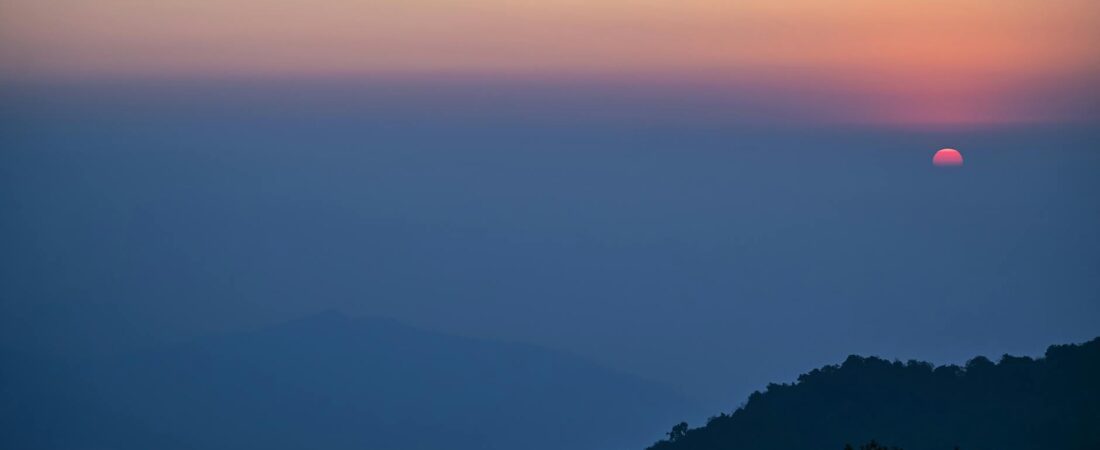
If you’re planning a trip to Darjeeling and want to catch the sunrise, there’s really only one place that matters. Tiger Hill is where locals and tourists alike gather before dawn to watch the sun break across the Kanchenjunga range. It’s not just about the views. The experience shapes how you think about mountain mornings for years afterward. This guide covers everything you need to know about planning your sunrise in Darjeeling, from timing and transport to what to expect when you actually get there.
What Time Does Sunrise Happen in Darjeeling? The sunrise time in Darjeeling changes throughout the year, and this matters more than you’d think. During winter months, the sun rises between 6:15 and 6:45 AM. In summer, it comes up earlier, often around 5:00 to 5:30 AM. This isn’t just trivia. If you’re arriving at Tiger Hill at what you think is the right time, being off by ten minutes can mean missing the actual moment the sun clears the horizon. The best approach is to check the exact sunrise time for your specific travel date before you book anything. Local hotels keep this information updated, and most tourism offices in town display it as well. Don’t rely on your phone’s weather app alone. Darjeeling’s specific elevation and geography create local variations that generic weather services miss. Here’s what actually happens during the sunrise at Tiger Hill. You’ll arrive in darkness, often with thirty to forty minutes to spare. The sky begins shifting through shades of grey and blue about twenty minutes before the sun appears. Then, for about five minutes, the colors intensify rapidly. The mountains turn pink, then orange, then gold. If you want the best light for photos or just to sit and absorb the moment, arrive at least forty-five minutes before the official sunrise time in darjeeling. ## Tiger Hill: The Only Real Sunrise Point That Matters Tiger Hill sits at about 2,590 meters elevation, roughly twenty kilometers from Darjeeling town center. The location offers an unobstructed view of Kanchenjunga, the third-highest mountain in the world. On clear mornings, you can see the snow peaks turn colors as sunlight hits them from the east. On cloudy mornings, you see nothing but mist. That’s the reality you need to accept before committing to an early wake-up call. The walk from the parking area to the actual viewpoint takes about ten minutes. The path is paved but sloped. If you have mobility issues or prefer not to walk, ask your cab driver if there’s space to drop you closer. Many drivers know the terrain and can save you a steep climb. The viewing platform itself is fenced and crowded during peak season, but there’s enough space that you won’t feel crushed. One specific thing that surprises visitors: Tiger Hill has tea stalls and small restaurants. They open early specifically for sunrise watchers. The chai here is genuinely good and costs about thirty to forty rupees. You can get toast, biscuits, and sometimes omelettes. Eating something warm while waiting makes the cold morning much more bearable. The sunrise darjeeling experience isn’t just visual. Adding hot chai to the mix changes the entire feeling of the morning. ## Timing Your Departure for the Drive to Tiger Hill Getting to Tiger Hill from Darjeeling town takes about forty-five minutes to an hour by car. This matters because it shapes your entire morning. If sunrise happens at 6:00 AM, you need to leave your hotel by 4:45 AM at the latest. Most people aim to arrive by 5:15 AM, giving themselves breathing room for the walk and settling in. The roads are paved but narrow in places. During monsoon season, they can be slippery. In winter, there’s rarely ice but fog can reduce visibility. Your driver will know the route well if they’re local. If you’re hiring from a tourist agency, confirm they understand Tiger Hill and aren’t planning some convoluted route through town first. One crucial detail: traffic is almost non-existent at this hour. The drive is straightforward. What slows you down is waking up early enough and assembling yourself to leave on time. Set an alarm with enough buffer to shower, dress warmly, and grab water or tea before heading out. Missing your window by ten minutes isn’t a tragedy, but it does cost you time at the viewpoint. ## Booking Cabs and Choosing Your Transport You have three options for getting to Tiger Hill. You can book a private cab through your hotel, hire a cab from a local stand in town, or arrange transport through a tour company. Each has different costs and trade-offs. Private cabs booked through your hotel usually cost between eight hundred and fifteen hundred rupees for the round trip. The driver often waits for you at Tiger Hill, which is convenient. The downside is you’re paying hotel markups. Local cab stands charge less, often five hundred to eight hundred rupees, but you’re responsible for communicating your needs and timing clearly. Tour companies offer shared rides with other tourists, costing four to six hundred rupees per person, which saves money but ties you to group schedules. For a solo traveler or couple, a private cab is worth the extra cost. You control the timing completely. You can arrive earlier if the weather looks unclear and want a second attempt, or leave later if you want to explore the area. If you’re traveling in a group of four or more, splitting a private cab makes it cheaper than individual fares. The decision depends on your schedule flexibility and whether you value independence over savings. Book your cab the evening before. Confirm the pickup time in writing and have your hotel staff double-check the timing with the driver. Miscommunications happen constantly with early morning bookings. A simple text message or written note prevents confusion. Know this first: drivers are more reliable when expectations are crystal clear from the start. ## What to Wear and Pack for the Morning Darjeeling’s temperature at Tiger Hill, even in what people think of as warm months, drops significantly before sunrise. You’re at high elevation. Wind chill matters. Pack a warm jacket or sweater, even in summer. In winter, bring thermal layers underneath. A good pair of closed shoes with decent grip matters because the path can be wet from dew or overnight misting. Bring a hat or beanie if you have one. Your ears and head lose heat rapidly. Gloves are useful in winter but honestly feel excessive to many people. A scarf works well for dual purpose. sunglasses for the actual sunrise moment, when the light becomes very bright and reflects off snow and clouds. None of this needs to be expensive or specialized gear. Standard warm winter clothing does the job. What people often forget: water and snacks. You’re waking up early and your body needs fuel. Bring a water bottle and maybe an energy bar or banana. The tea stalls have chai, but having your own water means you can space out how much liquid you consume before walking back down. No one wants an urgent bathroom situation halfway through the descent. Leave your valuables in the hotel safe. Tiger Hill is crowded and pickpocketing happens occasionally. You don’t need fancy camera equipment either. Modern phone cameras capture excellent sunrise photos. If you’re bringing a real camera, keep it secured and don’t display expensive lenses openly. ## Weather Considerations and Cloud Reality Here’s the uncomfortable truth that tour guides often gloss over: you might not see anything. Clouds at Tiger Hill are frequent, particularly during monsoon season from June to September. Even in clear seasons, fog rolls in unexpectedly. You can do everything perfectly and still watch the sunrise happen behind a thick grey blanket. This isn’t a reason to skip the experience. Most mornings, the view is at least partially clear. Even when clouds are present, the light show still happens. The colors appear on the underside of the clouds. The atmosphere shifts. Local photographers say the best sunrise photos sometimes come on cloudy mornings because the clouds add drama that blue-sky mornings lack. Check the weather forecast the night before and again in the morning. If there’s a severe rain warning or heavy fog is predicted, talk to your hotel staff about waiting another day if you have flexibility. But don’t cancel based on a “chance of clouds.” That’s meteorological pessimism. Chance of clouds in Darjeeling could mean ten percent actual obstruction. Instead, make your decision on what you observe in person. If you arrive and the view is completely obscured, ask your driver if you can return the next morning. ## The Actual Sunrise Experience at Tiger Hill Expect crowds in the range of fifty to three hundred people depending on the season and day of week. Holiday periods and weekends bring maximum crowds. Weekday mornings in shoulder seasons are quieter. The platform can feel cramped, but movement is fluid enough that you see most of the horizon if you position yourself carefully. The sounds around Tiger Hill during sunrise are specific and memorable. Prayer wheels spin softly in the wind. Birds begin calling as light increases. Tourists speak in hushed tones out of respect for the moment, even if they don’t consciously realize they’re being quiet. The temperature starts rising almost immediately after the sun clears the mountains. Bring phone battery power or ensure your phone is fully charged. Many people want to record video or take multiple photos. The lighting changes rapidly during the fifteen minutes of actual sunrise, so you’ll likely take many shots trying to capture it. Consider silencing notifications so your phone doesn’t buzz and distract you at the crucial moment. If you’re traveling solo, standing near other lone travelers often creates spontaneous conversations. The shared early morning and mutual awe create connection. These aren’t deep friendships, but the interactions add something to the experience. Many people return home and remember the stranger they chatted with at Tiger Hill more vividly than the actual sunrise itself. ## Beyond Tiger Hill: Sunset in Darjeeling If you’re wondering about sunset options, Darjeeling offers several viewpoints worth considering. The sunset time in Darjeeling arrives between 4:15 PM in winter and 5:45 PM in summer. Batasia Loop, which is closer to town and easier to access, works well for sunset. The view isn’t as dramatic as Tiger Hill’s sunrise, but the logistics are simpler. You could theoretically do both sunrise at Tiger Hill and sunset at Batasia Loop on the same day. This requires returning to your hotel for rest and meals in between. Some travelers find this too exhausting. Others love the full day of mountain watching. Your energy level and interest in spending significant time chasing light determines what makes sense. The sunset in darjeeling from Batasia Loop includes the toy train that circles below, adding a nostalgic element to the experience. It’s a different vibe entirely from the quiet reverence of Tiger Hill at sunrise. Both experiences have merit depending on what draws you to mountains in the first place. ## Final Practical Details Worth Knowing Altitude sickness is rare at Tiger Hill’s elevation, but some people feel mild effects. You’re not climbing dramatically, just being at height. If you have serious altitude concerns from past experiences, inform your hotel and move slowly on arrival. Most people have no issues whatsoever. Guides are available for hire at Tiger Hill if you want someone to explain the mountains and answer questions. They cost about two to three hundred rupees. If you’re interested in names of peaks, directions, and geographical context, hiring a guide enriches the experience. If you prefer silence and personal reflection, skip this expense. The walk down from Tiger Hill is easier than the walk up, but it requires care. Wear shoes with good grip. The path can be slippery even when it looks dry. People occasionally rush down too quickly and slip. Take your time. Plan your sunrise in Darjeeling around a clear forecast