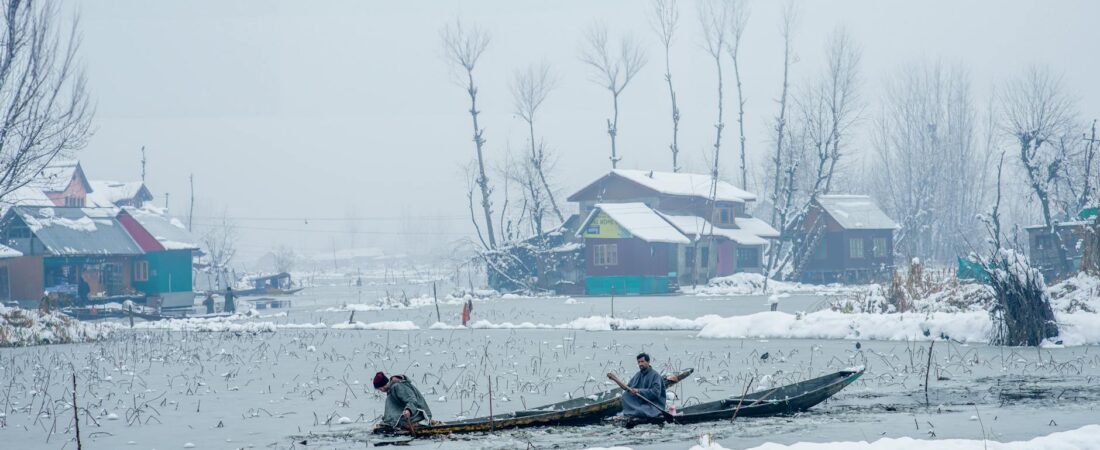
April is when Kashmir stops being a postcard and becomes something you can actually walk around in. The kashmiri temperature in april sits in a range that feels almost deliberately chosen by nature to make travel easy. Forget the heavy winter gear. Forget waiting for summer crowds either. This is the month when everything works out without feeling either frozen or chaotic. But here’s what travel blogs won’t tell you: April in Kashmir isn’t one thing. It’s three different experiences stacked on top of each other depending on where you go, what you do, and whether you’ve thought about timing. The temperature shifts. The snow situation changes week to week. What feels pleasant in Srinagar might feel cold in Gulmarg. The tourist infrastructure runs differently. Your hotel might have the heat on or off depending on the date. These aren’t minor details. They change how your trip actually feels from day to day.
Kashmir Temperature in April. What You’re Actually Walking Into. The thermometer reads between 12 and 20 degrees Celsius in the main valley areas. That’s real. But numbers don’t capture the actual feeling. Mornings are crisp enough that you’ll want a light jacket. By midday, that jacket comes off and stays in your bag. Evenings pull the chill back in around 6 PM. The sun here is direct and strong. You’ll burn if you’re not careful, even though the air temperature suggests you should freeze. This temperature range means you don’t need heavy winter clothing. You also don’t need summer clothes alone. The sweet spot is layering. A light sweater, a windproof outer layer, and jeans work for most days. But here’s the catch that nobody mentions. Rain in April isn’t rare. It’s actually quite common. The season transitions from spring snow to spring rain, and both happen in this month. You’ll see days that start clear and shift to drizzle by afternoon. Your hotel might have heating or might not. Check this before booking. If you’re sensitive to cold nights, this matters more than the daytime temperature. Higher elevations change everything. Gulmarg sits at 2,650 meters. The temperature there hovers closer to 5 to 12 degrees Celsius. Snow still exists on the ground in early April. By late April, you’re looking at slushy patches and wet meadows rather than proper snow. Pahalgam follows a similar pattern but with slightly warmer conditions. Srinagar stays the warmest of the main destinations. The valley floor captures more warmth than the mountains around it. ## Is There Snow in Kashmir in April. The Real Picture. Early April still shows snow in the high passes and upper meadows. The Gulmarg skiing season officially ends by mid-April. Whether there’s actual snow you can see and walk in depends entirely on when you visit within the month. The first week of April might give you snow patches. The last week probably won’t. Mid-month is genuinely unpredictable. But snow presence isn’t really the question most people should be asking. The question is whether you’ll encounter snow blocking roads or making travel difficult. The answer is mostly no. The main highway between Srinagar and Pahalgam stays clear. The road to Gulmarg opens fully by early April. Local authorities maintain these routes carefully. You won’t be stuck because of snow. You might see snow from a distance. You might hike above tree line and find patches. But you won’t be prevented from going somewhere because the snow blocks the way. What actually happens in April is the transition from snow to green. The meadows shift from white to wet to green. It’s faster than you’d expect. Pine forests remain forests. The valleys transform. Lower elevations green up while higher ones still show white. This creates a layered landscape. Some parts of your trip look wintry. Other parts look like spring. Photograph either one and it tells a completely different story about what Kashmir looks like. Understanding this shift changes how you plan what to photograph and where to hike. ## Kashmir in April Month. What Changes Week to Week. The first two weeks of April still hold winter’s grip in spots. Roads from Srinagar up to Gulmarg might have occasional snow patches. The weather is less stable. You’ll get sunny days followed by days where clouds sit low and rain is constant. Hotels often keep heating on through mid-April as a standard practice. Tourist infrastructure is just starting to ramp up. Restaurants you’d expect to be open might still be running limited hours. Some trek routes in higher areas might not be officially open yet. Guides for specific high-altitude routes might not be available. The second half of April feels closer to spring. The snow retreats noticeably higher. Meadows open up for day hikes and longer treks. More hotels, restaurants, and guide services are fully operational. The weather becomes more predictable. Rain still happens but snow becomes rare. The crowds start arriving but it’s not yet peak season. This window is genuinely underrated for tourism. You get the infrastructure of a functioning season without the July and August congestion. One specific thing: school holidays in India don’t align with April. That’s different from May and June. You’ll see fewer family groups. You’ll see more couples, solo travellers, and friend groups. Hotel bookings feel less like a game of musical chairs. Your hotel might actually have your preferred room available without booking weeks ahead. The difference in atmosphere between April and peak season is substantial. It’s quieter without feeling abandoned. ## The Things About April Weather That Catch People Off Guard. The temperature at night drops faster than you’d expect. Your hotel room might feel pleasant at 8 PM and genuinely cold by 11 PM. If your room has basic heating or a space heater, it matters. If it doesn’t, an extra blanket becomes essential rather than optional. Check your hotel’s heating setup in advance. Some guesthouses still have the mindset of closing for winter. They might provide basic facilities without full heating systems. This isn’t always a problem if you know it’s coming. The sun intensity is legitimate. You’re at significant elevation. The UV index is higher than at sea level. Sunscreen isn’t optional. Many people come from plains where April is hot and humid. They assume Kashmir April means cold everywhere. They skip sunscreen. They then spend their last three days with a sunburn and regret. The combination of cool air and strong sun creates the false impression that sun protection isn’t needed. Rain comes in quick bursts or steady drizzle depending on the day. It’s rarely all-day heavy rain. It’s more often the kind of rain that arrives for two hours, clears up, and returns later. Plan activities with this in mind. Long outdoor things work fine. Just avoid schedules so tight that a two-hour rain delay creates problems. The rainfall, combined with the temperature, can make some areas muddy. Trekking trails aren’t unusable, but hiking boots are practical rather than optional. ## What Your Hotel and Restaurant Options Actually Look Like. The season is open enough that most major hotels operate fully. Guesthouses and smaller properties might still be running with reduced staff. This isn’t always a negative. Smaller places often give better personal attention when they’re not completely overbooked. The tradeoff is fewer amenities. If your hotel’s restaurant is staffed by skeleton crew, you won’t get room service at 11 PM. You’ll plan dinner earlier. Food availability is perfectly normal. Kashmir’s growing season is ramping up. Fresh vegetables come into markets. Restaurants have variety. You won’t be eating from canned supplies. Local restaurants open for the season. Tourist restaurants operate at normal capacity. Wazwan is available everywhere. The quality varies wildly depending on location. Pay attention to where locals are eating. That’s your signal for good food at reasonable prices. One blunt point: April hotel rates sit between winter rates and peak summer rates. You’re not getting the deep discount of February. You’re also not paying the inflated price of June. It’s a reasonable middle ground. Book direct with hotels if possible. Many will negotiate April rates if you call. Online booking sites often show higher prices than what you can get through direct contact. Make the phone call. Hotels want bookings in April. They’ll work with you on price. ## Things to Actually Do in April. Beyond the Standard List. Meadow walks become possible in mid-to-late April. Betaab Valley is accessible and genuinely lovely. The meadows green up. Wildflowers appear. You won’t see the peak flower display until late May or June, but April shows enough colour. The valley has far fewer people than peak season. You can walk without feeling like you’re in a crowd. The water in the valley stays cold. Don’t attempt stream crossings without proper footwear. Boat rides on Dal Lake work perfectly. The water is cold but the experience is unchanged. Shikaras operate on normal schedule. The floating gardens still grow. April is actually ideal for this because the lake isn’t crowded with tourists. Houseboats are available and many have their heaters still running, which adds comfort during morning and evening hours. Some houseboats give significant discounts in April if you negotiate. Trekking in lower-altitude areas works without problems. Pahalgam has excellent day treks that don’t require special equipment. The Betaab Valley trek, Cheshmashahi trek, and similar routes are completely manageable. Higher treks like the Great Lakes Trek might still be snowy on certain sections. Check locally before attempting anything above 3,500 meters. Local guides give honest assessments. They won’t send you somewhere genuinely dangerous. But they also won’t refuse if conditions are borderline. Make your own comfort call. The Mughal gardens start their spring season. Shalimar Bagh and Nishat Bagh show growth but aren’t yet at their peak. The crowds are minimal. You can spend time without being herded through. Photography is excellent because light is good and backgrounds aren’t packed with tourists. The gardens are worth visiting specifically because of the low crowds. You can actually appreciate the layout and history rather than just snapping pictures while moving. ## Infrastructure and Practical Details That Actually Matter. The air quality in April is excellent. Winter smog clears. Summer dust storms haven’t started. If you’re travelling from Delhi or another polluted city, the air quality shift is genuinely noticeable and pleasant. Breathing feels easier. Your eyes don’t feel heavy by afternoon. Transportation is reliable. Flights between Delhi and Srinagar run on schedule. The road from Srinagar to Pahalgam takes about two hours and is smooth highway. The road to Gulmarg is a different situation. It’s narrower, steeper, and takes about two hours as well. Both are perfectly safe but the Gulmarg drive is noticeably more winding. If you get motion sickness, take medication before this drive. The mobile network is strong everywhere in the valley. 4G works in Srinagar and main towns. Higher elevations have patchy coverage but not complete dead zones. Internet in hotels is usually reasonable. If you’re working remotely, most mid-range hotels provide adequate connections. Check your hotel’s WiFi before committing if stable internet is essential. Hospitals and medical setup in Srinagar is modern. If you need a doctor, Srinagar city has options. Smaller towns like Pahalgam have basic clinics. Nothing that happens in April is medical emergency season. Standard traveller precautions apply. Drink bottled water. Eat at established restaurants. Get travel insurance anyway because it’s cheap and useful. ## The Real Reason April is Underrated. April in Kashmir works because it’s functional but not crowded. The temperature is real but manageable. The infrastructure is open but not strained. The weather is cool but not frozen. You can see snow if you go high enough. You’ll probably see rain at some point. The landscape is transitional, which makes it interesting rather than monotonous. You won’t be fighting crowds at popular spots. Your hotel booking is possible without booking six months ahead. Most people either come in winter for snow or summer for warmth. April is neither. It’s the month when Kashmir functions exactly