
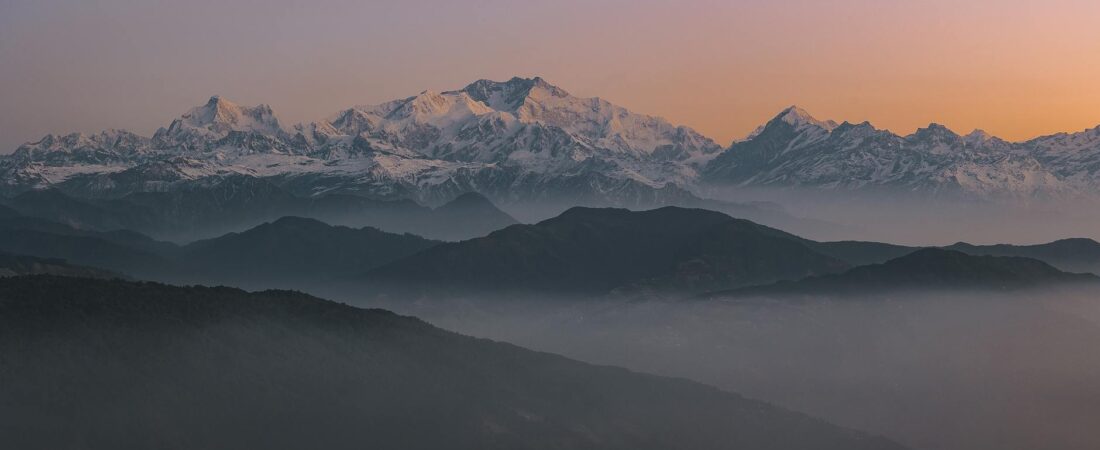
If you’ve planned a trip to Darjeeling, you’re probably going there for one reason. The kanchenjunga view from Darjeeling stops most visitors mid-breath. Standing at 8,586 metres, Kanchenjunga is the third highest mountain in the world, and from Darjeeling’s vantage point, it feels close enough to touch. The thing is, not every spot in town gives you that same view. Timing matters. Location matters. Knowing where to go changes everything.
This guide covers five spots where the mountain reveals itself best. You’ll find busy places and quiet ones, high points and lower angles. Some are reached in minutes. Others need a small hike. The views shift depending on season, weather, and how early you wake up. Early mornings almost always win. That’s when the sky clears and the peak glows.
Tiger Hill. The Classic Sunrise Spot for Kanchenjunga Viewpoint Darjeeling
Most people visit Tiger Hill first, and for good reason. It’s the most famous vantage point, sitting at 2,590 metres. The journey there takes about 45 minutes from central Darjeeling, depending on traffic. You’ll climb in darkness before dawn, often in a shared jeep with other visitors. The road winds through tea gardens and small villages still asleep.
Arriving before sunrise feels like joining something sacred. Dozens of people gather on the observation platform, all waiting for the same moment. When light touches Kanchenjunga’s peak, it shifts from grey-blue to gold to pink. The change happens fast. Within minutes, the colour fades and the mountain settles into daylight. This is why people wake at 4 AM for Tiger Hill.
The platform itself is basic. There’s a small tea stall selling chai, biscuits, and sometimes eggs. The setup is nothing fancy, but it works. You stand shoulder to shoulder with strangers, cameras out, watching the same light show. On clear mornings, you see Kanchenjunga, Makalu, and other peaks stretching across the horizon. Bad weather here means zero visibility. The mountain vanishes into cloud.
What makes Tiger Hill special isn’t the comfort. It’s the reliability. Come here on a clear morning, and you’ll see what you came for. The kanchenjunga view from Darjeeling often starts here for first-time visitors. Jeep rides cost about 500-800 rupees per person from town. Hiring a private vehicle runs higher but gives you flexibility. Book your jeep the night before if you’re serious about sunrise.
Batasia Loop. The Tea Garden Walk with Mountain Backdrop
Batasia Loop sits about 3 kilometres outside town. This is a working tea garden with a viewpoint, not a crowded tourist spot. The journey there winds through rows of tea bushes, mostly downhill. You can hike it yourself or take a jeep partway. A local guide makes a real difference here because they show you things the casual passer-by misses.
The view from Batasia is different from Tiger Hill. You’re not standing on a packed platform. Instead, you’re positioned within the landscape, with tea gardens in the foreground and Kanchenjunga across the valley. The mountain sits higher on the horizon from this angle. It feels more integrated into the scenery rather than isolated. The light here changes subtly throughout the day. Late afternoon brings softer shadows and warmer tones.
Walking through the tea gardens themselves is the real draw. You see how tea is picked, meet workers, understand the rhythm of harvest seasons. The air smells different here. Cool and green. Women in colourful saris move through the bushes with practiced ease. This is Darjeeling’s working heart, not a museum version. The kanchenjunga viewpoint here becomes secondary to the experience around it.
Batasia Loop also has a functioning train track where the mountain railway loops back on itself. If you time it right, you can photograph a heritage train with Kanchenjunga in the background. Trains run a few times daily, and timing is unpredictable. But that moment, if you catch it, is special. Bring a good camera. Bring patience. Don’t expect luxury here.
Singalila Ridge Trek. The Multi-Day Mountain View
This isn’t a spot you visit for an afternoon. Singalila Ridge is a three to five day trek that runs along Darjeeling’s western edge. The ridge forms the border between West Bengal and Nepal. Kanchenjunga views stretch across multiple days, from different angles and elevations. You’ll see the mountain from 9,000 to 11,000 feet, watching it change shape as you move.
The trek starts from Manebhanjang, about an hour from Darjeeling town. Day one takes you upward through rhododendron forests and small villages. Tea gardens give way to forest, then alpine meadows. Kanchenjunga reveals itself gradually over the first few days. From higher elevations, the mountain looks less imposing and more integrated with surrounding peaks. You understand its true scale by seeing the whole range together.
Most people hire a local guide and porters. Guides cost about 1,500 rupees daily. Porters handle your gear. You walk with a light day pack. This is not roughing it. Simple guesthouses and homestays line the trail. Food is basic but warming. Dals, rice, vegetables, tea. The rooms are cold at night. Bring a sleeping bag. Bring layers for varying weather.
What separates Singalila from roadside viewpoints is time. You’re not watching sunrise and leaving. You’re living in the mountain space for days. You see how light changes the peak’s appearance. You watch cloud cover come and go. You understand why this region captivated explorers and climbers. The trek demands more effort, but with perspective. Know this before booking.
Observatory Hill. The Peaceful Town Viewpoint
Observatory Hill rises from central Darjeeling itself. The climb takes 20 minutes from the town square. You’re walking through residential areas, passing homes and small shops. The path is steep but well-worn. Locals use it daily. You’ll see families, schoolchildren, old men practicing tai chi. This isn’t a tourist trail in the traditional sense.
The viewpoint sits beside a small temple and a weather station. The space is calm. The crowd here, if there is one, is minimal. From Observatory Hill, Kanchenjunga floats in the distance, framed by closer hills and the town spread below. The view isn’t as dramatic as Tiger Hill. The mountain is smaller on the horizon. But the setting is more integrated. You’re not standing on a platform waiting for something. You’re standing in town, looking outward.
Early mornings are good here too. The light comes softer than at Tiger Hill because you’re lower in elevation. The visibility is often better because you’re not fighting early morning clouds at higher altitudes. If you climb at sunrise, expect to arrive as town awakens. You hear roosters, temple bells, the sound of shutters opening. It’s ordinary and real in a way crowded viewpoints aren’t.
This spot works well if you’re short on time. You can see kanchenjunga view from Darjeeling without pre-dawn jeep rides. The viewpoint is free. The climb is easy. The payoff is genuine. Photography here works better in soft light than in the harsh golden hours. Afternoon light, actually, gives good colour and clarity. Come when you want, stay as long as you like. That’s the luxury here.
Darjeeling Himalayan Railway Ride. The Moving Perspective
The mountain railway, or “toy train” as locals call it, offers something unique. You see Kanchenjunga from a moving platform, from different elevations, across changing terrain. The railway climbs from Siliguri in the plains to Darjeeling at 2,200 metres. The full journey takes nearly a day. Most visitors ride a shorter section, often the scenic Batasia Loop stretch or the Darjeeling to Kurseong route.
Riding the train isn’t fast. The locomotive crawls uphill. You have time to absorb the landscape. Tea gardens roll past your window. Mountains grow clearer as you climb. On certain stretches, Kanchenjunga appears and disappears as the train curves through hills. Photography from a moving train is tricky but rewarding. The vintage cars create a frame within the frame.
The trains run on a heritage schedule. Departures are irregular and change seasonally. Tickets are cheap, about 150-400 rupees depending on distance. The cars are crowded but atmospheric. Vintage wooden seats, narrow aisles, open windows. You’re not comfortable in a modern sense. You’re in character. You’re experiencing how travel happened here a century ago.
What makes the railway special is the journey itself. You’re not static. You’re moving through the landscape while the mountain watches. The perspective changes constantly. No two moments look the same. This works best if you enjoy process over destination. The ride matters more than arriving. That mindset shifts how you experience everything.
Planning Your Kanchenjunga Views
The best spot depends on your priorities. Tiger Hill wins for drama and reliability. Batasia Loop wins for integration and tea garden culture. Singalila wins for depth and time. Observatory Hill wins for ease and peace. The train wins for journey and nostalgia.
Consider visiting multiple spots across different days. Morning Tiger Hill on day one. Afternoon Batasia Loop on day two. Full trek another time. Mix viewpoints. Mix approaches. The mountain reveals different aspects from each angle. Weather matters most. Clear skies are rare. If you get them, use them. Don’t wait for perfect conditions that might never come.
Seasons shift what you see. Monsoon months bring clouds and greenery. October and November offer clearest skies. January brings cold and occasional snow on peaks. Each season changes how Kanchenjunga photographs and feels. There’s no single best time. There’s only your time.
Bring a good jacket. Bring water and snacks. Bring a camera if that matters to you. But mostly, bring time to simply stand and look. The mountain will do the rest.