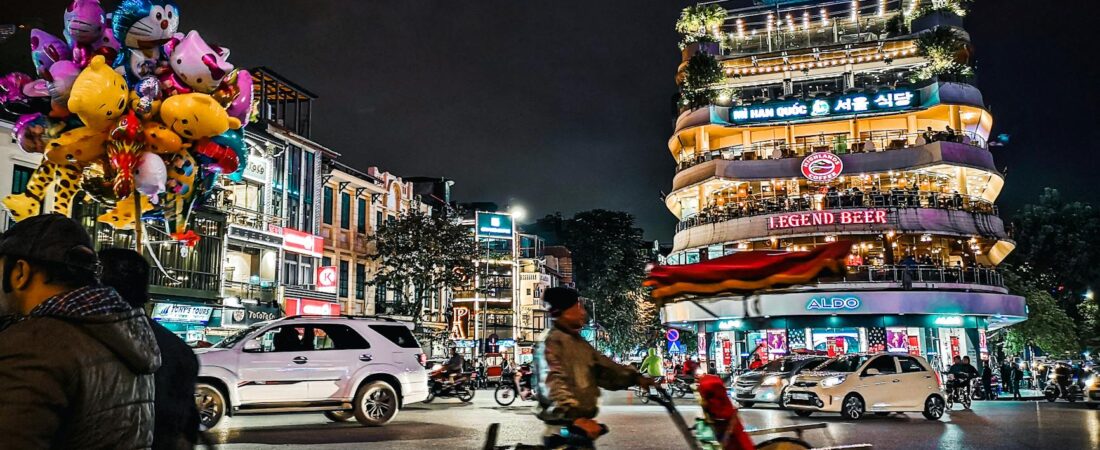
Hanoi comes alive after dark in ways that daytime tourism rarely captures. The city’s nightlife scene has shifted dramatically over the last decade, moving beyond basic beer halls into a mix of rooftop bars, live music venues, and clubs that actually know what they’re doing. For Indian travellers used to the late-night energy of Delhi or Mumbai, Hanoi nightlife offers something different. The drinks are cheaper. The crowds are friendlier. The setup feels less about status and more about actually having a good time. What makes Hanoi stand out as a nightlife destination isn’t flashy clubs or celebrity sightings. It’s the sheer density of options within walking distance and the fact that local people mix freely with tourists in most spaces. You won’t feel like an outsider here. Whether you’re after quiet cocktails with a view, sweaty dance floors, or just a street-side beer with the city humming around you, Hanoi has genuine options that don’t feel manufactured or touristy. Here are the seven best spots to spend your evening properly in Vietnam’s capital.
1. Rooftop Bars for City Views and Strong Drinks Rooftop bars define Hanoi’s modern nightlife in a way that matters. These aren’t trendy additions. They’re integral to how the city wants you to see it after sunset. The view changes everything. When you’re thirty storeys up watching the Old Quarter glow beneath you, a standard cocktail becomes something worth ordering. Skyline Hanoi sits on the 21st floor of a hotel and pulls in a steady crowd of expats, local professionals, and tourists. The bartenders here know their craft. A mojito isn’t just mint and rum. A margarita has actual lime and decent tequila. The prices run higher than street-level bars, but you’re paying for technique and ingredients that actually matter. Sunset hours draw the biggest crowds, so arrive early if you want a decent table near the edge. Hanoi Social Club works differently. It’s smaller, less corporate, more about conversation than showing off. The staff remembers regulars. The cocktails have names that actually mean something. You’ll find yourself talking to the person next to you more naturally here than in bigger rooftop spaces. It sits in the Tay Ho district, so it’s not Old Quarter convenience, but that distance is precisely why it feels less like a tourist trap. Beer Belly operates on the principle that you don’t need expensive cocktails to have an excellent view. Their beers are cold. Their prices are honest. Vietnamese craft breweries have gotten genuinely good, and this place stocks them properly. If you’re staying for multiple nights, rooftop bars offer the kind of transition space that works between heavy sightseeing and late-night club energy. ## 2. Old Quarter Beer Culture and Street-Level Drinking The Old Quarter’s beer scene runs on entirely different logic than rooftop bars. Here, you’re not paying for views or mixology. You’re paying for proximity to locals and the specific magic of drinking on the street itself. This is where vietnam nightlife hanoi actually comes from, not from hotels or trendy new venues. Street-level beer bia hơi culture means you sit on tiny plastic stools designed for people much shorter than most Indians. The locals don’t mind this. Neither should you. Beer arrives ice-cold. The price per glass hovers around 10,000 to 15,000 VND. That’s absurdly cheap. Side dishes like boiled eggs, peanuts, and grilled squid cost almost nothing and taste better than they should. Bia Hơi Corner sits where three streets meet near Hang Manh. It’s not fancy. The plastic stools are genuinely uncomfortable. The bathroom situation is best not examined closely. But the energy here is authentic in a way that feels increasingly rare in Southeast Asia. Older Vietnamese men drink here before work. Younger tourists discover it by accident and end up staying for hours. Backpackers swap stories. Local workers come for their evening ritual. What makes this work is the complete absence of pretence. No one’s trying to impress anyone. The beer is the same quality whether you order one glass or ten. The food is the same. The company is what changes. You might find yourself drinking with a retired Hanoi resident who speaks English and wants to know everything about India. You might meet other travellers heading in completely different directions. That randomness matters more than the beer itself. If street-level stools aren’t your style, upgrade slightly to places like Tây Hồ Beer Club. The setup is still casual, but the stools are taller and slightly less medieval. The beer is still cheap. The vibe is still local. You lose some authenticity and gain some comfort. That’s a decent trade if your knees aren’t happy. ## 3. Live Music Venues for Evening Entertainment Live music venues in Hanoi work on a completely different schedule than beer bars. Most don’t start filling up until 9 or 10 PM. The crowd skews older. The music ranges from terrible to genuinely skilled. The drink markup is higher, but you’re paying for entertainment and space to sit comfortably. Minh’s Club sits near Hoan Kiem Lake. Vietnamese jazz musicians play nightly. The sound quality varies depending on which musicians show up, but on good nights, it’s genuinely listenable. The bartenders pour proper drinks. The seating is actual chairs, not plastic stools. A beer costs more here than on the street, but the full evening experience feels more coherent. You arrive, order a drink, settle in, and let three hours pass without thinking about logistics. Apocalypse Now claims to be a “happening bar,” which is marketing speak for a place that hosts various events and attracts a younger, more international crowd. Backpackers end up here because other backpackers recommend it. The drinks are stronger than necessary. The music leans toward cover bands and pop hits. It’s loud enough that conversation requires effort. If you want to dance and not think too hard, this works. If you want a quiet evening with good music, avoid it. For something more refined, Blue Butterfly hosts live performances in a setting that actually respects the musicians. The crowd is smaller. The prices reflect that. A single beer might cost the same as five on the street, but the experience reads differently. You’re not just there to drink. You’re there to hear something worth hearing. ## 4. Late-Night Dance Clubs and Electronic Music Dance clubs in Hanoi operate on a different timeline than Western cities. Things don’t actually get going until 11 PM or midnight. Most clubs close by 3 or 4 AM. The crowd is younger, mostly local with a sprinkling of expats and tourists. The music is overwhelmingly electronic, K-pop, and Top 40 dance remixes. Pusion Club sits in a basement setting that somehow feels less depressing than that sounds. The sound system is proper. The DJ knows what they’re doing. The dance floor gets packed on weekends, which is exactly when you don’t want to go if you value personal space. Thursday or Friday nights offer better crowd ratios. Drinks cost significantly more than street bars, but everyone expects that. The door policy at clubs worth visiting tends toward relaxed. Dress codes exist in theory more than practice. Shorts might get you turned away at the more upscale places, but that information shifts depending on the bouncer and their mood. Arriving before 11 PM helps. Arriving after 1 AM might mean a line and a wait that isn’t worth your time. What strikes people coming from Indian nightlife is how mixed the clubs actually are. Office workers, students, expats, tourists all share the same space without obvious tension. The music preferences lean toward what plays in Bangkok and Ho Chi Minh City. If you’re hoping for underground electronic music or innovative production, you’ll be disappointed. If you want to dance to tracks you recognise with a friendly crowd, this works fine. ## 5. Karaoke Lounges for Groups and Casual Fun Karaoke in Vietnam functions completely differently than karaoke in India or the West. It’s not about performance or being drunk enough to not care. It’s a structured activity where you rent a room, order food and drinks, and sing in private with your group. This changes everything about the experience. Most karaoke places operate from 4 PM until 2 or 3 AM. They’re organized by room sizes, pricing tiers, and song catalogue. A basic room for four people costs about 100,000 to 150,000 VND per hour. Add food and drinks and you’re at maybe 300,000 to 400,000 VND total for an evening. The song selection includes English, Vietnamese, K-pop, and Bollywood hits if you know where to ask. Hanoi’s karaoke lounges cluster in the city centre around the Old Quarter and near Tay Ho. Most are indistinguishable from the outside. Your hotel can call one and make a reservation. Once you arrive, staff show you to a room, bring a laminated song book or tablet with search function, and take your drink order. The actual singing happens in complete privacy, which removes the social anxiety that makes karaoke painful for some people. What makes this a worthwhile night out is the structural permission it gives groups. You’re not forcing yourself to sing in front of strangers. You’re not sitting at a bar feeling obligated to have clever conversations. You’re just in a room with your friends singing badly and laughing about it. The time passes faster than you’d expect. Before you notice, three hours have gone by. ## 6. Night Markets and Street Food Experiences Night markets blur the line between dinner and nightlife in ways that matter for evening planning. Places like Dong Xuan Market stay open late, particularly on weekends. The atmosphere shifts after 8 PM. Fewer tourists browse. More locals shop and eat. The energy changes from daytime commerce to genuine community space. The food stalls operate at full capacity during evening hours. Pho vendors set up at 9 PM and serve until 2 AM. Banh mi carts appear. Grilled meat vendors fire up. The prices run lower than restaurants. The quality is often higher. A bowl of pho costs 25,000 to 40,000 VND. That’s a complete meal for less than a single beer in most tourist bars. Night markets function as nightlife without requiring you to identify as a nightlife person. You can show up in regular clothes, eat actual food, watch street cooking, observe how local people spend their evenings, and call it a night by 11 PM if you want. Or you can stay until 2 AM, trying different stalls, talking to vendors, and gradually understanding the city’s food culture. Both approaches work equally well. What you gain here that nightclubs don’t offer is engagement with daily life. You’re not in a space designed primarily for tourists. You’re in a space that serves locals first and doesn’t mind if tourists show up. The transactions are straightforward. The food speaks for itself. Your money goes directly to the person preparing your meal instead of a corporate entity multiple layers up. ## 7. Hotel Bars and Lounge Spaces Hotel bars get dismissed by travellers chasing authenticity. That dismissal misses something important. High-end hotel bars in Hanoi maintain standards that smaller bars sometimes skip. The ice is proper. The glassware is clean. The bartenders are trained. The crowd is mixed enough that you don’t feel out of place whether you’re alone or with a group. Sofitel Legend Metropole’s hotel bar sits in a colonial building dating back over a century. The history weighs on the space in a good way. The cocktails are excellent. The prices reflect all of that. But the investment gets repaid through an evening that feels properly considered. You’re not just drinking. You’re experiencing something designed carefully over many years. Smaller hotel bars, particularly in mid-range hotels outside the Old Quarter, offer better value and less pretence. A cocktail costs significantly less. The bartender still knows their job. The seating is comfortable. The air-conditioning actually works. These spaces serve as solid alternatives when you want something between street-level beer and luxury