
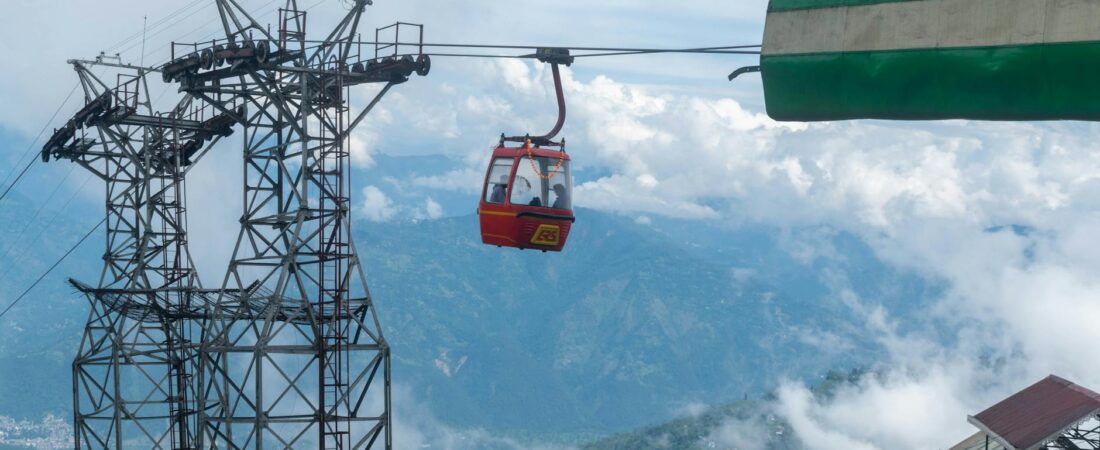
Darjeeling offers some of the finest views in all of India, and anyone who says otherwise hasn’t stood at the right vantage point. The hills here don’t just sit in the background. They demand your attention, especially when the weather cooperates and Kanchenjunga reveals itself across the valley. What makes a Darjeeling viewpoint truly exceptional isn’t just the altitude or the distance you can see. It’s the combination of tea gardens rolling downhill, the morning mist that rolls in like clockwork, and the way the light changes everything within minutes.
The town itself sits at about 2,134 metres, so you’re already elevated before you even hunt for the good spots. Most people come here for the sunrise views, which is fair enough, but the real magic happens at different times depending on where you plant yourself. Some spots shine at dawn, others come alive in the afternoon when the clouds part, and a few offer their best show during golden hour.
Tiger Hill. The Dawn Pilgrimage.
Tiger Hill draws crowds before sunrise because it genuinely delivers what every guidebook promises. You’ll need to wake up around 4 AM if you want to secure a decent spot, and yes, that’s not pleasant. The drive takes about 13 kilometres from the town centre, winding through dark roads lined with tea bushes you can’t see but can smell. Once you’re there, join the dozens of other people standing shoulder to shoulder, shivering in the cold while thermoses of chai get passed around.
What makes Tiger Hill work is straightforward. When the sun rises, Kanchenjunga catches the light first. The third-highest mountain in the world turns pink, then gold, then orange while everything else is still dark. On clear days, you can also see Everest from here, though honestly the mountain is so distant that you need someone to point it out. The view stretches across Nepal into Tibet on your right, which creates this sense of standing at the edge of something vast.
The crowd situation is the main drawback. You’re packed in tight with tour groups, local vendors selling tea and pakora, and photographers with serious equipment trying to find angles. The experience feels less like a personal moment and more like attendance. Still, if you’re chasing that iconic Darjeeling image, this viewpoint delivers it reliably. Arrive early, stay warm, and avoid the Instagram crowds by heading there on weekday mornings rather than weekends.
Batasia Loop. The Tea Garden Perspective.
Batasia Loop sits just south of town and offers something different from the mountain-gazing crowd. This is a viewpoint specifically designed around the curves of a railway loop, where the Darjeeling Himalayan Railway snakes back on itself to gain elevation. You stand above the tracks, watching vintage steam trains (when they’re running) navigate the impossible-looking turns.
The landscape here centres on tea gardens rather than distant peaks. Rolling green terraces tumble down the hillside in every direction, stitched together with stone walls and paths. The geometric patterns of the tea plants create almost artistic layers when you look across the valley. On hazy days this view actually improves because the mist softens the endless repetition and creates depth instead of flatness.
There’s a war memorial at Batasia Loop that marks the spot as a pilgrimage site for many Indians. The quiet here contrasts sharply with Tiger Hill’s madness. Families sit on benches, kids run around the manicured gardens, and the whole atmosphere feels less like tourism and more like an actual escape. The setup includes decent walking paths, a small restaurant, and enough shade that you can spend two hours here comfortably without feeling rushed. This is where you go when you want a viewpoint that feels like your own discovery rather than a mandatory box to tick.
Singamari View Point. The Off-Beat Option.
Singamari doesn’t appear on many tourism websites, which actually works in your favour. This spot overlooks the valley from the opposite side of town, offering views towards Sikkim and the lower valleys that most visitors never see. The name comes from the Lepcha word for “orange stream,” and the area has that authentic, less-visited feeling throughout.
Getting here requires driving through residential areas and following signs that aren’t always obvious. That friction is what keeps crowds away. Once you arrive, the view opens up dramatically. Unlike Tiger Hill, which focuses on distant peaks, Singamari gives you the full landscape. Farms, small villages, and terraced hillsides stretch into the distance with Kanchenjunga visible on the clearer days but not dominating the view.
The spot works especially well in the afternoon when light hits the western slopes and creates shadows that reveal texture. Photography here feels less competitive because there aren’t thirty other people framing the exact same shot. If you’re willing to skip the most famous viewpoint and drive an extra 10 kilometres to a quieter location, Singamari rewards that decision. Know that there’s basic seating and a small tea stall, but no major infrastructure to speak of.
Tensing Rock. The Climbing Angle.
Tensing Rock sits at the edge of a steep hillside and marks the training spot where Tenzing Norgay prepared for his Everest expedition. The climb to reach it is brief but involves actual hiking, which means fewer casual tourists make the trip. You’ll start from the town’s lower areas and climb through forested paths for about 20 minutes.
The rock itself is modest in size, nothing like a dramatic peak. What matters is the position. You’re standing on an exposed outcrop with valley views on multiple sides, and the elevation gives you a sense of being perched above everything. The physical effort to get here changes how you experience the view. You’re not rushing, you’re not packed shoulder-to-shoulder, and you’re slightly breathless in that good way that makes you actually pay attention.
The Lepcha people of the area consider this site spiritually significant, and you can feel that history when you’re standing there. Prayer flags flutter in the wind, and the whole atmosphere shifts from tourism to pilgrimage. Bring water because there’s no setup at the top, and wear decent shoes because the paths get slippery after rain. This viewpoint suits people who prefer movement to standing still.
Jalapahar View Point. The Lesser-Known Summit.
Jalapahar translates to “water mountain,” and this spot offers views that compete with Tiger Hill but with a fraction of the crowds. The location sits at a slightly lower elevation than Tiger Hill, but the perspective is different enough that it reveals details the more famous spot misses. You can see the Darjeeling town laid out below like a map, with the plains stretching beyond in ways that highlight just how dramatically the hills rise from the surrounding landscape.
The path to Jalapahar involves a steep walk through forest that takes about 45 minutes from the starting point near the tea gardens. Most visitors never attempt it. The effort filters out casual hikers, leaving you with space and quiet. The clearing at the top has minimal development. There’s barely any seating, no shop, and the setup feels like you’ve stumbled into someone’s private backyard rather than a tourist attraction.
Morning light here is exceptional because the sun rises behind you, illuminating the valley below rather than just the distant mountains. This creates a different photographic opportunity than Tiger Hill. If you’re willing to skip the famous spots and handle a genuine hike, this viewpoint offers something closer to how Darjeeling looked before mass tourism arrived. The trade-off is that you need proper footwear and fitness, and you must start early enough to reach the summit before clouds roll in.
Padmaja Naidu Himalayan Zoological Park Viewpoint. The Compound View.
The zoo’s location at a high altitude means the surrounding views rival many dedicated viewpoints. While the zoo exists for animal conservation, the grounds also offer several spots where you can look across the valley without paying attention to the exhibits. The viewpoint near the eastern edge of the property gives you unobstructed sight lines across the Darjeeling valley towards Nepal.
This requires paying the zoo entrance fee, which costs a few hundred rupees and isn’t cheap for just the view. However, you get legitimate reasons to spend time there. The wildlife setup includes snow leopards, red pandas, and other animals adapted to high altitudes. The grounds themselves are pleasant for walking, with many spots where you can sit and simply absorb the landscape without the sense that you’re standing in a queue.
The advantage here is that you get both a viewpoint experience and something else to do. If you’re visiting with family or prefer a structured day rather than point-and-shoot tourism, the zoo setup handles that. The views aren’t the most dramatic available in town, but they’re solid, and the combination of reasons to visit makes the trip less purely touristy. The weather situation still matters here like everywhere else in Darjeeling. Clear mornings are rare, so plan accordingly.
Observatory Hill. The Town Perspective.
Observatory Hill sits within walking distance from the town centre, making it accessible without long drives or early morning commitments. The climb is brief but steep, taking about 15 minutes from the lower streets. The reward is a viewpoint that feels intimate in a different way than the others because it’s almost inside the town rather than looking down at it from a distance.
This spot offers views primarily of the valley to the south and east, with Kanchenjunga visible on clear days but not the main focus. What makes it distinct is the foreground. You’re looking at Darjeeling town itself, the toy train tracks, and the immediate landscape rather than distant mountains. Photography here requires a different mindset than Tiger Hill’s peak-gazing approach.
There’s a small temple on the hilltop, and the atmosphere carries that blend of religious significance and tourist interest that marks many popular spots. The infrastructure is minimal but adequate. You’ll find a few benches and occasionally someone selling tea. The best light here comes in the late afternoon when the town below catches golden hour light while the sky is still bright. This works well if you’re town-based and want a quick escape to higher elevation without organizing transportation or waking before dawn.
Planning Your Viewpoint Circuit.
The question isn’t which single viewpoint to visit but how to prioritize based on your actual schedule and interests. If you have just one day, Tiger Hill at sunrise is the default choice despite the crowds. If you have two days, add Batasia Loop or Tensing Rock depending on whether you prefer ease or hiking. If you’re staying longer, skip Tiger Hill entirely and chase the quieter spots instead.
Weather matters enormously here. Darjeeling’s location in the monsoon belt means clouds roll in unpredictably. Clear mornings happen roughly four days a week during good weather seasons. Winter, from October to February, offers the most reliable views. Monsoon season brings lush greenery but obscures mountains entirely. Plan your viewpoint visits for early mornings when visibility is highest, and have backup indoor plans for when clouds win.
The viewpoint strategy that works best involves spreading visits across different times of day and weather patterns rather than cramming them into one intense session. What looks terrible at 10 AM might shine at 3 PM when clouds part. What’s invisible in the morning might be clear by afternoon. Darjeeling’s moods shift constantly, and that changeability is actually part of what makes the place compelling. The best view you’ll ever see here might come from somewhere you didn’t plan to look.