
Planning a trip to Darjeeling means one question sits at the top of your list. What’s it actually going to cost? The answer varies wildly depending on what kind of traveller you are, but here’s the honest truth: Darjeeling is far more affordable than most Indian hill stations, even for people who want decent comfort. Budget travellers can manage on remarkably little, while those chasing luxury will still pay less than they’d expect at Shimla or Manali.
The current darjeeling trip cost breaks down across five main areas: getting there, where you stay, food, sightseeing, and local transport. Each changes dramatically based on when you travel, how many days you spend, and what you actually want to do. Some people come for tea gardens and morning views. Others want hiking, local markets, and nothing fancy. These different goals matter far more than you’d think when calculating your real spend.
Let’s walk through actual numbers that make sense for Indian budgets.
Budget Breakdown for Darjeeling
The cheapest way to experience Darjeeling runs between 8,000 to 12,000 rupees per person for a four-day trip. This assumes you’re travelling by train, staying in basic but clean rooms, eating at local Bengali restaurants, and skipping expensive activities. You won’t sleep in dingy places or eat bad food. You’ll simply skip fancy cafes and high-end hotels.
Train tickets from Delhi or Kolkata cost 1,200 to 2,500 rupees depending on your class. The journey is long, sure, but it’s half the price of flying. Many budget travellers prefer trains anyway because the slow route up into the hills is part of the experience. Toy train rides within Darjeeling itself cost about 300 rupees for a round trip. Local buses run for 10 to 30 rupees per journey, making getting around nearly free.
Budget hotels cluster around the Mall and near the railway station. You’ll pay 800 to 1,500 rupees per night for a clean double room with a bathroom. Hot water comes from geysers, not always instant taps. Views might be limited, but beds are fine. The money saved here fuels everything else.
Food costs almost nothing when you eat like locals do. A plate of momos at a street stall runs 40 to 60 rupees. Tea with pakoras costs 30 rupees. A full Bengali lunch at a small restaurant sits between 150 and 250 rupees. Dinner rarely tops 300 rupees per person. The only way to break this budget is to eat at tourist-facing cafes in the commercial zones, where prices double or triple. Stick to places where locals queue, and food becomes your cheapest expense.
Sightseeing here doesn’t demand money. Tiger Hill sunrise requires only transport costs. The tea garden walks are free if you go without a guide. The Himalayan Zoological Park costs 150 rupees. Darjeeling Ropeway is 200 rupees. None of these drain your wallet. Most budget travellers spend under 500 rupees total on paid attractions across their entire stay, knowing that the landscape itself is the main event.
This budget works if you travel during shoulder seasons like March to April or September to October, when fewer tourists arrive and rooms come cheaper. Winter months demand slightly higher spending because hotel rates climb.
Mid-Range Trip Planning
Most Indian tourists land here, and for good reason. Spending 25,000 to 40,000 rupees per person for four days gets you genuine comfort without ridiculous expenditure.
Flight tickets from major Indian cities to Bagdogra run 3,000 to 6,000 rupees return when booked with some advance notice. The drive from Bagdogra to Darjeeling takes ninety minutes. Alternatively, trains from Kolkata cost similar amounts and take longer but feel more special.
Mid-range hotels cost 2,500 to 4,000 rupees per night. These places have attached bathrooms, consistent hot water, and some have small views of the town or distant mountains. Many offer tea and biscuits in the morning. Cleanliness is standard. You’ll find options near the Mall with walking access to restaurants and shops. These hotels aren’t fancy, but they’re the comfortable places where you actually want to spend your evenings.
Eating at decent restaurants becomes possible here. A good momos lunch costs 150 to 200 rupees. A nice dinner at a mid-range place, including Tibetan noodles or local meat dishes, runs 300 to 500 rupees. Coffee at nice cafes costs 100 to 150 rupees. These places have decent service and clean kitchens. You can eat well without thinking too hard about every rupee.
Paid activities become worth doing at this spending level. A guided tea garden tour costs 500 to 1,000 rupees per person. A Kanyam or Takda excursion runs 1,500 to 2,500 rupees including transport and lunch. The Himalayan Mountaineering Institute has guides for short walks. Most mid-range trips include two or three guided activities that cost between 3,000 and 5,000 rupees total.
Local transport shifts here too. Many people hire a shared jeep for a full day at 2,000 to 3,000 rupees, which works out affordable if split between four people. This beats paying separately for each journey and saves mental energy on logistics.
This is where most Indian families find balance. You’re not penny-pinching. You’re not overspending either. Food tastes good. Hotels have character. You can actually explore without constant worry about costs. Four days break down to roughly 6,000 to 10,000 rupees daily, which feels reasonable for a hill station trip.
Luxury and Premium Spending
The upper end of the darjeeling tourism cost sits between 60,000 and 1,50,000 rupees per person for four days. This covers premium hotels, restaurant dining, private guides, and day trips with dedicated transport.
Premium hotels cost 6,000 to 15,000 rupees per night. These are actual nice places with views, good service, and thoughtful design. Some have fireplaces, libraries, or gardens. The Mahakal or similar properties offer heritage charm. Rooms have quality bedding, good lighting, and reliable water systems. Staff responds quickly to requests. You’re not staying in five-star chains, but you’re in genuinely nice spaces that justify the cost.
Eating at upscale restaurants becomes worthwhile here. Lunch at a nice place costs 400 to 700 rupees per person. Dinner at Darjeeling’s better establishments runs 800 to 1,500 rupees. Some restaurants offer views of Kanchenjunga with your meal, which adds to the experience. Foreign tourists eat here too, so standards are high.
Private guides cost 1,500 to 2,500 rupees per day. These people know local history, speak English well, and can take you beyond standard tourist spots. They might show you working tea gardens where you actually interact with pickers, or take you to villages not listed in guidebooks. This transforms sightseeing from passive viewing into actual learning.
Private jeeps for day trips cost 3,500 to 5,500 rupees for eight hours. You’re not sharing with strangers. You move at your pace. You stop when something catches your eye. If you book two or three days of private transport, costs add up quickly, but the control is worth it to some people.
These higher spends make sense during peak season, when you’re rewarded with better hotel availability and clearer mountain views. The premium isn’t just about comfort. It’s about access and flexibility.
Darjeeling Sightseeing Cost Breakdown
Most people budget wrong for activities because they don’t know what costs money and what doesn’t. Tiger Hill visits cost almost nothing except transport. The sunrise is free. The view is free. You only pay for jeep hire, which ranges from 1,500 to 2,500 rupees for a group vehicle departing your hotel in the dark and returning by breakfast.
Tea garden walks are free if you wander on your own. A guide costs 500 rupees and makes a real difference in understanding what you’re seeing. They’ll show you where first flush leaves are picked, explain harvest timing, and sometimes arrange tastes at small factory shops. This is worth the money if you care about tea. If you’re just walking for scenery, skip the guide.
The Darjeeling Himalayan Railway, locally called the Toy Train, costs 300 rupees for the main mountain route, or 450 rupees if you add the loops through tunnels. The journey takes about two hours. It’s slow, sometimes crowded, and charmingly old. Go in the morning when light is better and crowds are lighter. This is money well spent if you want the experience, less important if you’re just ticking boxes.
The Himalayan Zoological Park costs 150 rupees entry. Serious animal lovers spend two hours here. Casual visitors do an hour and feel satisfied. There’s a red panda programme here that’s genuinely interesting if you care about conservation. Otherwise, it’s a competent zoo without being spectacular.
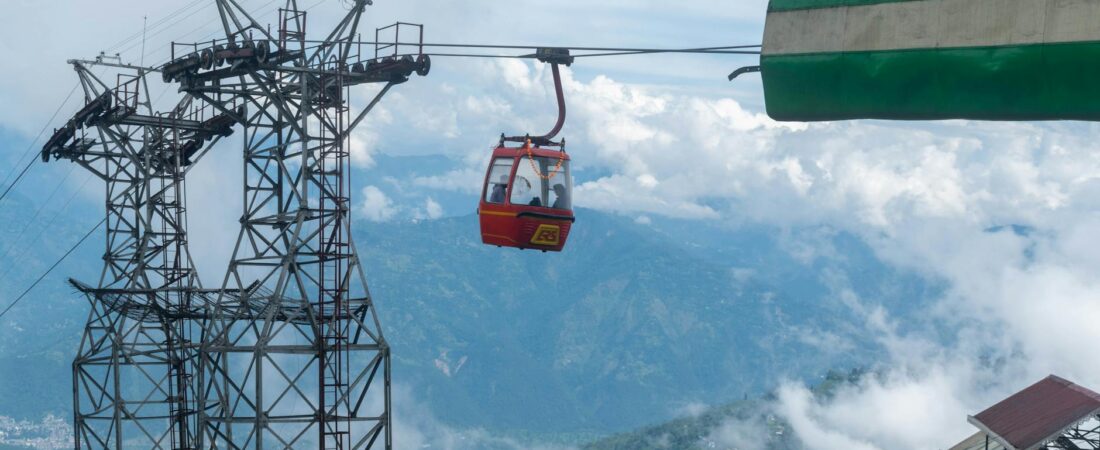
Darjeeling Ropeway costs 200 rupees return and gives you views over the town. On clear days, you can see across to neighboring valleys. On hazy days, it’s just a ropeway over buildings. Check weather before deciding. The journey is five minutes each way, so don’t expect long thrills.
Day trips to nearby towns add cost. Kanyam costs 2,500 to 3,500 rupees with shared transport and guide. Takda costs similar amounts. Kurseong makes a nice half-day trip at around 2,000 rupees. These are worthwhile if you want to see tea gardens at work and visit villages where tourists rarely go. They’re skippable if you’re pressed for time or budget.
Most travellers spend 1,500 to 3,500 rupees on sightseeing across their entire stay. Budget people do it on 500 rupees. Luxury people spend 8,000 rupees or more. Know what you actually want to see before booking. That changes your calculations dramatically.
When to Go and How It Affects Costs
Timing shifts your darjeeling trip cost by twenty to forty percent. March and April bring pleasant weather, and hotel rates stay moderate because monsoon tourists haven’t arrived yet. September and October offer clear skies and manageable crowds. These months feel like the sweet spot.
May through August sees monsoon rains and lower prices, but many mid-range and premium hotels charge less during this period. Budget travellers benefit here. The landscape turns impossibly green. Locals say the tea tastes best when picked during monsoon, though you won’t notice the difference unless you’re serious about tea. The constant rain means you’ll stay indoors more, which changes what you do.
October through February brings clear days and the famous snowy Kanchenjunga views, but hotel prices rise sharply. Demand from both Indian tourists and international visitors drives rates up by thirty to fifty percent from shoulder season. A 2,500 rupee room becomes 3,500 rupees. A 8,000 rupee hotel becomes 11,000 rupees. If you’re travelling during this season, budget accordingly.
December and January are coldest. Bring sweaters and jackets. Hotel prices peak here. If you want snow and mountain clarity, this costs the most. If you can travel in early November or late February when weather is still decent but prices drop, you’ll feel smarter about the whole thing.
Daily Budget Summary
A realistic four-day darjeeling trip cost per person breaks down cleanly. Budget travellers spend 8,000 to 12,000 rupees total. That’s 2,000 to 3,000 rupees daily. Mid-range people spend 25,000 to 40,000 rupees. That’s 6,000 to 10,000 rupees daily. Luxury travellers spend 60,000 to 1,50,000 rupees. That’s 15,000 to 37,500 rupees daily.
Your personal total depends on how many days you stay, how many meals you buy outside your hotel, and whether you hire guides or private transport. A couple spending five days mid-range should budget 50,000 to 80,000 rupees combined. A family of four on the same level should budget 1,00,000 to 1,60,000 rupees.
The best approach is picking your hotel first. Everything else flows from there. A 2,000 rupee room signals budget travel. A 4,000 rupee room signals mid-range. An 8,000 rupee room signals premium. Once you know your hotel cost, multiply by four to five days, add 2,000 rupees daily for meals, another 1,500 rupees for transport, and 500 to 1,000 rupees for sightseeing. That’s your realistic number. Don’t try to force spending below it. You’ll just feel poor the entire time.