
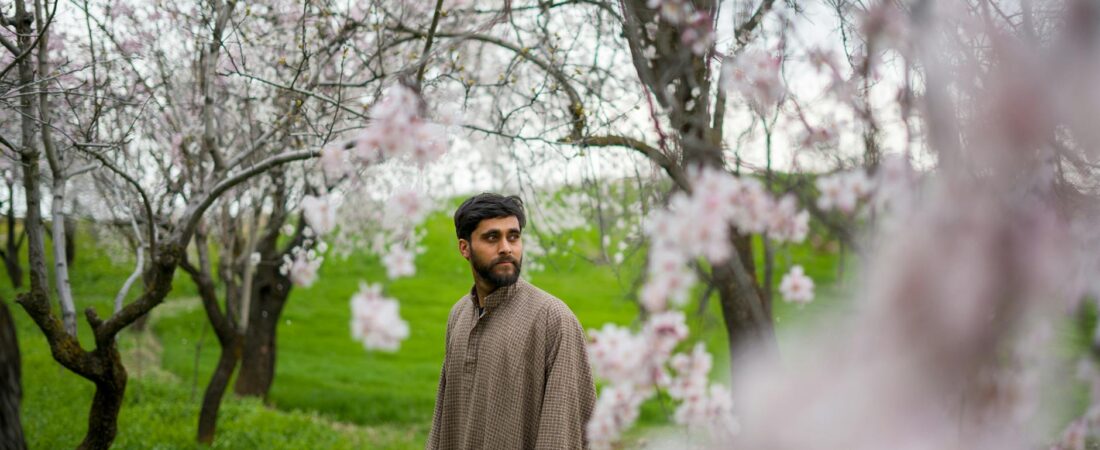
If you’re planning a spring trip to Kashmir, cherry blossoms should be your main reason to go. The season is short, the crowds are manageable, and the sight of those pink flowers against the Himalayan backdrop is genuinely worth the journey from anywhere in India. Most Indian travellers miss this window entirely because they either don’t know when it happens or assume it’s too difficult to plan around. That’s a mistake.
The cherry blossom season in Kashmir isn’t some whispered secret. It’s a real, predictable event that transforms the valley for roughly three weeks each spring. The timing matters more than you’d think, and getting it wrong means showing up to bare branches or already-fallen petals. This guide covers exactly where to go, when to be there, and what to expect when you arrive.
When Cherry Blossom Season Actually Happens in Kashmir
The spring flowers season starts earlier than most people think. Late March is when the first blooms appear in lower-altitude areas around Srinagar. By early April, the peak is in full swing across the valley. Mid-April is still good, though some flowers begin dropping by then. If you’re thinking of visiting in late April or May, you’ve already missed most of the show.
The exact dates shift slightly year to year depending on winter weather and temperature patterns. A harsh winter pushes everything back by a week or so. A mild winter can trigger blooms as early as the third week of March. Currently, planning for the first two weeks of April is your safest bet for catching the cherry blossom time in Kashmir at its absolute best.
Weather during this period is genuinely pleasant. Daytime temperatures hover around 15 to 20 degrees Celsius. Mornings are cool, afternoons are warm, and there’s still a chance of rain. Pack layers. Pack a light rain jacket. The wind in early spring is sharp enough that you’ll notice it, especially at higher elevations.
One specific detail that matters: blooms open first in Srinagar and lower valleys, then move up toward higher areas over two to three weeks. This actually gives you flexibility. If you miss the peak in the city, you can chase it upward into the foothills. That’s a good sign for planning.
Aharbal Valley. The Quietest Cherry Blossom Spot in Kashmir
Aharbal sits south of Srinagar, away from the main tourist routes. The valley is narrow, forested, and the cherry trees here bloom in thicker clusters than anywhere else in the region. You see pink on both sides of the valley floor, sometimes overhead, creating a tunnel effect that feels genuinely immersive.
Getting there requires about two hours of driving from Srinagar. The road is decent but winding. Once you arrive, there’s almost nobody around. This is the main reason to come here instead of the more famous spots. You’ll see Indian school groups on weekends, but on weekdays the place is genuinely quiet.
The cherry blossom in Kashmir reaches its full visual impact here because the trees aren’t isolated. They’re dense enough that you can walk under them, sit beneath them, and actually feel surrounded by the season. Photographs work better here than at other locations because the background trees and rock faces create layering and depth.
- Elevation around 2000 metres, so it’s accessible without technical gear
- Best light for photographs happens between 10 AM and 2 PM
- Bring good walking shoes because the paths are uneven
- There’s a small waterfall deeper in the valley if flowers aren’t your only interest
The valley floor has a small stream. The sound of water mixing with the slight wind through flowers creates a specific kind of quiet that cities don’t have. Most people spend two to three hours here, which is about right. You can stay longer, but there’s only so much walking to do in a narrow valley. Pack snacks and water because there are no shops once you enter the valley.
Tulip Garden. The Managed Spectacle
Indira Gandhi Memorial Tulip Garden sits on the outskirts of Srinagar. It’s formal, landscaped, and designed specifically for display. Over 1.5 million tulips bloom here in spring, along with cherry trees scattered throughout the grounds. The garden opens only during spring, usually in late March through April.
This is where you’ll see the most flowers in one place. The garden is terraced across a hillside, so you get multiple perspectives and light angles throughout a single visit. The main reason to come here is volume. If you want to see a massive display of spring flowers in Kashmir, this is it.
The entry fee is modest, and you pay once for full-day access. Crowds peak on weekends and during school holidays. Weekday mornings before 10 AM are noticeably less crowded. The best strategy is arriving early and leaving by early afternoon when tour groups tend to cluster.
The garden isn’t a wilderness experience. It’s organized, manicured, and clearly designed for tourists. But that doesn’t make it bad. It makes it different. The cherry blossom season here includes rows of tulips, and that combination of colours is genuinely striking. Many Indian travellers prefer this because there’s infrastructure, there are bathrooms, and you don’t need to do serious hiking.
- Parking is available and costs almost nothing
- Restaurants and snack stands operate inside the gardens
- The walk is mild, mostly gentle slopes with some stairs
- Best time is between 9 AM and noon for light and crowds
Bring a good camera. Photography here is genuinely rewarding because the flowers are dense and the composition works from almost any angle. The garden also has shaded seating areas if you want to simply sit and watch people walk past the flowers. That’s not a wasted trip. That’s actually what some people prefer to do.
Kunwariyan Forest. The Underrated Hike
Kunwariyan lies northeast of Srinagar near the town of Banasthali. It’s a forest area where wild cherry trees grow mixed with other spring-blooming plants. Getting there requires real walking. This isn’t a gentle garden stroll. It’s a proper forest trek through hilly terrain.
The drive to the trailhead takes about two hours. The hike itself is three to four hours one way, which means you need to start early and be comfortable with steady walking uphill. But here’s what you get for that effort. The cherry blossoms are wild and natural, not planted in rows. The forest has cedars, birches, and local trees, creating a landscape that feels untouched by tourism planning.
Where to see cherry blossom Kashmir gets interesting here because the flowers blend into a natural forest ecosystem. You’re not watching a flower display. You’re walking through a place where flowers happen to bloom. That distinction matters if you want something beyond the typical tourist experience.
The weather at this elevation is noticeably cooler than Srinagar. Bring more layers than you think necessary. The trail can be muddy depending on recent rain. Proper hiking shoes are not optional. Some sections are steep enough that you’ll feel your legs working, especially on the descent.
This location appeals to people who hike regularly and want to combine spring flowers with actual forest experience. It’s not a day trip for casual tourists. It’s a proper outing that demands some physical fitness and planning. But the payoff is worth it if that’s your style. You’ll see things that most Kashmir visitors never see.
- Start on the early side. Aim for 6 AM departure from Srinagar
- Pack lunch and water for the full day
- Guides are available and honestly useful for route-finding
- The peak bloom here typically lags the city by one week
The return walk is harder than the ascent because your legs are tired. Many people underestimate this and get stuck finishing in low light. Know this first. Plan accordingly.
What to Pack and Practical Details for Spring Travel
The weather in Kashmir during cherry blossom season is changeable. Sunny mornings turn cloudy by afternoon. Rain passes through quickly. Wind picks up without warning. Your packing list needs flexibility more than it needs weight.
Layers work better than heavy jackets. A good base layer, a fleece or sweater, and a windproof shell cover almost every situation you’ll encounter. Sturdy shoes matter because even the Tulip Garden has uneven ground, and Aharbal and Kunwariyan require real hiking gear. Sunscreen is often forgotten because spring feels cool, but the sun at this altitude burns fast.
The one thing most travellers get wrong is underestimating the cold in the morning. You’ll start your day at 6 or 7 AM when it’s genuinely cold, then strip layers by noon. Bring more than you think necessary. Hypothermia isn’t a concern, but shivering through sunrise isn’t pleasant either.
Getting Around and Staying in Srinagar
You’ll need a car to visit these spots. Taxis exist, but hiring a full vehicle for two to four days gives you flexibility on timing and route. Budget roughly 1500 to 2500 rupees per day for a driver and car. That includes fuel.
Srinagar has hotels ranging from basic to upscale. The area around Lal Chowk and the Boulevard has options at every price point. Booking a week in advance is smart because April is peak season. Houseboats exist and are worth trying if you want something distinctly Kashmiri, though they’re pricier and honestly not necessary for a flowers trip.
Food is good and inexpensive. Wazwan is the local meat-based cuisine and worth trying. Vegetarian options are easy to find. Tea is constant and something you should embrace. Most hotels arrange meals at competitive rates if you ask during booking.
Final Timing Recommendation
Plan your cherry blossom in Kashmir trip for the first two weeks of April. Book hotels and car a month in advance. Arrive in Srinagar with time for day trips, not just passing through. Spend one day in the Tulip Garden, one day in Aharbal, and save a third day for either Kunwariyan or simply exploring the city itself. That’s a proper trip without rushing.
The crowds during this season are real but manageable compared to peak summer. The weather is good. The flowers are reliable. Everything lines up. The only thing standing between you and this experience is actually booking the trip.