
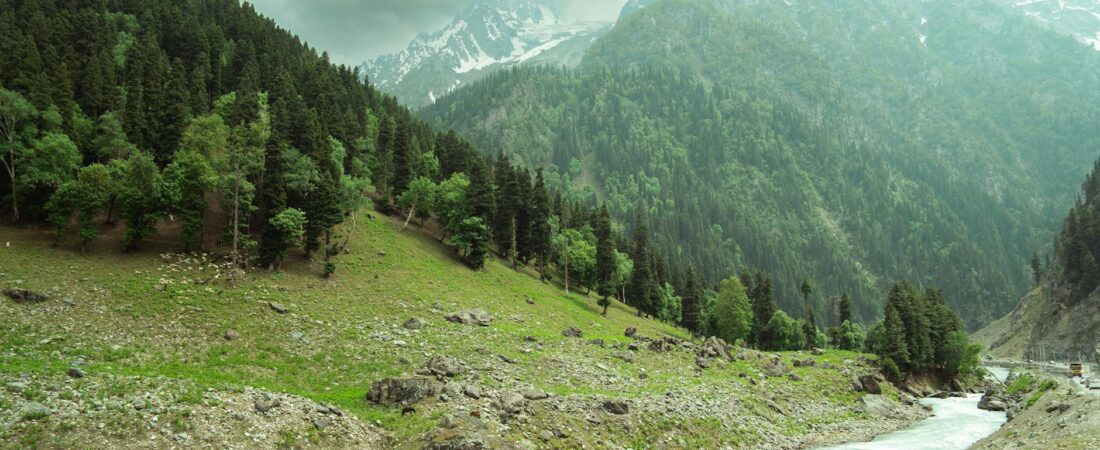
Kashmir sits at the edge of the Indian subcontinent, and its trekking routes are nothing like what most Indian trekkers expect. The mountains here aren’t just steep. They’re dramatic, moody, and they change personality depending on which route you choose. A kashmir trek isn’t a simple checkbox activity. It’s a calculated decision that demands knowing what you’re walking into before you lace up your boots.
The region gets serious attention from experienced trekkers, but beginners assume all Kashmir routes are equally punishing. They’re not. Some trails let you ease into high altitude. Others will test your mental strength as much as your legs. This guide ranks eight major Kashmir treks by difficulty, with the real details about what separates the manageable from the genuinely brutal.
Pahalgam to Aru Trek. Start Here.
This is the obvious entry point for anyone new to trekking in Kashmir. The route follows the Lidder River valley, climbing gradually through pine forests and alpine meadows. The total distance spreads across about 15 kilometers over two to three days. Weather stays cooperative longer into the season here compared to higher-altitude routes.
The trail itself doesn’t demand technical climbing skills. Most of the elevation gain happens steadily rather than in sharp bursts. You’re walking through a valley that opens gradually, which means your body has time to adjust. The main challenge is simply putting in the hours each day without overextending yourself on day one.
Accommodation options range from basic guesthouses to small hotels in both Pahalgam and Aru. This makes it simple to turn back early if something feels off. Water sources are reliable along the entire route. Know this first. Food availability in towns means you don’t need to carry excessive supplies.
Betaab Valley Trek. Easy with Views
Betaab Valley earns its reputation as a favorite among families and casual day trekkers. The valley sits about 12 kilometers from Pahalgam, accessible as a long day hike or a two-day option if you want to camp overnight. Elevation gain is modest, usually around 600 meters total.
The valley itself opens into a wide bowl surrounded by steep slopes. Snow lingers here longer than in lower regions, which extends the trekking season into early summer. The real draw isn’t difficulty. It’s the feeling of being enclosed by mountains while barely working for it. Pine forests give way to open meadows as you ascend. The creek running through the valley provides constant company and fresh water.
Most people complete this trek without proper acclimatization and feel fine. That’s because the altitude gain happens at a reasonable pace. If you’re building experience or traveling with less-experienced family members, this route makes sense. The setup around Pahalgam means you’re never truly far from help or supplies.
Aharbal to Satlaj Trek. Where Things Tighten
Now the difficulty shifts. This trek connects two valley systems, passing through higher altitude gradually. The route covers about 20 kilometers over three days and introduces you to proper altitude management. Starting elevation is lower than Pahalgam, but you’ll reach similar altitudes by day two.
The landscape changes noticeably between Aharbal and the high pass. You move from dense forests into sparser vegetation, then into open alpine terrain. The meadows here stay green well into the season due to snow melt. Streams cross the trail frequently, making water crossings a practical concern depending on the season and rainfall.
This route separates casual walkers from people willing to put effort into their trek. You’re carrying your own weight for longer distances. Navigation becomes less obvious than on heavily trafficked routes. Guides aren’t mandatory but become genuinely useful here. Local knowledge about water sources and camping spots matters. Most trekkers camp rather than stay in structured accommodation, which changes the dynamics of your trip significantly.
Kolahoi Base Camp Trek. High Altitude Introduced
Kolahoi sits at around 5,400 meters, making it one of Kashmir’s major peaks. The trek to base camp takes you into true alpine terrain without requiring mountaineering skills. Most people spend four days reaching base camp from the trailhead near Sespnag. Daily distances aren’t extreme, but altitude starts working against you.
The valley opens gradually, leading through meadows that transition to rocky terrain. Above 3,500 meters, vegetation becomes sparse. Above 4,000 meters, you’re often walking on loose rock and scree. The base camp itself sits in a bowl surrounded by glaciated ridges. Morning light on the snow creates a different Kashmir than the green valleys below.
Acclimatization becomes essential here rather than optional. Rushing creates genuine headaches and nausea that doesn’t resolve quickly. Many trekkers underestimate how much the thin air affects their pace. Your body needs days to adjust to 4,000 meters. Plan accordingly. This trek attracts experienced hill walkers who’ve done serious trekking elsewhere. Guides with high-altitude experience matter here more than on lower routes.
Tarsar and Marsar Trek. Technical but Beautiful
Two alpine lakes sit at the heart of this trek, making it wildly popular during the short season. The route typically takes four to five days from Sespnag, covering about 30 kilometers with significant daily elevation changes. The lakes themselves sit above 3,700 meters, and reaching them demands navigating steep meadows and rocky slopes.
This trek introduces route-finding challenges absent from lower routes. Multiple paths split off from the main trail. Wrong turns cost hours. Local shepherds use these valleys seasonally, and their trails don’t always match official routes. Several stream crossings require care, especially in early season when snow melt makes water levels unpredictable.
Weather changes rapidly at this altitude. Clear mornings turn to afternoon storms with regularity. Your sleeping bag and shelter genuinely matter because conditions test them regularly. Camping is required, which demands competence with basic camp setup in changeable weather. Food preparation at altitude takes longer and demands more fuel. This trek filters out people uncomfortable with extended high-altitude camping. That’s intentional. Know what you’re signing up for.
Sentinal Peak Trek. Serious Altitude, Real Commitment
Sentinal Peak reaches nearly 4,300 meters and represents a jump in seriousness. The trek typically launches from Aharbal and takes five to six days to summit and return. Daily distances aren’t extreme, but the altitude itself becomes the main obstacle. Most of the route stays above 3,500 meters once you leave the lower valleys.
The landscape here is stark and lunar. Trees disappear completely above certain elevations. You’re walking through open grassland that transitions to scree and loose rock. The peak itself offers views across Kashmir that stretch for hundreds of kilometers on clear days. But clear days are the exception rather than the rule at this altitude.
Altitude sickness becomes a real possibility, not just a worry. Headaches that don’t respond to ibuprofen, nausea that disrupts sleep, and shortness of breath doing simple tasks are common. Descent often feels worse than ascent because your body is depleted. This trek requires guides with altitude experience and ability to recognize early signs of serious sickness. Your decision to turn back or push forward needs to be informed by someone with real expertise, not by your own hope that you’ll feel better tomorrow.
Harmukh Trek. Into Serious Territory
Harmukh sits at 5,143 meters and represents the kind of trek that separates real mountain experience from casual hiking. The approach takes six to seven days from the Srinagar side. Once you’re above 4,000 meters, you’re committed. Weather determines whether you summit or turn around. Altitude determines whether you feel sick or strong.
The trail climbs consistently through multiple ecosystems. You move from populated valleys into shepherding country, then into pure alpine terrain. Water becomes scarcer as you climb. Camping spots have limited options due to the terrain. The final day involves climbing steep scree to reach the summit. Loose rock means any slip has real consequences. One misstep sends you tumbling downslope.
Guides are mandatory here, though some operators skip this requirement. Don’t accept that arrangement. You need someone who knows when conditions are too dangerous to proceed. Bad weather at altitude kills people. That’s not hyperbole. It happens regularly. Acclimatization requires deliberate scheduling, not hope. Your fitness level helps, but altitude ignores fitness. Everyone suffers equally at 5,000 meters. Humility matters more than strength.
Kashmir Great Lakes Trek. The Hardest Route
This trek is ranked last because it sits at the extreme end of difficulty. The route connects multiple valleys over eight to ten days, hitting altitudes above 4,000 meters repeatedly. Total distance exceeds 50 kilometers. Daily climbing alternates between moderate and steep. You never fully recover from one day before the next begins.
The lakes themselves are stunning. Vishansar, Krishansar, Gadsar, and several others sit like jewels in high-altitude basins. Reaching them requires navigating exposed passes, steep meadows, and rock scrambles. Loose rock is constant. Weather changes are frequent and sudden. Afternoon storms happen almost daily during the season. Your tent needs to handle wind and rain together.
This trek demands previous experience with multi-day high-altitude camping. You’ll camp above 3,500 meters every night. Food preparation matters because your body burns calories aggressively. Sleep suffers because altitude disrupts rest. Mental fatigue compounds physical fatigue. By day six, people often question why they came. By day nine, finishing becomes the only goal.
The Kashmir Great Lakes Trek filters harshly. It’s not the hardest trek in the world, but it’s genuinely difficult. It requires fitness, altitude experience, proper equipment, and mental toughness. Most casual trekkers shouldn’t attempt it. That’s blunt advice, but it’s correct. Start with easier routes. Build your experience. Return to this one later if you want to test yourself properly.
Kashmir trekking works best when you match your route to your actual experience level, not your imagined level. Easy treks teach you about yourself in good conditions. Hard treks teach you about yourself when things hurt. Start in the valleys. Move toward the passes. Let the mountains teach you what you’re capable of handling.