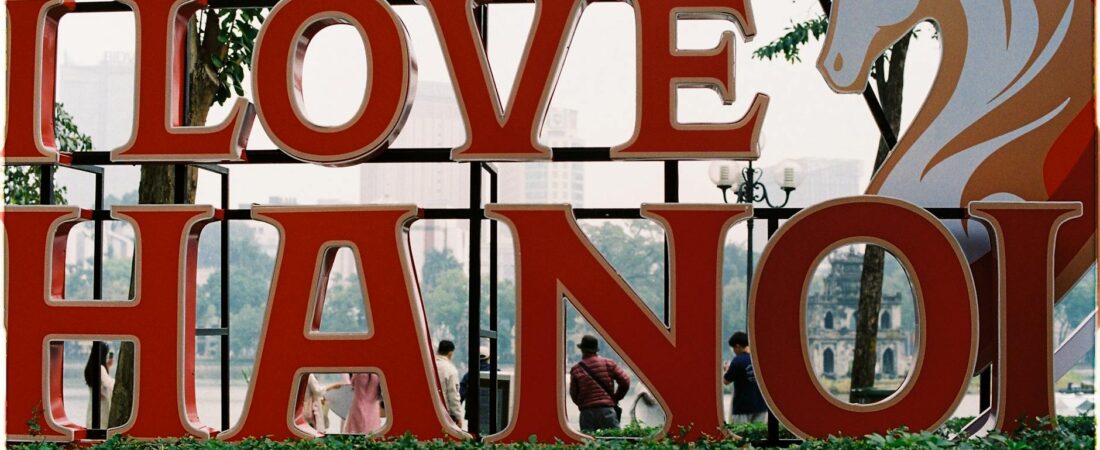
Hanoi rewards people who skip the guidebook and actually explore. The city moves to its own rhythm, full of narrow alleys, street food vendors who’ve run the same stall for decades, and temples hidden behind shop facades. For Indian travellers, there’s something familiar here too. The chaos, the honking, the way life happens on the streets rather than behind closed doors. It makes the city feel less foreign and more like coming home to a place you’ve never been. The best things to do in hanoi vietnam depend entirely on what draws you in. Some days you’ll want history and museums. Other days, you’ll just want to sit on a plastic stool eating pho at 6 AM while motorbikes stream past. Both matter equally. This guide covers 20 things that actually stick with you, not the tourist checklist version of Hanoi. Start here, then wander off the path when something catches your eye.
Walk Through the Old Quarter on Foot The Old Quarter is where Hanoi’s chaos feels most alive. Thirty-six streets once specialised in specific goods. Hang Gai sold silk. Hang Bac traded silver. Today they sell everything, but the narrow lanes and shop-house architecture tell that history if you pay attention. The streets are packed with motorbikes, street vendors, and people moving with purpose. It’s overwhelming at first. That’s exactly the point. Start early, around 7 AM, and just walk. Don’t plan a route. Take left turns randomly. Stop when food smells good. The setup here is chaotic by Indian city standards but nothing you haven’t seen before. What makes it special is the detail. Watch how shopkeepers arrange their goods with care. Notice how family businesses sit stacked vertically, with living quarters above and shop below. These aren’t tourist attractions. They’re just how people live. – Morning walks feel different from evening walks. – Wear comfortable shoes with good grip. – Keep phone and bag close but don’t look paranoid. – Stop at least three times to eat. The Old Quarter rewards random exploration more than planned sightseeing. You’ll find small temples tucked between coffee shops. You’ll stumble into family-run restaurants where no one speaks English and menus are pictures only. You’ll watch a barber give someone a shave with a cutthroat razor while traffic whizzes past. That unpredictability is what makes the Old Quarter worth returning to. ## Sunrise at Hoan Kiem Lake Hoan Kiem Lake sits in Hanoi’s heart and fills with tai chi practitioners at dawn. The water reflects the surrounding trees and sky. The Turtle Tower rises from the lake’s centre. Legend says a giant turtle gave a magical sword to a Vietnamese king to defeat invaders. Whether true or not, the story matters less than the feeling of watching tai chi at sunrise. It’s quiet. It’s intentional. It’s nothing like the rest of Hanoi. Most visitors sleep through dawn and show up mid-morning when tour groups arrive. That’s their mistake. Come at 5:30 AM instead. The light is soft. The air is cool. Locals move through routines they’ve done for years. Nobody cares that you’re there. You can walk the full lake circuit in 45 minutes, or sit on a bench and watch fishermen cast nets. The difference between a tourist visit and an actual experience happens right here at this time. The lake is free to walk around, and the surroundings feel safe even in pre-dawn darkness. There’s a small entrance fee if you want to climb the Turtle Tower itself, but the views from lakeside are better anyway. Most people come at the wrong time of day. ## Visit the Temple of Literature The Temple of Literature is Hanoi’s oldest university, founded in 1070. It’s not a religious temple, though it has temple-like qualities. The compound spreads across several courtyards with stone pathways, ancient trees, and low wooden buildings with curved roofs. Students used to prepare for royal exams here. The carved turtle stones mark important scholars. The whole place breathes age and purpose without feeling like a museum. What you’ll notice immediately is the quiet. Hanoi is loud. This space is not. You can hear birds. You can hear your own footsteps on stone. There’s room to think here, which is rare in a city of 8 million people constantly making noise. Walk through each courtyard slowly. Read the stone inscriptions if you can. Sit on the steps outside the main hall and watch tour groups move through like they’re in a rush to finish a checklist. The Temple of Literature is technically open to tourists, but it doesn’t feel touristy. Maybe because the setup is so peaceful that even crowds can’t destroy it. Entry costs are minimal. Guided tours are available but unnecessary. The best visit is the solo one where you spend two hours sitting in different courtyards and just absorbing the quietness. That’s what makes it work. ## Eat Street Food at Night Markets Street food happens everywhere in Hanoi, but the night markets concentrate it. Hang Manh market fills with food stalls around 6 PM. Old Quarter streets become outdoor kitchens. The smell alone tells you where to go. Grilled meat. Boiling broth. Fried dough. Fresh herbs. It’s sensory overload in the best way. For Indian travellers, this is familiar territory. The setup is exactly like Indian street food scenes. Vendors cook in front of you. You point at what looks good. Payment is cash and cheap. The difference is you don’t recognize anything. You can’t read the names. You’ll eat things you can’t identify. That’s the real adventure here. Ask vendors for recommendations. Eat what locals are eating, not what looks safest. – Banh mi sandwiches are quick and filling. – Grilled squid and meat on sticks are excellent. – Sticky rice cakes satisfy sweet cravings. – Egg coffee is sweet but worth trying once. The secret about Hanoi’s top things to do is that eating is half of them. Meals here aren’t fuel. They’re events. Sit on a plastic stool. Watch the street. Talk to people next to you. That’s more valuable than any museum. Hanoi food stalls stay open till late, sometimes past midnight, so come hungry and bring cash only. ## Explore Hoa Lo Prison and Museum Hoa Lo Prison, built by the French in 1896, held Vietnamese revolutionaries and later American pilots during the war. Today it’s a museum that tells both versions of the story, though with a lean toward Vietnamese perspective. The cells are intact. The torture implements are on display. The historical plaques explain what happened in each room. It’s heavy. It matters. Indian visitors often find this museum more honest than sanitised Western versions of historical atrocities. The museum doesn’t hide what happened here. It shows it. The cramped cells where hundreds were held still feel suffocating. The guillotine sits in a courtyard. You can see names carved into walls by prisoners. This isn’t entertainment. This is history you can touch. The museum takes about two hours to work through properly. Audio guides exist but often malfunction. English signage is decent but sometimes sparse. Go when it’s not crowded, which means weekday mornings. Bring water. The setup inside can feel warm and claustrophobic. Photography is allowed in most areas, though some rooms restrict it. This is one of those places that changes how you think about the war, regardless of which side of it your education emphasized. ## Take a Motorbike Tour Through Hanoi Riding on the back of a motorbike through Hanoi traffic is either your best or worst idea. Most Indian travellers pick it as their best. The tours typically last 2-3 hours and take you through different neighborhoods, stopping at markets, temples, or local food spots. You feel the city’s rhythm at motorbike speed. The air hits you. The sounds are immediate. It’s nothing like sitting in a car or bus. Find a tour operator with real reviews, not just high ratings. Experienced drivers know which alleys are navigable and which are one-way traps. Bad drivers will take you through chaos. Good drivers will make chaos feel normal. Wear a helmet even if it feels awkward. The roads are genuinely unpredictable. People turn without looking. Motorbikes stop suddenly. It’s managed chaos, but it’s still chaos. Tours typically cost about 300,000 to 500,000 VND per person for a half-day. That includes a driver who knows Hanoi’s geography and can explain neighborhoods you’d never find otherwise. West Lake tours are popular. Ethnic market tours outside the city happen too. Pick based on what you want to see, not just what’s cheapest. The difference between a good tour and a bad one is the driver’s judgment, not the route. ## Discover Water Puppet Theatre Water puppetry is uniquely Vietnamese. Puppeteers stand in waist-deep water behind a screen, manipulating wooden puppets with hidden poles and strings. The shows tell stories from rice paddy life, legends, and daily scenes. Musicians play traditional instruments. The whole thing is bewildering if you’ve never seen it before. It’s also hypnotic. The Golden Dragonwater puppet theatre is the most reliable option. Shows run multiple times daily. Seating is tiered so everyone has a decent view. The puppets themselves are gorgeous. The stories make sense even without understanding Vietnamese narration. What you’ll notice is how the puppeteers are invisible but somehow present. You sense their effort. You recognize their skill. It changes how you experience the performance. Tickets cost about 100,000 VND. Arrive early to watch the puppets being tested before the show starts. Programs in English explain what you’re about to see. The shows last 45-50 minutes and never feel boring. This isn’t high art or difficult to understand. It’s a performance designed to entertain. For Indian audiences used to classical dance and storytelling, water puppetry clicks immediately. ## Climb the Tran Quoc Pagoda Tran Quoc is Hanoi’s oldest pagoda, sitting on a small peninsula that juts into Red River. The structure is modest but the setting is what matters. You approach across a narrow walkway. The pagoda rises above water on all sides. Red and gold colours stand against green trees. It feels isolated even though the city surrounds it. The pagoda is still active. Monks live here. People come to pray. There’s no entrance fee. Photography restrictions apply in some areas. The climb to the top is steep narrow stairs but manageable. The view from the top shows Red River and the city spreading beyond. On clear mornings, it’s worth waking up early to see this view with good light. Tran Quoc works well as a half-day trip combined with West Lake. Rent a bike and ride the perimeter. Stop at cafes. Watch the water. This area feels separate from the city even though it’s technically inside Hanoi. Many visitors miss it because it’s not listed in standard guidebooks, which makes it better. ## Wander West Lake and Its Surroundings West Lake is Hanoi’s larger lake. Where Hoan Kiem feels urban, West Lake feels spacious. The perimeter is about 15 kilometers. Roads circle it. Cafes dot the neighborhoods around it. The temples on the peninsula are peaceful. The water is constantly changing colour based on light and time of day. Rent a bike or hire a motorbike. Start at the northeastern point and circle clockwise. Stop randomly. Sit at cafes. Watch the light change. This isn’t a tick-box activity. It’s a way to spend several hours observing a different side of Hanoi. The lake draws locals who are just living life, not performing for tourists. Families fish from the shore. Couples sit under trees. Old men play cards on benches. The best cafes around West Lake require you to explore a bit. Ask locals where they go. You’ll find shaded spots under ancient trees where a coffee costs almost nothing and the service is patient. Some spots have just two tables. Some have none, just standing room at chest-high counters. The setup feels more authentic than marketed “vintage” cafes in the Old Quarter that charge tourist prices for Instagram