
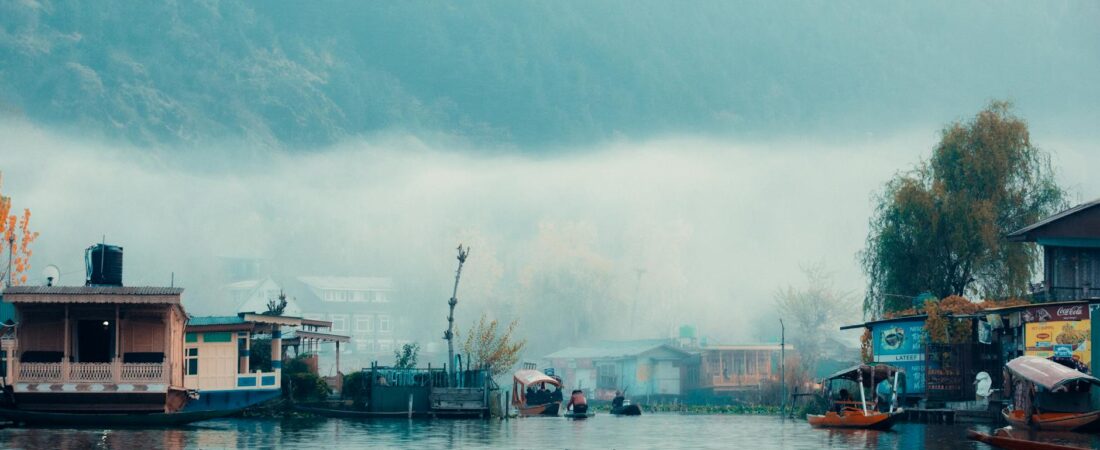
Kashmir’s water bodies are the real reason people keep returning to this region. Beyond the famous names everyone knows, there are lakes here that shift your entire understanding of what a landscape can do. The lakes in Jammu and Kashmir range from high-altitude glacial pools to valley reservoirs that change color with the season. Most visitors only scratch the surface, hitting the obvious spots and missing the quieter jewels that locals prefer.
Dal Lake Kashmir. The One Everyone Knows
Dal Lake is where most people start. It sits in the middle of Srinagar and offers something no other lake in the region does. The houseboat culture here is real, not manufactured for tourists. You wake up on the water, watch early morning mist lift off the surface, and realise why Mughal emperors chose this valley.
The lake isn’t just one thing. Ned’s Point offers views of the Zabarwan Mountains. The floating gardens on the eastern side grow vegetables in woven baskets on the water. Local shikara boatmen have been doing this for generations, and they know every inlet and corner of the 22-kilometre shoreline.
Book a houseboat stay for at least two nights. One night feels rushed. The water is colder than you’d expect and changes shade depending on the light. Early morning is the only time the lake feels like it did fifty years ago. Once boat tours ramp up, the magic gets diluted.
Wular Lake Kashmir. The Vast One
Wular Lake is massive. It sprawls across the northern valley floor and looks more like an inland sea than a lake. This is Kashmir’s largest freshwater lake, and the scale of it hits differently than smaller water bodies.
The fishing here is serious business. Local fishermen work in boats that look unchanged from decades past. The birdlife is exceptional too. Migratory species arrive in large numbers during winter months, turning the water into a living sanctuary. If you have binoculars and patience, spend a morning watching the activity.
Accessibility is mixed. Parts of the shoreline are reachable by road, while other sections require local guidance. The surrounding villages give a sense of working Kashmir that tourism brochures ignore. This isn’t a destination for leisure swimming or houseboat stays. This is a place to understand how local communities live alongside water bodies.
Gangabal Lake Kashmir. The Alpine Beauty
High-altitude lakes demand more effort, and Gangabal Lake repays that effort immediately. Situated at about 3,500 meters, this alpine lake sits in a cirque surrounded by peaks that rise even higher. The trek to reach it takes about five hours from the nearest road access point.
The water is crystal clear and cold enough that swimming is a shock to your system. The surrounding meadows burst with alpine flowers during summer months. Shepherds graze their flocks on the slopes, adding movement and life to the landscape. This isn’t commercialised tourism. This is you and the mountains.
The rock formations around the lake have spiritual significance in local culture. There are natural stone platforms where pilgrims gather during specific seasons. The geology tells a story of glacial movement and ancient climate shifts. Camp nearby if you can, because the sunrise view changes everything you thought you knew about mountain light.
Lakes in Jammu and Kashmir Beyond the Big Names
The lesser-known alpine lakes in Kashmir deserve equal attention. These water bodies sit at varying elevations and offer different experiences depending on when you visit and how much effort you’re willing to invest.
Vishansar Lake lies at 3,940 meters and feels genuinely remote. The trek involves crossing several ridges and navigating high-altitude terrain. Fewer people attempt this route, which means you’ll likely have large stretches of landscape to yourself. The lake’s shape is distinctive, and the surrounding meadows support hardy alpine plants.
Kolhoi Lake sits nearby and connects to Vishansar through a ridge trek. Doing both lakes in a trip is feasible for experienced trekkers. The water here is even colder and more isolated. Local shepherds know these lakes well, and hiring one as a guide is worth considering.
Tarsar Lake offers another high-altitude option with slightly easier access than Vishansar. The trek starts from Srinagar and takes about three days. The payoff is a stunning turquoise lake ringed by bare peaks. Camp here and spend time watching light change across the water at different hours.
Nagin Lake. The Quiet Sister
Nagin Lake sits just next to Dal Lake but feels like another world entirely. This crescent-shaped body of water is shallower and more intimate than its famous neighbour. Houseboats exist here too, but far fewer of them crowd the water.
The shoreline is more natural on Nagin. Willow trees drape into the water. Locals fish here in the early mornings before the day gets warm. The birdlife is excellent, making it a good spot if you have ornithological interests. Rent a private shikara instead of joining a group tour.
The ride from Dal Lake takes just minutes. Many people do both lakes in a day visit. However, staying overnight on Nagin gives you something different. The quiet water and reduced tourist activity create space to actually think. That matters more than you’d expect when you’re away from home.
Anchar Lake. The Birdwatcher’s Choice
Anchar Lake is not on most tourist itineraries. It sits north of Srinagar and functions as a wetland reserve. The water level fluctuates seasonally, affecting the birdlife that gathers here. Winter months bring migratory species in stunning numbers.
Bring binoculars. Bring a bird identification guide. Bring patience. The rewards are sightings of species you won’t see elsewhere in the region. Local birdwatchers consider this one of the top spots for bird photography in Kashmir. The light at dawn is capturing images of waterfowl and raptors.
A basic setup on the shoreline lets you watch for hours. Local guides can arrange boats or point you toward the best viewing spots. The environment here feels more raw than Dal Lake. You’re seeing actual ecosystem function, not a curated tourism experience.
Mansar Lake. The Spiritual Water
Mansar Lake in Jammu has religious significance that shapes how locals interact with it. Hindu pilgrims visit this lake for ritual purposes, particularly around specific festival times. The water is believed to have purifying properties in local tradition.
The lake sits in relatively dry terrain compared to Kashmir Valley. The contrast is striking. The surrounding hills are less lush, and the water’s significance feels more concentrated here. There’s a small temple on the shoreline that’s been visited for centuries.
Access is straightforward from Jammu city. A day trip is feasible, but consider staying overnight to experience the early morning atmosphere. The lake’s energy shifts once the heat peaks. Morning visits let you see how locals use the water for their own spiritual practice.
Tso Moriri. The Highest Lake
Tso Moriri sits at over 4,700 meters and qualifies as one of the highest freshwater lakes in India. This is no casual day trip. The altitude itself is a factor that will affect how your body responds. Acclimatisation before visiting is essential.
The landscape here is stark. Sparse vegetation. Wide-open skies. Snow peaks in the distance. The air is so thin that physical effort feels magnified. But the clarity of vision is unmatched. You can see for enormous distances without obstruction.
Reaching Tso Moriri requires planning and proper gear. Summer months are the only viable window. The lake freezes solid during winter. Local communities have herded animals around this region for generations, so hire local guides who understand the terrain and weather patterns.
Shallimar Bagh Lake. The Mughal Legacy
Shallimar Bagh Lake is technically a garden rather than just a lake. The water here serves aesthetic purpose within a planned landscape. The Mughal emperors designed this space with precision, and that intent is still visible.
The lake has three sections separated by stone channels. Each level represents a different height on the slope. The design creates multiple perspectives as you move through the space. The engineering behind this is impressive once you understand how water had to be channelled and controlled.
Visitors often spend too little time here. An hour walk-through misses the point. Sit by the water for a while. Watch how light reflects off the surface at different times. Notice how the surrounding plantings frame the water. This place rewards slow observation.
Wachora Lake. The Alpine Glacier Connection
Wachora Lake feeds from glacier melt, making the water distinctly cold. The lake sits in high-altitude meadowland with views of surrounding peaks. The colour of the water shifts from grey to turquoise depending on light conditions and sediment load from glacial runoff.
The trek to Wachora takes about four hours from the nearest road point. The landscape transitions gradually from forest to alpine meadow. The grassland around the lake supports yak herds that local herders maintain. The presence of livestock doesn’t diminish the experience. It actually adds authenticity to the setting.
Camp here if possible. The night sky is unobstructed by light pollution. The silence is almost overwhelming when you first experience it. Morning light on the peaks above the lake justifies the effort it took to get here.
Pangong Tso. The High Desert Lake
Pangong Tso straddles the Ladakh region and extends into Tibet. The lake is famous for its colour shifts, changing from blue to green to purple depending on season and time of day. The altitude here is around 4,350 meters, placing it firmly in high-altitude terrain.
The journey to Pangong Tso requires a full day drive from Leh. The landscape en route transitions from cultivated valleys to barren high-altitude desert. The lake itself feels isolated and otherworldly. Few trees grow here. The water is surrounded by bare mountains that look like another planet.
Camping on the shoreline is possible and highly recommended. Watch sunrise over the water. The changing light creates multiple colour variations within minutes. The stark beauty is unlike anything most people have seen before.
Alpine Lakes in Kashmir. The Complete High-Altitude Circuit
Multiple alpine lakes can be combined into a trekking circuit for experienced hikers. The Kolhoi-Vishansar circuit connects several lakes across ridges and meadows. This is a multi-day undertaking requiring proper fitness and preparation.
Each lake has distinct characteristics. Some offer fishing opportunities. Others are primarily visual destinations. Combining them into a single trip lets you experience different facets of high-altitude Kashmir in one push. Local trekking guides can arrange logistics and provide expertise about routes and seasonal conditions.
The best time for these treks is late summer through early autumn. Spring routes may still be snow-covered. Winter is completely closed. Plan accordingly and book guides well in advance.
Jammu and Kashmir’s lakes hold something for every type of traveller. Whether you prefer houseboats on famous waters or high-altitude solitude on glacial pools, the variety here is exceptional. Start with what appeals most to you. Then return to explore the quieter options. The region’s water bodies reveal themselves slowly, which is exactly how they should be experienced.