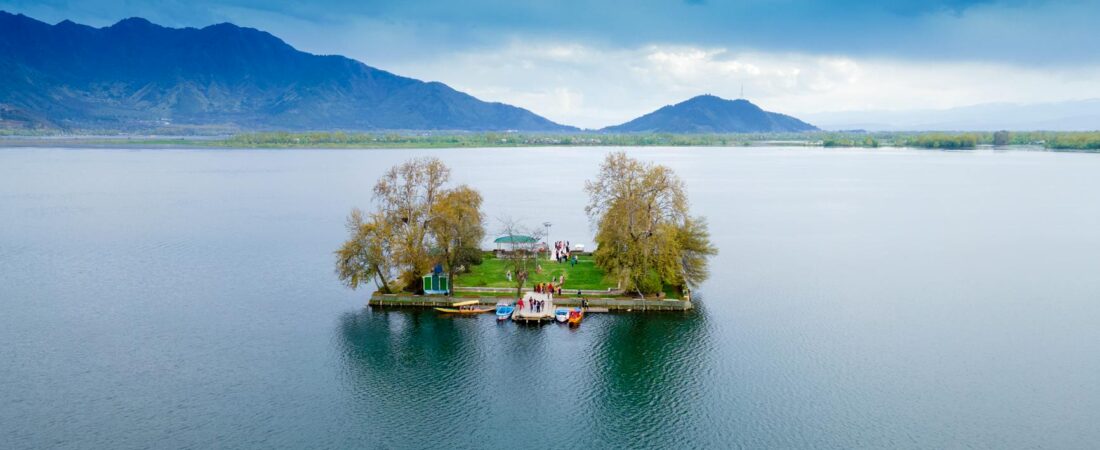
Vietnam’s coastline stretches over 3,000 kilometres, and the best parts aren’t always on the mainland. The islands scattered across the Vietnamese coast offer something different from the typical beach holiday. You get limestone cliffs rising from turquoise water, seafood markets where fishermen still use wooden boats, and places where tourism hasn’t completely taken over yet. For Indian travellers planning a Southeast Asia trip, Vietnam’s islands deserve serious attention.
Understanding Vietnam’s Island Geography Vietnam has thousands of islands, but only a handful matter for tourism. The major ones cluster in a few regions. Halong Bay sits in the north with dramatic geology and cruise culture. The central coast has quieter islands near Nha Trang. The south has the Mekong Delta islands and Phu Quoc, which has grown into a resort destination. Each zone offers different reasons to visit and different travel logistics. Start by understanding where these islands sit relative to major cities, because that determines how you get there. Most Vietnam islands require either a boat ride or a short flight. From Hanoi, you reach northern islands in 3 to 4 hours by road and then boat. From Ho Chi Minh City, southern islands take flights or longer drives. The central coast islands work best if you’re already in Nha Trang or Quy Nhon. Don’t treat them as quick day trips unless you’re prepared for early starts and late returns. ## Cat Ba Island. The Accessible Mountain Island Cat Ba sits closest to Hanoi among the major islands, making it the entry point for many visitors. It’s part of Halong Bay’s limestone ecosystem but functions as its own destination. The island has mountains, beaches, caves, and hiking trails. It also has towns with actual infrastructure rather than just resort setups. This makes it feel like somewhere you could stay for days, not just overnight. The town of Cat Ba sprawls along the waterfront with shops, restaurants, and guesthouses at every price point. You can hike Nui Ngoc Voi mountain for views across the bay. There’s a cave system to explore, though it’s touristy. Rock climbing has become popular here, with guides available at several shops. The water is warm enough for swimming year-round, though summer brings humidity that feels oppressive. Book rooms on the quieter west side of the island if you want less noise. What matters for Indian travellers is that Cat Ba has good hospital facilities and ATMs. You won’t feel stranded here. The island sits 3 to 4 hours from Hanoi by bus and boat, making it doable as a weekend trip or a longer stop. Most people spend two nights here and move on, which is reasonable if you have limited time. ## Halong Bay. The Cruise Experience Halong Bay is a UNESCO World Heritage site with over 2,000 limestone islands rising from the water. The scale is genuinely impressive. The issue is that it’s also mobbed with boats. Hundreds of cruise ships move through the bay daily, which affects the experience. You’re unlikely to have those postcard moments of solitude. Instead, you get boat full of other tourists anchored near identical boat full of other tourists. The cruises range from budget overnight trips to luxury junk boats costing serious money. The cheaper boats are claustrophobic and loud. The expensive ones offer better food and smaller group sizes but still navigate the same crowded bay. A three-day cruise makes sense if you want to see the islands properly, though two days works if you have limited time. Book directly with boat operators rather than through online agencies when you can. What you actually do on a Halong cruise matters more than which boat you choose. Swimming, kayaking to hidden lagoons, and visiting floating fishing villages are common activities. The cave visits are mostly theatre. The night on the water is genuinely nice if your boat isn’t packed with college students. The food varies wildly depending on where you book. Ask specifically about the cook and what they serve before committing to any overnight boat. ## Phu Quoc. The Developed Resort Island Phu Quoc has transformed from quiet beach destination to built-up tourist zone in the last decade. It now has a casino, golf courses, large resorts, and international flights coming in daily. This makes it convenient if you want comfort and don’t mind crowds. It also means the local culture has been diluted by resort infrastructure. The beaches here are long and sandy, unlike the rocky coves of the north. Ong Lang Beach on the west side is less developed than the main beaches. The southern tip has fisherman villages where you can still see how locals live, though they’re increasingly catering to tourists now. There’s a night market with fresh seafood at reasonable prices if you eat away from resort restaurants. Scuba diving, boat tours, and zip-lining are all available, which appeals to certain travellers. Phu Quoc makes sense for Indian travellers wanting a longer beach break without roughing it. You can fly directly from Ho Chi Minh City in an hour. Hotels range from basic guesthouses to five-star resorts. The setup is easier than remote islands, but you lose the sense of discovery. Think of it as a beach resort that happens to be in Vietnam rather than a Vietnamese island experience. ## Nha Trang Islands. The Snorkelling Hub Nha Trang itself is a coastal city, but the real appeal lies in the islands nearby. Poor Man’s Island, Monkey Island, and Sal Island are easy boat rides away. Day tours visit several islands in sequence, mixing snorkelling with beach time and lunch. The water is clear enough for snorkelling, though don’t expect Caribbean-level visibility. The snorkelling tours vary massively in quality. Some boats cram 50 people on deck and barely stop long enough for you to get in the water. Better options are smaller boats with experienced guides who know where the fish are. Book tours through your guesthouse rather than the travel agents hawking on the street. Guesthouse owners know which operators actually deliver on promises rather than just rushing through an itinerary. Monkey Island has actual monkeys, though they’re not the cuddly version you might imagine. They’re aggressive and will steal anything loose from your bag. Don’t bring valuables on the boat. The island itself is a monkey sanctuary where boats drop you for a few hours. It’s memorable in a chaotic way. Most people spend two days in Nha Trang doing island tours, then head north or south depending on their route. ## Tam Island. The Quieter Alternative Tam Island sits offshore from Phan Rang, south of Nha Trang but before you reach the Mekong Delta. It’s far less touristy than the Nha Trang islands because there’s less infrastructure for reaching it. The main village on the island has maybe a dozen guesthouses. Most boats that go there are fishing vessels, not tour boats. If you want to see how islanders actually live without it being performed for tourists, Tam Island delivers. The beaches aren’t resort-quality, but the lack of crowds makes them better to sit on. There’s snorkelling, fishing trips, and simply walking around the island meeting people. The food is whatever the locals eat that day. This appeals to certain travellers and repels others. Getting here requires more planning than other islands. You need to find a guesthouse in Phan Rang and arrange boat transport through them. There’s no established tourist infrastructure like bigger islands have. That’s the whole point for people who go there. You might spend one night and realize it’s too quiet for your taste, or you might find it’s exactly what you wanted and stay longer. ## The Mekong Delta Islands. The River Experience The Mekong Delta creates a different kind of island experience than the coastal ones. These islands are in rivers and small channels, not open ocean. They’re agricultural, with coconut plantations, fruit orchards, and rice paddies. You see water buffalo, local boats, and villages that rely on the river for everything. Day tours from Can Tho visit several delta islands, mixing boat rides with visits to markets, temples, and local homes. The boats are smaller and slower than coastal cruises. The pace is different. Cai Rang Floating Market is the most famous stop, where boats pile up selling vegetables and fruit from small canoes. It’s popular with tour groups but worth seeing to understand how the delta works. The best time to visit is early morning when activity is highest. Staying overnight on a delta island offers more time to explore without the tour boat schedule. The guesthouses are basic but fine. This part of Vietnam feels tropical and removed from the main tourist trails even though it’s not technically islands in the traditional sense. ## Hon Tre Island. The Adventure Option Hon Tre near Nha Trang is developing as an island destination with a resort, though it’s not mainstream yet. A cable car connects it to the mainland, making access simple without needing a boat. The island has a water park, ziplines, and hiking trails. It appeals to families and people wanting some activity mixed with beach time. The cable car ride itself is an experience. You get views across the coast while suspended over the water. It’s a bit nerve-wracking if you don’t like heights, but the safety record is solid. The island is small enough to walk around in a few hours, so you won’t find the sense of remoteness that bigger islands offer. Still, it combines convenience with some adventure, which appeals to certain travellers. ## Co To Island. The Northern Escape Co To sits northeast of Cat Ba in the far north of Vietnam. It’s more isolated than other islands because the ferry takes longer and runs less frequently. The beaches are nice, the waters are clear, and tourism is minimal. The infrastructure is basic, with guesthouses run by locals rather than tourist companies. Getting to Co To requires planning. Ferries depart from Hai Phong and take 2 to 3 hours depending on sea conditions. The journey itself becomes part of the experience rather than just transport. Once there, you can hike to lighthouses, snorkel, or spend time in the small village. The food is whatever’s caught locally that day. This island rewards patience and flexibility. ## Phu Quoc’s Quieter Beaches Beyond the main beach areas of Phu Quoc, the island has quieter stretches. Bai Sao Beach on the east side stays less crowded because the road is longer. Bai Khem Beach is beautiful and remote if you have transport. These places give you the Phu Quoc convenience without the resort density of main areas. Renting a scooter for the day and exploring the island yourself beats any organized tour. You’ll find small restaurants run by families, quiet beaches with no one around, and fishing ports where you can buy fresh seafood directly. The southern tip of the island, especially around An Thoi, has the most local character. Spend a few days here if you’re staying longer on Phu Quoc rather than just hitting the main beach. ## Practical Information for Island Hopping Getting between islands requires planning. Some islands connect via regular ferries. Others need boat tours or private boat hire. The ferry schedule is reliable for major routes but can be disrupted by weather. Book accommodation before you arrive if visiting during peak season. Off-season is cheaper but weather becomes a factor. Most islands have basic medical facilities or quick ferry access to the mainland hospital. Phu Quoc has proper hospitals. Remote islands have clinics only. Bring any specific medications with you rather than hoping to find them. ATMs exist on all major islands but not on smaller ones, so carry cash. The best approach to Vietnam islands depends on your comfort level and timeframe. Casual beach time suits Phu Quoc. Adventure and nature suit Cat Ba and the northern islands. Specific activities suit Nha Trang. The Mekong Delta suits cultural interest. Pick the island that matches what you’re actually looking for rather than