
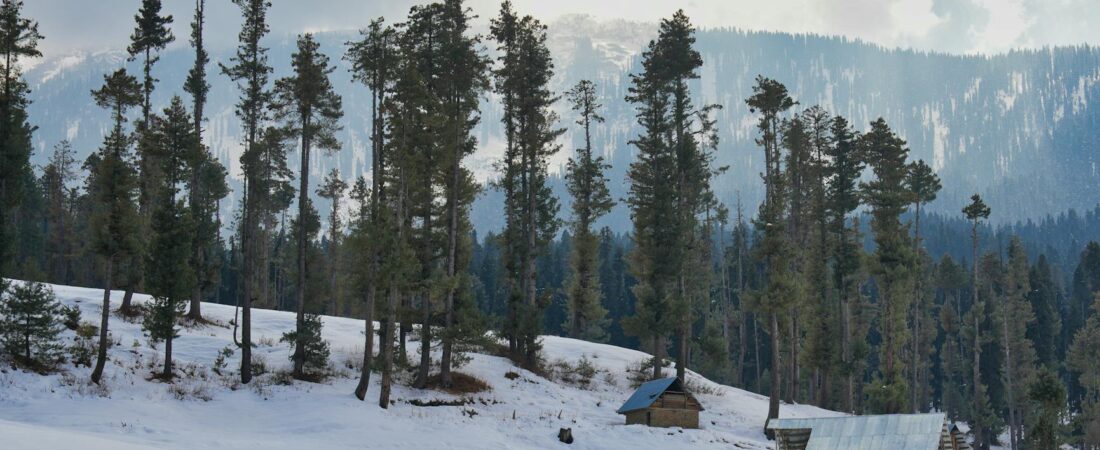
Most visitors to Darjeeling follow the same tired route. Tiger Hill sunrise, the toy train, the tea gardens, Mall Road shopping. Nothing wrong with that, but you’re missing the real story if that’s where your trip ends. The offbeat places near Darjeeling are where locals actually spend their time, where the hills feel quiet and genuine, and where you’ll understand why people move here to stay.
This region has depths that tourists rarely touch. Within an hour or two from Darjeeling town, there are villages, viewpoints, and walks that see maybe a fraction of the main town’s crowds. Some are easy to reach. Others need real effort. All of them shift how you see these mountains.
Lava. The Tea Garden Village Nobody Knows
Lava sits about 35 kilometers from Darjeeling, tucked into hills that feel more remote than their distance suggests. This is tea country, but not the kind you visit for tours and tastings. Lava is where the actual business happens, and where you can walk for hours without meeting another person with a camera.
The village itself is small. A few homestays, some basic shops, and that’s mostly it. The thing people don’t realize is how many trails move through the tea gardens here. You can spend a full day walking between plantations, crossing through working fields, and stopping at farmhouses where tea is still processed the old way. Locals know Lava because it’s cheap and quiet. Tourists miss it because there’s no structured “experience” to book.
Stay here and your days are simple. Wake early, walk into the mist, come back for lunch, rest, maybe walk again in the afternoon. The tea pickers work around you. You’re not on their schedule or in their way. Many people find that boring at first, then realize it’s exactly what they needed.
Kalimpong. The Overlooked Mountain Town
Kalimpong is close to Darjeeling, just 50 kilometers away, yet it feels like another world entirely. People talk about it less because it doesn’t have Tiger Hill or a toy train. What it does have is character, better views in certain spots, and a pace that suits you if you want to slow down instead of checking boxes.
The town center is chaotic in the right way. Markets are real, not cleaned up for tourists. Shops sell things people actually buy. Walk uphill from the market and you reach quieter areas where homestays sit overlooking the valley. Kalimpong’s strength isn’t a single landmark. It’s the walking, the local restaurants, the sense that you’ve landed somewhere that isn’t really designed for foreigners yet.
Cactus Hill is one offbeat location near Kalimpong that justifies the trip alone. It’s a steep climb from the town center, maybe 45 minutes up, but the view opens to three valleys at once. Few people make this walk. The path isn’t marked. You ask someone in town and they’ll point you in the right direction. That kind of navigation is part of the draw.
Sandakphu. The High Ridge Walk
Sandakphu is a long trip from Darjeeling, often a full day drive plus hiking, so it doesn’t see casual day visitors. That’s exactly why it matters. At 3,636 meters, it’s high enough that you feel it in your breathing, and the view spans from Kanchenjunga to Everest on clear mornings.
Getting there requires a two or three day trek. Most people drive partway and walk the rest. The trail passes through villages, rhododendron forests, and then opens into exposed ridge terrain where wind picks up and the world looks enormous. Nights are cold even in the warmer months. You stay in basic guesthouses where people don’t speak much English and the food is whatever the cook prepared that day.
This isn’t a walk for comfort. It’s for people who want to stand at the edge of something real. The views from the ridge are honest. They don’t flatter or perform. Kanchenjunga sits there, snow-covered, indifferent to whether you showed up or not. That’s the draw.
Tinchuley. The Forgotten Ridge Village
Tinchuley is barely listed in most guides, which is the main reason to go. It’s another offbeat tourist destination near Darjeeling that sits on a high ridge, about 15 kilometers from Darjeeling town, accessible by a bumpy road that makes you wonder if you’re going the right way.
What makes Tinchuley special is how isolated it feels while being close. There’s one main homestay that handles most visitors, and beyond that, you’re on your own. The ridge walks from here are empty. You walk between villages that see you come through and nod but don’t interact. Apple orchards line some trails. In spring, the whole ridge blooms. In winter, you see across multiple valleys into Nepal.
Many people stop here just for lunch or a few hours. That’s a mistake. Stay overnight. Walk at sunset. Walk again at dawn. The place reveals itself slowly, not all at once.
Kurseong. The Tea Capital With Depth
Kurseong is only 30 kilometers from Darjeeling, but most tourists skip it because they don’t know what to do there. It’s not on the main circuit. There’s no famous view or monument. What’s there instead is a working town that surrounds you with tea plantations, specific walking routes through gardens, and homestays where the owner actually lives in the same building as you.
The Ambotia Estate here is one place where you can actually walk between tea plants without feeling like you’re in a museum exhibit. You’re not on a tour. You’re just walking where work happens. If it’s picking season, you see people moving through the rows with baskets. The smell is different from other places. Slightly smoky, green, industrial in an old-fashioned way.
Stay in Kurseong if you want to understand how tea grows and gets processed without paying for the formal tour experience.
Risheehat. The Tea Garden Guesthouse Experience
Risheehat is a tea estate that accepts visitors, located between Darjeeling and Kurseong. Unlike larger estates that run scheduled tours with groups, Risheehat is smaller and quieter. You can actually stay here, wake up on the estate, and spend the day however you want.
The guesthouse is old, built in colonial times, and maintains that feeling without being precious about it. Rooms are simple. Windows open to tea plantations falling down the hillside. You have the option to join the workers in the morning if you want, or skip it and walk on your own. Most people do both. A few hours of actual work teaches you exactly how slow and careful tea picking really is.
This isn’t the most offbeat destination near Darjeeling, but it’s close to the top because so few people know about it.
Phalut. The Eastern Himalayan Edge
Phalut is a ridge that forms the border between West Bengal and Sikkim, sitting at 3,600 meters with a view that stretches across multiple states. Getting there means a three to four day trek from either Darjeeling or Sikkim side. It’s work to reach, which means you’re never crowded here.
The trek gains serious elevation. Forests move from subtropical to temperate to almost alpine. The last stretch is exposed ridge walking where wind matters and you need to watch your footing. Nights are spent in small villages or homestays where guests are rare enough to be an event.
The reward is a ridge walk where you’re genuinely far from the tourist circuit. The view includes peaks most people don’t recognize, valleys in three countries, and a sense of being at an actual edge. Not metaphorical. Real geography ending, another world beginning.
Mirik Lake. The Unexpected Water View
Mirik is south of Darjeeling, at lower elevation, surrounded by what feels like genuine farm country. The lake itself is modest, maybe a kilometer across, but it’s the only significant water body in the region, which means locals use it and tourists mostly don’t.
The walk around the lake takes a few hours. Rhododendrons grow along parts of the path. In spring they bloom thick and purple. You pass small farms, some temples, spots where locals fish. The lake is clean enough to swim in, though the water is cold even in warm months. Boat rides exist but they’re not really for tourists. They’re for people running errands across the lake.
Stay in Mirik if you want to be at lower elevation and experience something other than tea gardens for a few days.
Darjeeling’s Own Offbeat Routes
Within Darjeeling town itself, there are offbeat locations that tourists skip. Observatory Hill, behind the main bazaar, is worth climbing even though it’s steep and not officially marked. The view from the top looks back over the town and forward to Kanchenjunga. Most guidebooks mention it but people don’t go because it’s not convenient.
The National Library, also called the Hill Cart Road section, has walks that twist through neighborhoods where actual residents live. You’re not on a tourist trail. You’re moving through the town the way people move through it daily. Small cafes, small shops, the rhythm of a place that isn’t performing for visitors.
Jalapahar Fort is another offbeat tourist place near Darjeeling that sits on a hill east of town. The walk up is about an hour. The structure itself isn’t remarkable, but the walk through forest to reach it, and the views back over Darjeeling, make it worth the effort.
Rimbik and Gorkhey. The Remote Villages
Rimbik and Gorkhey are villages further south, past Mirik, toward the foothills of the Singalila range. Rimbik sits on a ridge. Gorkhey is quieter and even more remote. These aren’t destinations with infrastructure built specifically for tourists. They’re villages where you can stay if you arrange it in advance.
Walking from Rimbik to Gorkhey is a full day trek through forest and across farmland. The views shift as you drop elevation. You pass through villages that see very few outsiders. The trek is moderate, not technical, but it’s real walking, not a stroll.
These villages matter because they’re the opposite of processed tourism. You’re not part of a tour group. You’re a person who showed up and is walking around. That distinction changes everything about the trip.
Planning Your Offbeat Trip
Most offbeat places near Darjeeling require you to plan differently than the main circuit. Public transport exists but isn’t always frequent. A jeep is useful. Homestays should be booked in advance. You’ll need flexible dates and a willingness to change plans if weather hits.
The best approach is to pick two or three spots based on what you want, not try to cover everything. Rushing between villages defeats the purpose. Spend time. Walk enough that you feel tired in the right way. Talk to locals if they’re interested in talking. Stay longer than feels necessary in each place.
Darjeeling itself is still worth your time. The standard sights have value. But if you go home having only seen those things, you’ve missed what makes this region genuinely interesting. The offbeat destinations are where that story actually lives.