
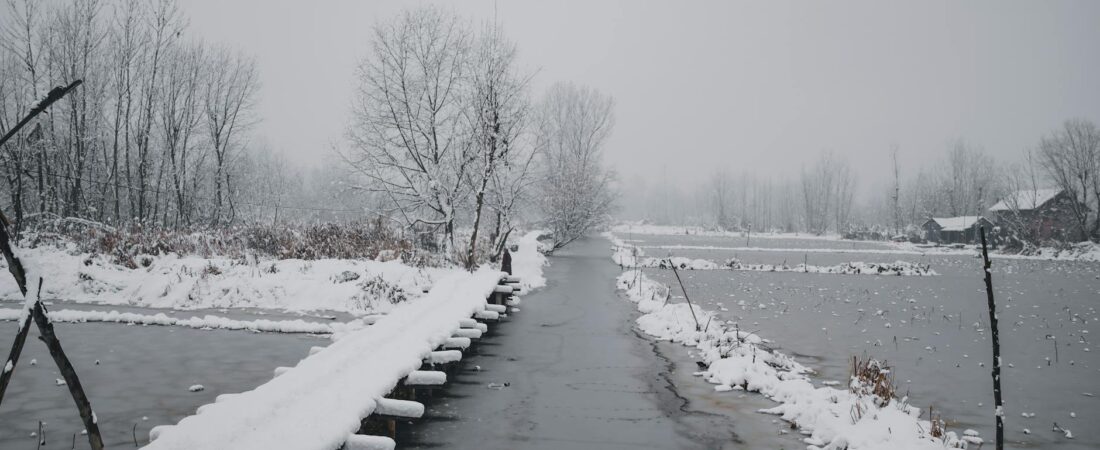
If you’re planning a trip to Darjeeling hoping to wake up to fresh snow, you need to know exactly where to be and when. Not every part of this hill station receives snow, and many visitors arrive during winter only to find rain instead. The darjeeling snowfall area is limited to specific elevations and locations, and understanding this upfront saves you disappointment and wasted travel days.
Snow in Darjeeling isn’t guaranteed like it is in Himachal Pradesh or Ladakh. You’re not at 10,000 feet or higher. The town itself sits around 6,700 feet above sea level, which means you’ll often see rain and mist rather than snow. But venture higher into the surrounding hills, and conditions change dramatically. Temperature drops significantly with every 300 meters of elevation gain, and above 8,000 feet, snow becomes a real possibility when winter weather systems move in from the northwest.
The key is knowing which specific places around Darjeeling actually receive snowfall. Three locations stand out consistently.
Sandakphu. The Highest Darjeeling Snowfall Place
Sandakphu is where most snow accumulates around Darjeeling. Sitting at 11,929 feet, it’s high enough that snow sticks around for days when it falls. The journey there takes preparation. You can’t simply drive up. Most people trek from Mane Bhanjang or Chitrey, and the trek takes two to three days depending on your fitness level and which route you choose.
What makes Sandakphu different from central Darjeeling is the altitude and the exposure. You’re on a ridge line between Nepal and West Bengal, which means weather systems hit it directly. When winter winds push moisture from the Bay of Bengal toward the mountains, Sandakphu catches that weather before it dissipates. Snow here usually falls between late December and mid-February, though timing varies depending on when the jet stream dips south.
The actual snowfall quantity is modest. You’re looking at four to six inches on a good day, not the thick accumulation you’d see in Kashmir or Himachal. But for Indian hill station standards, it’s real and visible snow that sticks around. The landscape transforms entirely. Views of Kanchenjunga and other peaks become crisp and dramatic when snow freshens the slopes.
Staying overnight at Sandakphu requires booking one of the few guesthouses or homestays available. Your choices are basic. Don’t expect hot showers or fancy rooms. What you do get is the chance to be at altitude during active weather, which is where genuine winter mountain experience happens. The trek itself demands reasonable fitness but doesn’t require mountaineering skills. Start early in the season if you go. By late January or early February, the best snow windows have often passed.
Kalipokhri and the Higher Ridge Areas
Kalipokhri sits at about 10,200 feet and receives snow more frequently than Darjeeling town but less reliably than Sandakphu. The trek there is shorter and less demanding than reaching Sandakphu, which makes it attractive for people without extensive hiking experience. From Darjeeling, you can reach Kalipokhri in one full day on foot or combine it with nearby ridge walks.
What’s useful about Kalipokhri is that it stays cold enough to hold snow even when central Darjeeling is experiencing rain. The location is exposed and windswept, which means moisture doesn’t stick around on the ground very long. Snow melts faster here than at higher elevations. But when active snowfall is happening, Kalipokhri receives it. The village sits right on the India-Nepal border, and that geography brings weather directly.
Accommodation options here are minimal. A few homestays and small guesthouses operate during winter, but you’re not getting luxury. Many people do Kalipokhri as a day trip from Darjeeling, leaving early morning and returning by evening. That works fine if you simply want to see snow and experience the altitude momentarily. But staying overnight means you catch sunrise and evening light on snow-covered peaks, which is when the landscape looks its best.
The trek to Kalipokhri is straightforward and well-marked. You pass through rhododendron forests that are dormant in winter, so expect bare branches and open views rather than green canopy. That actually works in your favor. You see the mountains clearly and notice when weather changes. That’s an advantage because you can retreat safely if conditions deteriorate.
Tongba and Bikhey Bhanjang. The Accessible Options
If you want to see snow from Darjeeling without committing to a multi-day trek, Tongba and Bikhey Bhanjang are where you go. Both sit between 8,500 and 9,500 feet. Both are accessible as day trips or overnight stays. Tongba is the more famous option and gets more visitors, so expect company during peak snow season.
Tongba isn’t guaranteed snow. That’s important. The elevation is borderline for accumulation. You might arrive and find only frost or light dusting. But when a weather system comes through properly, Tongba receives measurable snow. The views from Tongba look toward the Kanchenjunga range, and on clear days after snowfall, that vista is striking. Visibility extends far because the altitude gives you perspective.
Reaching Tongba takes about four to five hours of hiking from Ghum or Darjeeling. It’s steep but not technical. Your legs feel the elevation gain, which is why pacing yourself matters. Many people hike too fast at altitude and burn out. You need oxygen to work efficiently at 9,000 feet. Go slow and steady.
Bikhey Bhanjang is less crowded than Tongba but equally valid for seeing snow. The trek there branches off from the main Darjeeling-Sandakphu route, so fewer casual hikers venture that direction. The payoff is solitude and the same chance of snowfall. Local homestays operate there seasonally, and the people running them have good knowledge of current weather patterns. Ask them directly about snow timing when you book.
These mid-altitude spots have an advantage. They’re high enough for snow but low enough that you’re not dealing with extreme cold or serious altitude sickness risk. Your body adapts more easily. The experience feels achievable rather than punishing.
Timing. When Snow Actually Falls in Darjeeling
The darjeeling snowfall season is narrow. Most snow happens between late December and early February. That’s when the jet stream position favors moisture movement toward the eastern Himalayas. January is statistically your best month. Weather is stable enough for trekking, and snow events are common.
Late December can work, but you risk arriving before weather systems develop. Early February is borderline. Snow still falls occasionally, but the season is winding down. Beyond mid-February, snow becomes rare. The sun gains power, and atmospheric patterns shift. Rain replaces snow even at higher elevations.
Don’t travel hoping for snow. That’s a mistake. Check weather forecasts in the days before you arrive. Look for northwest wind patterns and atmospheric pressure systems that indicate an incoming weather system. Local guesthouses and homestays have accumulated knowledge about timing. Call ahead and ask directly when they last saw snow and whether more is forecast. They know the mountains better than any weather app.
Temperature swings are real during this season. Your day might start at 28 degrees Fahrenheit and warm to 40 by afternoon. Pack layers. Bring waterproof gear because you’re moving between snow, mist, and occasional rain. Your feet stay dry only if your boots and socks are adequate. This matters more than people realize when you’re hiking at altitude.
Beyond Snow. Why the Darjeeling Snowfall Area is Worth Visiting
Snow is the draw, but it shouldn’t be your only reason for trekking to these higher elevations. The landscape around Sandakphu, Kalipokhri, and the ridge areas offers things that go beyond snowfall. The views of Kanchenjunga across Nepal are unobstructed from these heights. You see Everest on exceptionally clear days from the highest points. That alone justifies the trip.
The rhododendron forests are dormant in winter, but that means you walk through open terrain with long sight lines. Spring trekkers see thick vegetation and flowers. Winter hikers see structure and form. The mountains reveal their bones without snow cover. That’s a different beauty. Local villages dotting the hillsides maintain traditional ways of living. Homestays in these areas put you directly into that reality rather than isolating you in a tourist hotel.
The physical experience of hiking at this altitude changes your perspective. You move slowly. You notice breathing. You become aware of your body in a way that city life erases. That awareness builds during a trek. It’s why people return to these mountains year after year. The snow is an addition to that experience, not the whole point.
Plan your trip around the realistic possibility of snow rather than certainty. Pack for snow but accept that you might encounter rain. If snow does fall, you’ll know immediately why you made the effort. If it doesn’t, the trek remains worthwhile because the mountain landscape itself delivers. That’s the only honest way to approach a darjeeling snowfall area visit. Go for the experience, hope for the snow.