
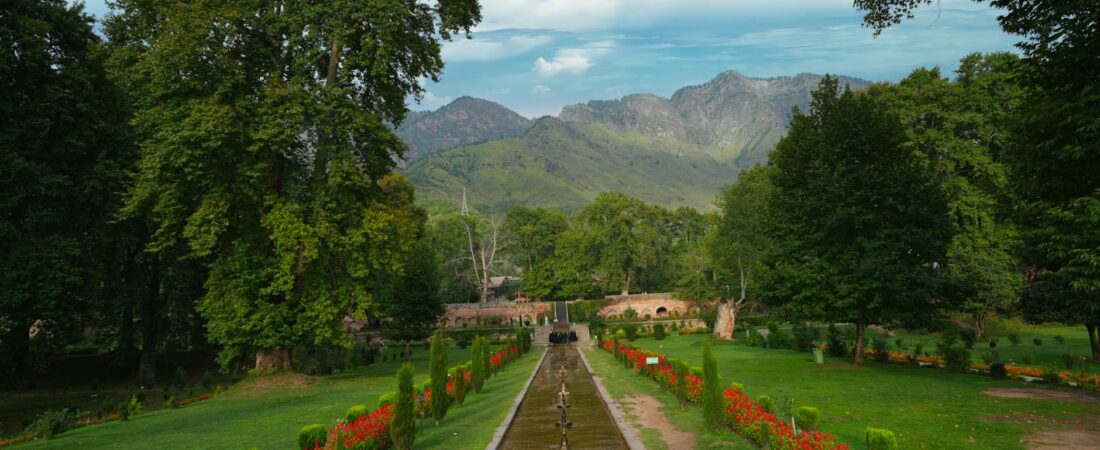
When you think about visiting a botanical garden darjeeling, Lloyd’s is the place that comes to mind for most people who’ve been there. Nestled on the slopes above Darjeeling town, this garden sits at about 2,200 metres and offers something most hill stations struggle to deliver. You don’t just walk through rows of plants here. You walk through important plant repositories in the Eastern Himalayas, and the atmosphere changes everything about how you spend your afternoon.
Lloyd Botanical Garden isn’t flashy or heavily commercialised like some tourist spots. That’s actually its biggest strength. The setup remains deliberately quiet and focused on its core purpose. The ticket prices are minimal, the crowds are manageable, and the plant collections are genuinely world-class. Whether you’re a serious plant lover or just someone who enjoys quiet walks in cool weather, there’s real substance here beyond the usual hill station checklist.
The Coolness Factor and Perfect Weather
Temperature matters when you’re in the Himalayas. Lloyd garden sits high enough that even during the warmest months, the weather stays pleasant. Summer temperatures rarely exceed 20 degrees Celsius, which means you can walk for hours without exhaustion. Compare this to Darjeeling town itself, where it gets crowded and the heat (relative to altitude) becomes noticeable. The garden’s elevation and thick vegetation create their own microclimate that’s several degrees cooler than the surrounding areas.
What makes this even better is the monsoon period. Between June and September, when most Indian tourists avoid hill stations due to rain, Lloyd’s becomes lush in ways that matter. The plants thrive. The greenery deepens. Waterfalls multiply along the garden’s edges. Yes, there’s rain, but it’s often manageable showers rather than all-day downpours, and the garden becomes far less crowded. You might see only a handful of other visitors on weekday mornings.
The dry season from October onwards brings crisp, clear days where visibility stretches across the Kanyangzong peak and beyond. This is when photography enthusiasts arrive. The light quality changes throughout the morning as mist lifts from the valleys. Spring, typically March to May, brings the rhododendrons and orchids into full bloom, and that alone justifies the visit.
Incredible Plant Collections You Won’t See Elsewhere
The strength of Lloyd Botanical Garden isn’t just that plants grow there. It’s the specificity and rarity of what grows there. The garden houses about 4,500 species and subspecies, with emphasis on Himalayan flora. That’s not a random collection. These are plants chosen deliberately for their ecological and scientific importance.
The orchid section demands at least an hour of your time. Lloyd’s has one of India’s most significant orchid collections, with about 800 species and varieties on display. Many orchids here are rare enough that you won’t see them in residential gardens or other public spaces. During peak blooming season, the colours range from deep purples to pale yellows, and some flowers are so delicate that photographs don’t capture them properly. The Lady’s Slipper orchid (Paphiopedilum) section is particularly impressive.
Rhododendrons form another major collection. The Himalayas are rhododendron country, and Lloyd’s has prioritised preserving these species. The garden contains over 450 rhododendron varieties, from the massive crimson-red species to smaller alpine types. When they bloom, usually between March and May, the entire garden transforms into something that feels almost unreal. The flowers aren’t scattered. They’re planted in deliberate groupings that create corridors of colour.
- The fern section showcases the diversity of Himalayan ferns, including species that are technically endangered elsewhere.
- Medicinal plants are organised and labelled, so you understand the traditional uses while learning modern applications.
- Conifers and evergreens provide structure and depth to the landscape, offering shade and visual continuity.
- Alpine plants occupy the higher terraces, adapted to the thin air and intense sunlight at this elevation.
Beyond collections, the lloyd botanical garden darjeeling maintains these plants in conditions that closely match their natural Himalayan habitat. The soil composition is carefully managed. The water systems use natural drainage patterns. This means the plants don’t just survive. They genuinely thrive, which changes how they look and behave compared to botanical gardens in lowland areas.
Walking Trails and Landscape Design That Makes Sense
The garden covers about 40 acres, and the walking trails are designed for gradual exploration rather than rushed visits. You can complete a basic circuit in 45 minutes, but most people stretch that to two to three hours because there’s always something worth stopping for. The paths rise and fall with the terrain instead of fighting against it. This makes walking easier on your knees and more interesting visually.
Several distinct zones organise the garden logically. The lower section, closer to the entrance, contains the main collections and demonstrates gardens. These areas are more formally maintained and easier to navigate. As you climb higher, the landscape becomes wilder. The paths narrow. You encounter fewer people. The views open up towards the surrounding valleys and peaks.
What actually impresses most visitors is how the garden respects the natural contours instead of imposing artificial shapes. You won’t find rigidly geometric beds or overstyled landscaping. The garden works with what the slope provides, creating natural amphitheatres of plants where shadows and light shift throughout the day. There’s a stream running through the lower section that creates a cooling effect, and the sound of water accompanies your walk in several places.
The pathways themselves are well-maintained but not paved over everywhere. Some sections use natural stone, others are simply compacted earth. This keeps the experience tactile and connected to the environment rather than feeling sterile. The infrastructure supports the mission without overshadowing it. Benches are placed at key viewpoints, but they’re simple wooden seats, not installation art.
Scientific Importance and Conservation Work
Lloyd Botanical Garden functions as an active research centre, not just a tourist attraction. The setup includes nurseries, seed banks, and propagation areas that most visitors never see. This matters because it shapes how the garden operates. Plants here aren’t just preserved for display. They’re studied, propagated, and sometimes reintroduced to their natural habitats in the Eastern Himalayas.
The garden participates in formal conservation programs for endangered Himalayan species. Some plants on display exist nowhere else in cultivation. Others are being bred and propagated specifically to strengthen wild populations. This work happens quietly in the background while you enjoy your walk, but it’s fundamental to understanding why this place matters beyond its tourist value.
Researchers work in collaboration with international institutions. The herbarium at Lloyd’s contains thousands of preserved specimens that serve as reference collections for botanical research. Students from various universities visit to study plant identification and ecology in conditions you can’t replicate in classroom settings. The knowledge generated here influences conservation policy across the region.
This scientific backbone changes your visit experience, whether you know it explicitly or not. The labelling is more detailed than typical gardens. The plant groupings follow ecological logic, not just aesthetic preferences. Even if you’re just taking a casual walk, you’re moving through carefully curated collections maintained by people who understand these plants at a research level.
Cultural and Historical Significance in Darjeeling’s Story
The lloyd botanical garden darjeeling carries Darjeeling’s history within its boundaries. The garden was established during the colonial period when botanical study was a serious business, not a sideline. The oldest sections retain features from that era. Walking through certain areas, you notice the pattern of development, the choices made about what to plant where, and how successive generations have expanded the collections.
This isn’t nostalgia for colonial times. It’s understanding how botanical science moved through the Himalayas and left behind institutions that continue serving real purposes. The garden represents a point where scientific curiosity, environmental preservation, and accessibility intersected in ways that still matter today. Tea planters needed to understand plant biology. Researchers needed collections to study from. The result benefited everyone.
Darjeeling’s identity is inseparable from its plants and landscapes. The tea gardens dominate the economy and visual landscape. The rhododendrons mark seasonal changes. The orchids define the region’s delicate beauty. Lloyd’s keeps these connections alive and documented in ways that a casual visitor might not fully appreciate initially. But after spending time there, you understand that this garden isn’t separate from Darjeeling. It’s central to what makes the place distinctive.
Practical Information and Planning Your Visit
The garden is open daily and remains accessible year-round, though certain seasons offer different experiences. Entry fees are low, making this an affordable addition to any Darjeeling trip. The actual time investment depends on your interests. A rushed visit takes about two hours. A thoughtful visit might stretch to four or five hours if you stop frequently to read labels, sit on benches, and let your eyes adjust to the different plant groupings.
Best times to visit depend on what you want to see. Spring brings the rhododendron and orchid blooms, making this the peak season for both crowds and visual impact. Summer is cooler than any other hill station at this latitude. The monsoon period is wet but dramatically green. Autumn offers clear days and comfortable walking weather. Winter can be cold, especially at dawn and dusk, but the dry season sunshine compensates.
There’s a small café inside the garden where basic tea and snacks are available. The setup is basic but functional. Most visitors bring their own water bottles and lunch, taking advantage of the quiet spots throughout the garden for picnicking. The walking paths accommodate people of varying fitness levels, though the elevation and slopes mean it’s not completely flat or easy.
Getting there requires a short uphill walk or a drive from central Darjeeling. Both are easy enough. The garden sits in its own zone, removed from the main town bustle. This separation is intentional and valuable. You’re not moving from touristy streets directly into a curated space. There’s a deliberate transition that prepares you mentally for what the garden offers.
When you walk through Lloyd Botanical Garden, you’re not ticking off a tourist attraction. You’re spending time in one of the Eastern Himalayas’ most important plant repositories, experiencing carefully maintained collections in conditions that make them genuinely thrive. The coolness, the science, the beauty, and the peace all compound together into something that stays with you long after you leave Darjeeling.