
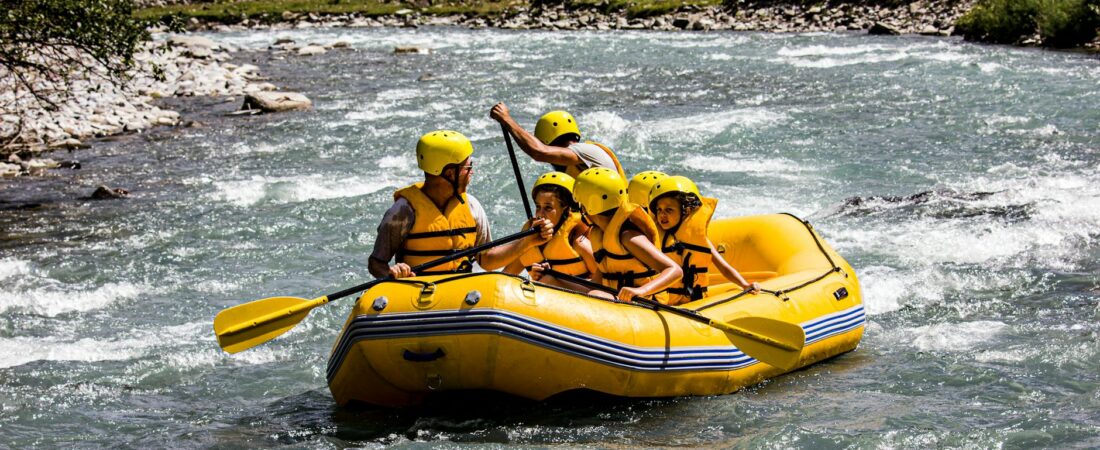
If you’re planning a trip to Darjeeling and think tea gardens and toy train rides are the only thrills available, you’re missing out. Rafting in Darjeeling has become the region’s best-kept adventure secret, attracting people who want more adrenaline than altitude sickness. The rivers here aren’t gentle.they’re grade III and IV rapids that demand respect but reward experience. You’ll find yourself paddling through some of the most dramatic landscapes in India, with the Kanyam Valley and dense forests creating a backdrop that photographs can’t quite capture.
The thing about Darjeeling rafting is that it’s not heavily marketed. You won’t see billboards or social media influencers making it their cornerstone content. That’s actually why it works. The rivers are less crowded, the guides know the water intimately, and your money goes further than at established tourist destinations. But reaching those rivers and paddling them safely requires some real planning, not just enthusiasm.
Understanding the Rivers of Darjeeling
The region has several rafting-ready rivers, each with different character and difficulty levels. The most popular rivers around Darjeeling include the Teesta, Rangit, Balason, and Relli. Each one carries its own personality, shaped by monsoon patterns and seasonal flow. Knowing which river suits your skill level is the first actual decision you need to make.
The Teesta River is the heavyweight of the bunch. It flows through the heart of the Darjeeling district and creates some genuine grade III rapids during peak season. When water levels rise after monsoons, you’re looking at faster current and more aggressive drops. During winter months, the river calms slightly but still offers solid paddling. The Teesta cuts through gorges with steep walls on both sides, which creates that locked-in feeling you get when the river narrows. That’s where it gets real exciting.
The Rangit River is technically easier but carries its own beauty. Grade II and lower grade III rapids make it accessible for first-timers who still want a proper adventure. The water here flows through agricultural land and smaller villages, so you’ll see local life alongside natural beauty. Many guides prefer starting newcomers on Rangit precisely because it gives you the paddling technique without the adrenaline spike that might make you panic.
The Balason and Relli rivers are shorter runs. If you have limited time or want to test the waters before committing to a full day on bigger rapids, these work well. Both offer grade II rapids and shorter duration trips. A Balason run might be 45 minutes to an hour, whereas a full Teesta day trip runs four to five hours.
Real Costs for Rafting in Darjeeling
Your budget matters, and rafting operators aren’t always clear about what you’re actually paying for. Let’s talk real numbers without the markup.
A half-day rafting trip on one of the easier rivers costs between Rs. 1,200 and Rs. 2,000 per person, depending on group size. If you’re part of a larger group, say 8 to 10 people, you’ll hit the lower end. Solo or pair travelers pay the premium. This price usually includes paddling gear like life jackets and helmets, guide service, and the raft itself. Food and transport to the launch point are often separate. Some operators throw in a simple lunch, others don’t.
Full-day trips on the Teesta or extended Rangit runs sit between Rs. 2,500 and Rs. 4,500 per person. This covers everything the half-day includes but extends to more challenging water and longer distance. You’re also typically getting a packed lunch or road-side meal with the full-day option. Transportation from your hotel in Darjeeling town down to the river usually adds Rs. 500 to Rs. 1,000 depending on distance.
Private groups with dedicated guides and specific itineraries push higher. Expect Rs. 6,000 to Rs. 8,000 per person if you want a curated trip with photography stops and customized difficulty levels. These aren’t prices that should intimidate you.they’re just higher because you’re renting expertise and exclusivity.
What often gets missed is gear quality. A cheap operator might hand you a deteriorating life jacket and an old paddle. Better operators replace gear regularly and maintain their rafts properly. Paying Rs. 500 more per person often means better equipment and more experienced guides. It’s a better call to choose operators recommended by locals than the cheapest listing on a travel site.
The 5 Rivers Worth Your Time
Teesta River. Upper Teesta Section
This is the main event for experienced paddlers. The upper Teesta runs through narrow gorges with consistent grade III rapids that demand attention. The current moves fast here, and paddling mistakes get corrected immediately. A 12-kilometer run typically takes four to five hours depending on water levels. You’ll navigate through a series of named rapids. Deathwish, Tiger, and Niagara are the ones with reputation. The names are dramatics marketing, honestly, but they do command respect. Water temperatures hover around 12 to 15 degrees Celsius even in summer, so you’ll feel every splash. The landscape is where this section truly shines. Towering rock walls create an almost canyon-like effect. At one point the river narrows so much that you feel enclosed by the water itself. That’s when you know you’ve picked the right activity.
Starting cost is Rs. 2,500 for group trips, rising to Rs. 4,000 for customized runs.
Rangit River
If Teesta is the black diamond run, Rangit is the blue run that doesn’t feel beginner-level. The river has character without the constant adrenaline demands of Teesta. Sections of flat water let you catch your breath and actually see the surroundings. Then you hit rapids that keep you engaged without overwhelming. A typical Rangit trip covers 8 to 10 kilometers in about three hours. This river winds through agricultural valleys, so you’ll pass villages and farming communities. It’s genuinely beautiful because it’s not all rock walls and gorges. The softer landscape makes it feel less like extreme sport and more like actual adventure. Guide quality matters more here because interpreting the water becomes the key skill rather than pure paddling strength.
Budget Rs. 1,800 to Rs. 2,800 per person depending on the operator.
Balason River. The Quick Hit
The Balason is perfect if you’re staying only a night in Darjeeling or want to test your comfort level before bigger water. This is a 5-kilometer run that takes about 45 minutes. Grade II rapids mean you’re paddling steadily but not in crisis mode. The river passes through forests and smaller villages, creating an intimate vibe. Many operators run Balason trips in the morning or evening, making it easy to fit into a travel schedule. A Balason run costs Rs. 1,200 to Rs. 1,800 per person.
Relli River
Another shorter option with similar characteristics to Balason. The Relli run is 4 kilometers and takes about an hour. It’s less crowded than Balason because fewer operators use this river. That means you might get more personalized attention from your guide. Grade II water, scenic forest backdrop, and an accessibility that suits families with older teenagers.
Relli trips run Rs. 1,000 to Rs. 1,500 per person.
Lower Teesta Section
The lower Teesta is an option that some operators run for intermediate paddlers. It’s easier than the upper section but maintains Teesta’s dramatic landscape. The rapids are grade II to lower grade III. A lower Teesta run covers about 15 kilometers and takes five to six hours, which makes it a full commitment. This section is less popular than the upper section, which means fewer groups and quieter water.
Expect Rs. 2,000 to Rs. 3,000 per person.
Safety Considerations That Actually Matter
Rafting isn’t inherently dangerous if you follow basic rules and partner with competent guides. Darjeeling’s rivers have had incidents, but most stem from operator negligence rather than the rivers themselves. Know this first.
Always verify that your guide has current training in swift water rescue and CPR. This isn’t optional. Ask directly. A real guide won’t mind explaining their training background. Many guides learn through informal apprenticeship rather than formal certification, which can work if the senior guides they learned from were good. But formal training from organizations like the Adventure Tour Operators Association adds a safety layer. Check if the operator has helmets and life jackets that fit properly. A loose helmet that moves around your head defeats its purpose. Test the fit before pushing off.
Water temperature is serious here. During winter and early spring, the rivers run cold enough to cause cold water shock. That’s where your breathing panics and your body goes rigid. Wearing a rashguard or thin wetsuit under your paddling shirt reduces the immediate shock. Good operators provide these. If they don’t, ask to wear one anyway or bring your own.
Water levels change dramatically with weather. The monsoon months bring swollen rivers with powerful currents. Heavy rainfall upstream can raise levels unexpectedly during your trip. Responsible guides check weather and water gauge readings before launching. They know which sections become too dangerous at high water. If a guide says the river is too high and cancels, accept it without complaint. That’s someone who takes safety seriously.
Swimming in these rivers is possible but not guaranteed to be safe. If you fall out, a life jacket keeps you buoyant and guides can pull you back in. The real danger comes if you panic or swim against the current instead of going with it. Most guides train people on what to do if they capsize. Pay attention to that briefing instead of treating it as formality.
Medical facilities in Darjeeling are adequate but not extensive. The Darjeeling Sadar Hospital exists and has a decent emergency ward, but it’s not a trauma center. Serious injuries might require evacuation to Siliguri or Kolkata. Travel insurance that covers adventure activities is highly recommended, not just suggested. Check that your policy includes rafting specifically.
Best Seasons and What to Expect
Autumn and spring are the ideal windows for rafting in Darjeeling. September through November brings moderate water levels and stable weather. March through May offers similar conditions. During these months, water temperatures are warmer, visibility is good, and rainfall is minimal. Trips run reliably without constant cancellations.
The monsoons hit hard from June to August. Water levels spike, currents become vicious, and visibility drops. Operators still run trips but often on easier sections only. The Rangit or Balason might be open while upper Teesta is closed. Many visitors assume monsoon means no rafting, but some people specifically want that challenge. You’ll pay less because fewer people book, but risk more. Winter months from December to February cool water temperatures significantly. The rivers run clear and steady, but you’ll feel the cold. Many groups do winter runs because the technical paddling is consistent, even if physical comfort is lower.
Booking and Operators Worth Knowing
Most hotels in Darjeeling can arrange rafting through partnerships with local operators. This convenience often comes with markup. Booking directly with operators saves money, but you need to know how to find them. Word of mouth from other travelers or Darjeeling residents works best. Visit local rafting shops in the town center near the toy train station. Talk to multiple operators before committing. Ask about their guide backgrounds, equipment age, and previous group feedback.
Some operators package rafting with homestays or hotel combinations. These bundle deals can work if the prices are transparent. Understand what’s included separately and what requires additional payment. Deposit requirements typically run 20 to 30 percent, with final payment due before launch.
Rafting in Darjeeling remains genuinely rewarding because it hasn’t been industrialized yet. The water is clean, the guides are often passionate rather than burnt out, and your adventure feels personal. That’s worth protecting by choosing operators who respect both the rivers and their customers.