
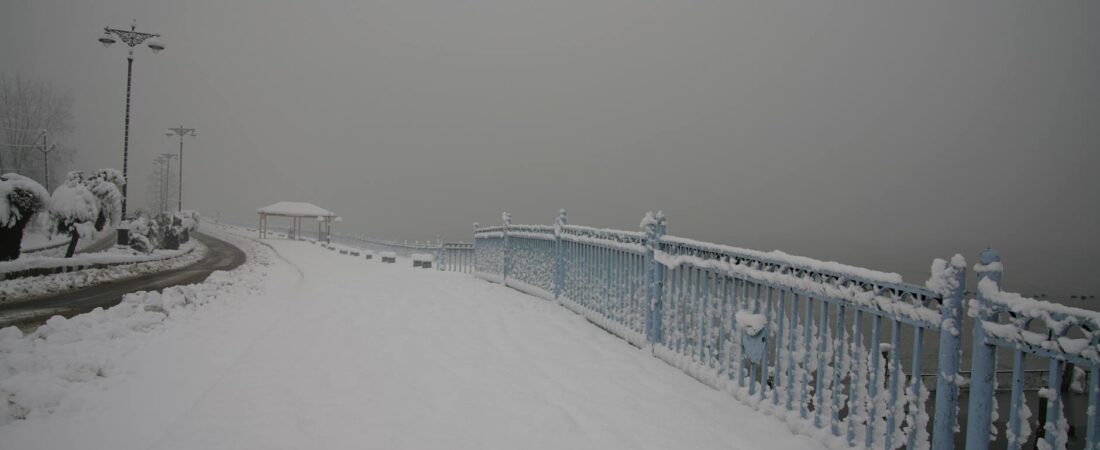
Darjeeling snowfall is a rare event, and that rarity is exactly why so many Indian travelers chase it every winter. The tea gardens don’t freeze over like the higher Himalayan valleys do, but when snow does fall here, it transforms the town into something genuinely worth the trip. Understanding what actually happens with snow in Darjeeling, and when, saves you from booking a hotel in December only to find rain instead.
This guide cuts through the marketing hype and tells you the real story about snowfall in this hill station. You’ll learn when snow actually falls, where to position yourself to see it, and whether chasing it is worth your time and money.
Fact 1: Snowfall Here Is Genuinely Uncommon, Not Seasonal
Most people assume hill stations have predictable snow seasons. Darjeeling doesn’t work that way. Snow falls here maybe once every two or three years, sometimes even less frequently. Some winters pass without a single flake touching the town itself.
The reason geography and wind patterns. Darjeeling sits at about 2,200 meters, which is high enough for snow, but not high enough to guarantee it. When moisture-laden winds come in from the Bay of Bengal, they often hit warmer air layers before reaching the town. The result is rain instead of snow. You could visit in January and find clear skies. You could return in February and see the ground covered white.
This unpredictability is the first honest fact. If your travel dates are fixed and snow is your only reason for going, reconsider. Plan Darjeeling for the tea gardens, the views, and the town itself, then treat snow as a bonus that might happen.
Fact 2: High Altitude Nearby Gets Snow More Often
Here’s what actually works if you’re determined to see snow in the region. Skip the Darjeeling town center and go higher. Tiger Hill sits at 2,590 meters. Sandakphu goes even further, sitting at 3,636 meters. Kanyam, on the Sikkim border, hits 2,680 meters.
These places get snow more reliably than Darjeeling proper. A visit to Tiger Hill has better odds because it sits above the cloud layer that often blankets the town. The trade-off is a rougher road, fewer hotels, and colder weather that if they’re underprepared.
Sandakphu is the most snow-prone location in the entire region. The trek to reach it takes two to three days from Darjeeling, moving upward through rhododendron forests. Once you’re there, you’re actually close to Nepal’s Kanyenjunga peak. Snow falls here more often than in town, and the views of the Kanchenjunga massif are worth the effort alone. That’s the real draw here.
Fact 3: December to February Is the Right Window, But Not Guaranteed
The winter months matter. December through February is when the Darjeeling snowfall happens, if it happens at all. Outside this window, your chances drop to nearly zero.
Early December sees some potential, though the weather is still relatively mild. Late January into February offers colder conditions and slightly better odds. Mid-January is often hit or miss. The thing is, even during these months, many winters produce nothing but clear, cold days and rain at night.
Check weather reports before booking, though forecasts more than two weeks out are unreliable at this altitude. Local guesthouses can tell you whether snow actually fell in recent winters. Call ahead or message a hotel directly. They’ll give you a straight answer about current conditions and what happened last year.
Fact 4: You’ll Need Specific Gear, and Town Hotels Aren’t Always Ready
Darjeeling town itself rarely faces harsh winter conditions, so many hotels don’t have proper heating systems. You’ll find rooms with thin blankets and drafty windows. A small electric heater helps, but you should bring your own warm layers.
Thermal underwear, a good jacket, and proper trekking boots matter more than you’d think. The rain-to-snow transition means the ground stays wet and slippery. Regular shoes won’t cut it. Darjeeling’s narrow lanes become treacherous when there’s ice underfoot.
If you’re heading to higher areas like Tiger Hill or Sandakphu, gear becomes non-negotiable. Temperatures drop below freezing, and wind picks up. You need a sleeping bag rated for cold weather, waterproof pants, insulated gloves, and a head covering. Many trekkers rent gear locally, which works fine, but inspect everything before accepting it. Some rental shops maintain their equipment poorly, and you don’t want a torn sleeping bag at 3,600 meters.
Fact 5: The Town Experience Matters More Than Snow Chasers Admit
Here’s the blunt truth. Even without snow, Darjeeling is worth visiting. The tea estates are lovely in winter. The air is clearer than in summer. Kanyak Mata Temple offers quiet mornings. The mall has fewer crowds. Local food tastes better when it’s cold outside.
Snow chasing can overshadow what actually makes this place special. The toy train runs regularly during winter, and the ride through the hills is genuinely atmospheric when fog rolls through. The views from Observatory Hill last longer when the air is crisp and dry. You can actually walk the town without feeling exhausted by humidity.
Many visitors build their entire trip around seeing snowfall, miss it, then regret coming. Flip that thinking. Come for Darjeeling itself. If snow happens, it’s a memory. If it doesn’t, you’ve still had a good trip. That’s how to travel here without disappointment.
Where to Actually See Snow in Darjeeling
Tiger Hill is the most accessible high point. You can reach it in under two hours by road from Darjeeling town. The viewpoint here faces east, so sunrise comes first. On a clear morning, Kanchenjunga glows orange and pink. When snow has fallen recently, the view becomes extraordinary.
The catch is that Tiger Hill gets crowded with domestic tourists, especially on clear days. Vehicles clog the small parking area. Vendors sell tea and snacks but the whole thing feels commercial. Still, if you have limited time and want the best odds of seeing snow, this is your spot.
Sandakphu requires commitment. The trek usually starts from Manebhanjang, a small village accessible by road. The first day involves six hours of walking upward through terraced farmland and patches of forest. The second day is steeper. By the third day, you’re exhausted but at the summit. Local guesthouses provide basic rooms and simple food. Beds are hard. Water is cold. But the isolation is exactly the point.
Kanyam sits lower than Sandakphu but sees snow more often than Darjeeling town. The road winds through Sikkim villages. The guesthouse here, called Kanyam Resort, has updated rooms and a small restaurant. It’s less of a hardship than Sandakphu but requires a full day trip from Darjeeling.
Timing Your Visit Right
January is statistically better than December, though neither is a guarantee. Early January can still be warm. Late January through early February is the sweet spot. The weather is colder, and if snow is going to fall, it usually happens in this window.
Check weather reports on your phone daily. If forecasts show snow approaching, move quickly. A two-day window between forecast and actual snowfall is normal. You might need to book a last-minute hotel or adjust your plans. That flexibility matters more than booking months in advance.
Local hotel owners will message you if snow falls. Build relationships before you arrive. WhatsApp a guesthouse in early December and ask them to keep you updated. Many owners do this willingly because they benefit from extra visitors.
What Snow Actually Looks Like Here
If you do see Darjeeling snowfall, understand that it’s usually light. You won’t see the deep drifts of Kashmir or Himachal Pradesh higher regions. Snow here often falls as wet slush that melts within hours on lower slopes. At higher altitudes like Sandakphu, it sticks better and creates actual snow cover.
The magic isn’t in the depth. It’s in how snow changes the light. The tea gardens turn white. The distant peaks gleam. The town smells cleaner. That’s what makes it worth seeing.
The Honest Recommendation
Travel to Darjeeling because you want to experience a hill station that grows the world’s finest tea. Spend time in the gardens if possible. Ride the toy train. Walk the bazaar early in the morning. Talk to locals over tea. If snow comes, celebrate it. If it doesn’t, you’ve still had a good time.
Don’t spend money you can’t afford to lose chasing snowfall. Don’t book expensive hotels based on snow promises. Don’t make this your entire reason for visiting. The town stands on its own.