
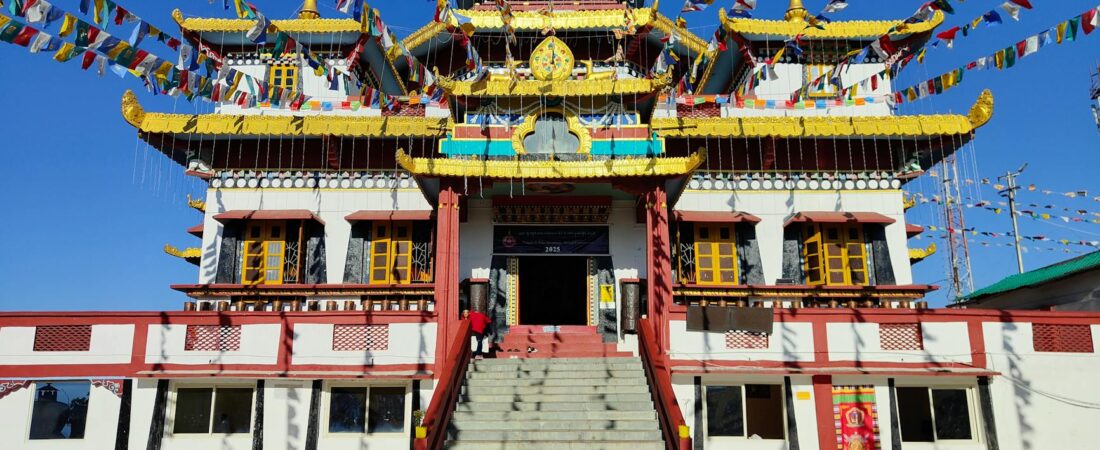
Nestled high in the Darjeeling hills, the Mahakal temple stands as one of the region’s quieter spiritual anchors. Most visitors rushing through Darjeeling’s tea gardens and toy train routes miss it entirely. That’s a shame, because this Shiva temple offers something genuinely different from the crowded temple circuits elsewhere in India. Before you plan a trip here, there are specific details about the temple’s location, timing, and actual experience that will shape whether it fits your itinerary.
The Mahakal mandir Darjeeling deserves attention not because it’s the grandest shrine you’ll see, but because of what it reveals about how people worship in the hills. This article breaks down five facts that will help you decide if a visit makes sense for your Darjeeling trip, and what to expect when you get there.
Fact 1. The Temple’s Location Sits Far Higher Than Most Visitors Expect
The first thing to understand about Mahakal temple Darjeeling is that it’s not in the main town. It sits at an elevation that requires deliberate travel from your hotel. Most temples in Darjeeling town itself are within walking distance of the Mall or the main bazaar areas. This one isn’t.
The temple sits on elevated terrain that commands views over the surrounding valleys. Getting there means either arranging a taxi ride from central Darjeeling or taking a local jeep. The journey itself takes between 15 to 30 minutes depending on traffic and your starting point. During monsoon season, the road can get rough, so asking your hotel staff about current conditions is smart before heading out.
What makes this location matter is simple. The views from the temple grounds are genuinely worth the detour. You’re looking out over Darjeeling’s signature landscape. tea gardens slope downward in neat rows, forest patches interrupt the plantations, and on clear days you can see across to neighboring regions. Many people visit the Mahakal mandir Darjeeling expecting a small hillside shrine, and instead find themselves at a location with real spatial command. The elevation and isolation also mean fewer crowds than central temples, which appeals to people seeking quieter worship spaces.
Local jeep drivers know the route well, and negotiating a fair rate beforehand is straightforward. Most people estimate about 500 to 800 rupees for a round trip with waiting time included. That’s worth confirming your own numbers before you leave your hotel.
Fact 2. Opening Hours Run on a Specific Schedule You Should Confirm Locally
Mahakal temple Darjeeling timings are not posted on any official website. That’s the honest truth right there. The temple maintains regular hours, but the specific opening and closing times can shift slightly based on who’s managing the space and whether special pujas are happening on any given day.
Generally, the temple opens early in the morning. Most days you’ll find the gates accessible from around 6 AM. Evening hours extend to about 8 or 9 PM, though this shifts during winter months when darkness falls earlier. If you’re planning a specific visit, the most reliable approach is to ask your hotel or guesthouse staff the day before. They’ve usually got current information, and they know the local priests or custodians.
What matters practically is understanding that this isn’t a major pilgrimage site with fixed, universally-known hours. The temple operates according to local rhythms. Pujas take place at set times, though a visitor showing up at random hours will still find the temple accessible for personal worship. If you’re hoping to participate in a specific prayer ceremony or have a priest available to answer questions about the shrine, timing becomes critical. Ask specifically about puja timings when you’re gathering information about hours.
The temple stays open on most days throughout the year. You won’t find it randomly closed for seasonal reasons or maintenance the way some smaller shrines occasionally are. Just build in flexibility and confirm details locally rather than relying on any single online source.
Fact 3. The Shiva Temple Architecture Reflects Himalayan Design Influences
The Mahakal temple’s physical structure tells you something important about how worship spaces function in hill stations. This isn’t a massive South Indian gopuram or an ornate North Indian marble dome. The building itself sits somewhere between a traditional Himalayan shrine and a more modest community temple structure.
Stone construction forms the base, and the temple’s proportions reflect practical mountain architecture. Sloped roofs handle heavy rainfall and occasional snow. The interior sanctum houses a Shiva lingam, which is the focus of daily worship. Around the main shrine, there’s adequate space for devotees to move through during prayers without feeling cramped. The outer courtyard area is where most visitors spend time if they’re not actively praying.
You’ll notice local artistic touches throughout. Himalayan hill temples often incorporate specific design elements that differ from lowland shrine traditions. Carved details are present but understated. The overall aesthetic is clean rather than ornately decorated. This functional approach to temple design is actually common across Darjeeling’s religious spaces. It reflects both the practical constraints of mountain building and the particular spiritual traditions of the region.
Photographers will find interesting angles, especially during golden hour light. The temple’s positioning means you get good natural light for photos from certain times of day. The surrounding landscape photographs well too, and many visitors capture the valley views alongside the shrine structure itself.
Fact 4. The Temple Draws a Local Worship Base Rather Than Tourist Crowds
Here’s what separates this temple from others on the standard Darjeeling tourist circuit. The Mahakal mandir Darjeeling serves the local community primarily. You’ll encounter residents coming for daily prayers, families visiting for specific occasions, and devotional gatherings organized by neighborhood groups. Tourists show up occasionally, but they’re not the main congregation.
This creates a fundamentally different atmosphere than you’d experience at, say, the Kali Temple or other major shrines in Darjeeling town. There’s no vendor stall selling flowers and incense outside. You won’t find tour groups moving through on a structured itinerary. The priest or temple custodian is there to manage the space and conduct worship, not to serve as a tour guide for visitors.
What this means for your visit is that respectful behavior matters more than at temples explicitly set up for tourism. Many Indians visiting will intuitively understand the protocols. You remove shoes, avoid crossing in front of active prayers, and speak quietly. Visiting during off-peak hours means you’ll have more space and a better sense of how the temple actually functions in local life.
The trade-off is obvious. You get authenticity instead of convenience. Some people find this immensely appealing. Others prefer temples that are clearly equipped to handle visitors. Neither preference is wrong. Just know what you’re choosing before you spend the travel time to reach this location.
Fact 5. The Surrounding Area Offers Additional Reasons to Make the Trip Worth It
The real practical consideration about visiting Mahakal temple Darjeeling is whether the location fits into your broader itinerary. Going there just for the temple and returning to town immediately feels wasteful given the travel time. But several interesting things sit near the temple, which makes combining a visit sensible.
The area around the temple offers walking paths through local neighborhoods. You’re seeing how residential Darjeeling actually looks beyond the tourist zones. Tea gardens adjoin the temple grounds, and some visitors arrange morning walks through plantations in this region. Local shops near the temple sell basic provisions, and if you’re there during morning hours, you might find fresh local produce being sold from small stalls.
Some visitors time their temple visit around breakfast at a nearby small eatery. The darjeeling shiva temple area doesn’t have fancy restaurants, but simple local meals are available. Locals eat here regularly, which is usually a good sign for authentic food at reasonable prices.
Photography opportunities extend beyond the temple itself. The entire hillside landscape in this zone has interesting visual elements. Early morning light is particularly good if you can manage an early start from your hotel. The combination of temple visit, local area exploration, and valley photography makes the detour feel justified. Plan on spending at least two to three hours in the area to move unhurriedly through everything.
Consider combining the temple visit with a jeep driver who knows other nearby spots worth seeing. Many drivers offer flexible routes that incorporate several hillside viewpoints and local sites in one trip. This approach maximizes your time and gives you better value from the travel effort.
Planning Your Actual Visit to Mahakal Temple
Working the temple into your Darjeeling schedule means thinking about timing and logistics clearly. Best practice is asking your hotel or guesthouse about current conditions and access before you commit to the trip. Tell them you’re interested in visiting Mahakal temple Darjeeling, and they’ll often give you specific advice about the best time to go and what to expect.
Morning visits generally work better than afternoon trips. The light is better, the weather is usually clearer, and you’re more likely to encounter active worship. Bring water and wear good walking shoes since the paths can be uneven. If you’re sensitive to altitude, remember that this location sits higher than central Darjeeling, so take it slowly.
Photography is absolutely fine but be respectful during active prayer times. Avoid photographing people unless you’ve asked permission. The temple appreciates modest dress, so cover your shoulders and legs appropriately. This isn’t stated as a strict rule, but it’s observed in practice.
Finally, know that this visit rewards local knowledge. The more you talk to people in Darjeeling before you go, the richer your understanding becomes. The temple itself is simple and authentic. That authenticity is exactly what makes it worth the trip for people seeking something beyond the standard tourist experience.