
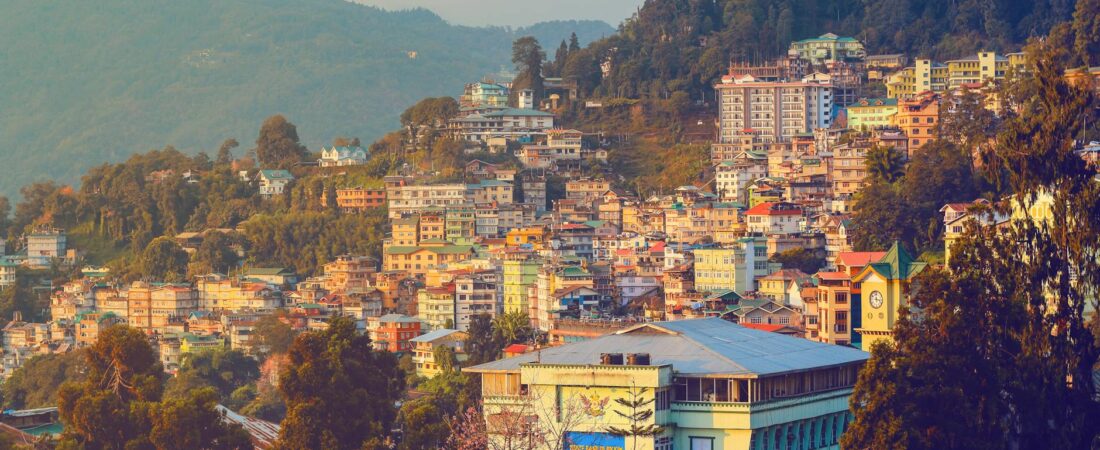
Planning a trip to Darjeeling or Gangtok requires more than just picking any month and hoping for the best. These hill stations sit in the eastern Himalayas, and their weather changes dramatically depending on the season. You need to know which months deliver clear skies, which bring rain that blocks mountain views, and which offer mild temperatures that won’t leave you shivering or sweating through your clothes.
The best time to visit Darjeeling and Gangtok depends on what you actually want from your trip. Some people chase rhododendrons in spring. Others want to see Kanchenjunga without clouds. A few brave souls visit during monsoon for the raw, moody landscape. Getting this decision right means the difference between perfect photos and returning home with pictures of grey fog.
Spring Season: March to May
Spring arrives early in these hills. By late February, the rhododendrons start blooming on the hillsides. March is when the mountains truly wake up after winter, and the valleys fill with colour that photographs rarely capture properly.
Temperature-wise, spring is gentle. Daytime highs sit around 15 to 20 degrees Celsius in Darjeeling. Gangtok runs slightly warmer, hovering near 18 to 22 degrees Celsius. Nights are cool enough that you’ll need a light jacket, but nothing heavy. Rain is minimal during these months. You might catch an afternoon shower in late May, but mostly the skies stay clear. This is crucial for mountain visibility. Kanchenjunga, the region’s iconic peak, reveals itself on spring mornings like a gift that doesn’t come often.
The crowds start building from April onwards. Easter holidays bring families from the plains. Hotels fill up. Restaurant tables at popular spots have queues. If you dislike crowds, visit in early March. If you want peak blooms and don’t mind sharing the experience with others, late April works well. May can be tricky because afternoon clouds become more frequent, especially toward the end of the month. You lose afternoon clarity for photography.
Wildlife spotters notice spring activity too. Red pandas are more visible. Birds return from lower elevations. Forest trails feel alive. Book your hotels two months ahead for April and May. This isn’t optional advice. Start there.
Summer Monsoon: June to September
The monsoon transforms these hills into something between a nature documentary and a waterlogged mess. Rain doesn’t fall in gentle drops. It arrives in sheets. Entire hillsides slide. Roads get washed out. Some years, landslides block access to Gangtok for days.
June and July are the heaviest months. Darjeeling receives more than 600mm of rainfall in July alone. Gangtok gets similar amounts. Daily rainfall happens almost without fail. Mornings might be clear, but by afternoon, clouds wrap around the mountains like someone pulled a grey blanket over everything. Photography becomes frustrating. Your mountain views vanish. The landscapes are moody and dramatic, yes, but they’re also obscured.
That said, the monsoon attracts specific travellers. Photographers seeking moody, dramatic light come here intentionally. Trekkers appreciate the green landscapes and flowing waterfalls. Tea gardens look their most lush. Hotels offer discounts because demand drops. If you’re flexible with budget and don’t need clear views, June to August can be rewarding. Just know what you’re signing up for.
August is slightly drier than July. September is when the rains begin backing off. By mid-September, rainfall decreases noticeably. The clouds thin. Kanchenjunga starts appearing on clear days. Late September edges toward being good again. Infrastructure in these towns handles monsoon fairly well today, but landslides remain a real concern. Roads occasionally wash away. Power cuts happen. Your trip might get delayed by weather.
Autumn Season: October to November
October and November represent the year’s sweetest spot. The monsoon has passed. The rain has cleaned the mountains. The skies stay clear for days on end. Temperatures are mild, not cold. This is when most travel guides recommend visiting, and the guides are correct.
October hits differently than November. Early October still carries warmth from summer. Daytime temperatures sit around 20 to 22 degrees Celsius in Darjeeling. Gangtok is marginally warmer. By late October, things cool down. November brings temperatures that dip to 12 to 18 degrees Celsius. You’ll need a sweater or fleece for mornings and evenings.
Visibility during autumn is exceptional. Kanchenjunga stands visible from most viewpoints on clear days. Tea gardens look photogenic in golden hour light. Forests display shades of brown and gold as leaves change. The air feels crisp and clean. Humidity drops significantly compared to monsoon months. Your skin feels better. Your clothes dry faster. Photography conditions are optimal. Every valley looks sharp and defined.
The downside is straightforward: everyone else knows this too. October and November bring maximum crowds. Hotels book solid months in advance. Popular restaurants have two-hour waits. Prices climb noticeably. If you’re booking accommodation in October, you should start looking by August. This isn’t exaggeration. Know this first.
Weather disruptions are rare in autumn. Unexpected rain happens occasionally, but it’s brief. Roads stay open. Power supply remains stable. You won’t get stuck in Gangtok for three days because of landslides. This reliability matters when you have limited vacation days.
Winter Season: December to February
Winter in the hills feels different from winter on the plains. Yes, it gets cold. Yes, the mountains sometimes wear snow at higher elevations. But it’s not the freeze that Delhi or northern states experience. Darjeeling sees temperatures between 5 and 15 degrees Celsius. Gangtok is slightly warmer, ranging from 8 to 18 degrees Celsius. You need proper layers and a good jacket, but you’re not dealing with brutal cold.
Snowfall is unpredictable. Some years bring heavy snow. Other years, it barely dusts the peaks. You cannot count on snow in December or January. If seeing snow is essential to your trip, you’re gambling. Darjeeling’s higher elevations sometimes get snow, particularly in January. Gangtok at city level rarely sees it. Roads to higher viewpoints might close occasionally due to ice or snow, blocking access until conditions improve.
The real advantage of winter is the absence of crowds. October was packed. November was packed. December onwards, things quiet down significantly. You can walk through markets without pushing through throngs. Restaurant reservations happen easily. Hotel rates drop considerably. You get better service because staff aren’t running on fumes.
Skies remain mostly clear. Visibility for mountain views stays good. Kanchenjunga is visible on many days. The light quality is excellent. Mornings are crisp and photography. The trade-off is that you’re working in cold conditions. Your hands get numb. Your camera’s battery drains faster. You’ll spend money on hot drinks to stay warm.
January into February sees increasing crowds again as people escape the coldest part of winter in northern India. By late February, it’s warm again. Spring is technically months away, but the hills start waking up early.
Which Month Should You Actually Choose?
If you have complete flexibility with dates, pick October. The weather is reliable. Views are clear. Temperatures are comfortable. Crowds are high, yes, but this is when most people visit for valid reasons.
If October doesn’t work and you want guaranteed clear skies, choose November. It’s slightly cooler but still pleasant. Crowds exist but are smaller than October. November gets overlooked by many planners.
If you hate crowds more than you care about mountain views, go in December or January. Winter brings empty streets, good prices, and clear skies most days. Just pack proper layers.
If you’re flexible with weather and want budget-friendly travel, consider June or September. June is cheaper and greener. September has improving weather as monsoon backs off. These months suit certain travellers perfectly.
If you’re visiting for specific reasons like rhododendrons, plan for late March or early April. Accept that you’ll share the space with other enthusiasts.
Practical Planning Considerations
Weather isn’t the only factor. School holidays affect crowds and hotel rates. The summer break brings families. Diwali and Christmas periods fill rooms months ahead. Plan your dates around these breaks if you want easier bookings or thinner crowds.
Check road conditions before monsoon travel. Some passes close seasonally. Gangtok to Darjeeling routes can be affected. If you’re visiting in June or July, call hotels ahead. Ask about recent landslides or road damage. Official websites sometimes lag with current information.
Pack according to season, obviously, but also pack layers. Mountain weather changes rapidly. You might experience four seasons in one day. A morning might be cold enough for a jacket. By noon, you’ve stripped down to a t-shirt. Bring clothes that work in multiple layers. Avoid bulky items.
Hotels in these towns range from budget guesthouses to luxury resorts. Booking ahead is essential in peak season. Even in off-season months like June or December, good properties fill up. Don’t assume you’ll find rooms at the last minute. Gangtok has more hotel options than Darjeeling, so booking is slightly easier. Darjeeling’s property inventory is older and more limited.
Transportation between these towns takes about six to eight hours by road depending on conditions. Booking this journey during or after monsoon requires flexibility. Landslides can close roads for hours or days. Plan extra time into your itinerary if visiting during risky months.
The best time to visit Sikkim and Darjeeling ultimately depends on balancing weather, crowds, budget, and your specific goals. No single month works for everyone. Understand what each season offers, know your priorities, then book accordingly.