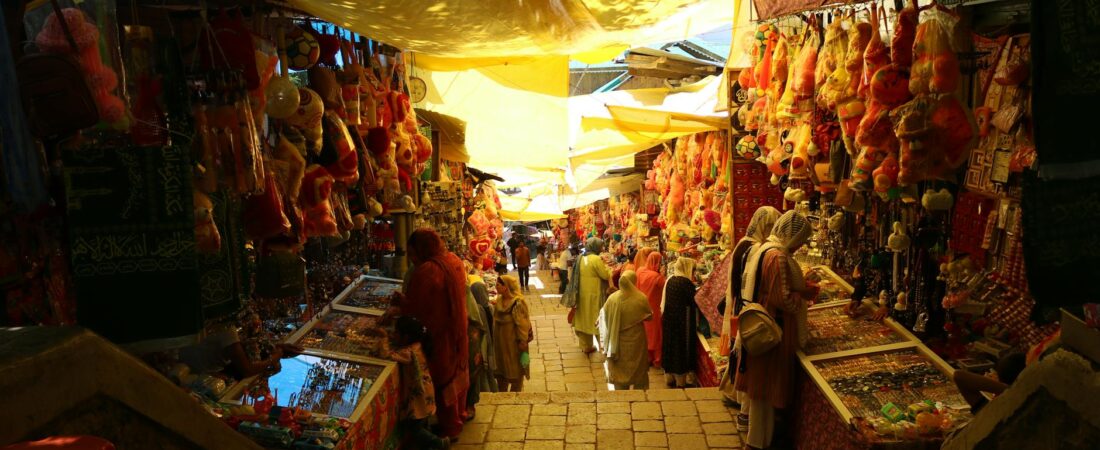
Darjeeling isn’t just about tea gardens and mountain views. The shopping here tells its own story. You’ll find everything from world-class tea to handwoven textiles, silver jewelry that catches light like nothing else, and spices that smell like the hills themselves. Shopping in Darjeeling works differently than big city markets because the stakes are smaller and the quality often er. You’re not hunting through thousands of vendors. Instead, you’re moving through focused neighborhoods where shopkeepers actually know their products and can tell you why something matters. The real question isn’t where to shop in Darjeeling. It’s what to actually bring home that makes sense. Some tourists fill bags with things they’ll never use again. Others walk away with items that become their favorite possessions for years. That difference knowing which markets matter and which items are actually worth your money and luggage space.
Chowrasta Market: The Heart of Everything This is where Darjeeling’s shopping energy lives. Chowrasta sits at the town center, and if you want a quick feel for what people buy here, this is your starting point. The market spreads across a leafy square with buildings on all sides, creating natural shade and shelter when the weather turns uncertain. You can walk the entire perimeter in about twenty minutes, but most people spend longer because the shops pull you in. The tea section dominates here. You’ll see dozens of shops selling Darjeeling tea, and this is where the first decision matters. Buy from established tea houses rather than small stalls. The difference in quality is real. A proper Darjeeling tea house can tell you the garden name, the picking season, and what the tea actually tastes like before you buy. They have proper storage systems too, which matters more than people think. Tea absorbs odors and moisture, so where it’s kept affects the final cup. Most established shops here have proper packaging and can ship to your home if you buy in quantity. Expect to spend anywhere from 400 rupees to 2000 rupees per hundred grams depending on the grade. First flush teas from spring harvest cost more and taste lighter, almost floral. Second flush from early summer brings more body and complexity. Second flush is often better value if you’re unsure what you like. Beyond tea, Chowrasta has clothes, shoes, and tourist goods that range from clever to useless. The jewelry shops here sell silver and some gold, mostly for the local market. Quality varies wildly in these shops, so look carefully before buying. Ask about purity marks. If a shopkeeper can’t or won’t show you hallmark stamps, keep walking. What makes Chowrasta worth visiting isn’t that it’s best for any single item. It’s that you get a complete picture of what Darjeeling values in one afternoon. ## Mall Road: Serious Shopping Without the Chaos Mall Road is where locals actually do their regular shopping. It’s not set up for tourists particularly, which makes it better. The road runs downhill from Chowrasta with shops on both sides, and the pace feels real rather than staged. You’ll see families buying vegetables next to teenagers shopping for clothes next to older people getting daily supplies. This mixing keeps the energy authentic. What is famous in Darjeeling for shopping among actual residents includes items you won’t find elsewhere in the same quality. Woolen garments appear here regularly. Darjeeling gets cold enough that good sweaters and shawls aren’t luxury items. Local weavers and knitting units produce quality pieces that last. Prices run 800 to 3000 rupees for decent pullovers, which is fair considering the construction. Look for tight, even knitting and colors that don’t feel thin when you hold them to light. The shoe shops on Mall Road stock good hiking boots and casual footwear. If you’re planning to trek around Darjeeling, buying shoes here before you leave makes sense. The prices match what you’d pay in bigger cities, but the selection skews toward mountain-appropriate styles rather than fashion. A decent pair of trekking shoes costs around 2500 to 4000 rupees. Shopkeepers here know which shoes work for the local trails because they walk them too. Spices and condiments have their own section. Fresh turmeric, cardamom, and local chilis appear in small shops that smell extraordinary. Buying spices here costs less than buying them packaged for tourists elsewhere. Get small quantities unless you cook regularly with these flavors. Spices lose potency over time, so buying too much means waste. That’s a mistake worth avoiding when you’re bringing things home. ## Darjeeling Handicrafts Emporium: Textiles and Local Art This shop exists at the intersection of quality control and local support. It’s run by government initiative, which means standards get maintained better than in purely commercial spaces. The Handicrafts Emporium focuses on textiles, wood carvings, and traditional crafts made by local artisans. Everything here has a story about who made it and why. The handwoven textiles are genuinely special. Weavers in the Darjeeling region produce shawls, scarves, and cloth using traditional techniques that haven’t changed much in decades. These aren’t fast fashion items. A good handwoven shawl takes weeks to complete. Prices reflect that reality. Expect to spend 3000 to 8000 rupees for quality pieces, sometimes more for intricate designs. The feel is different from machine-made equivalents. Handwoven cloth has irregular texture in a way that looks and feels intentional rather than flawed. Wood carvings range from small figurines to larger decorative pieces. Local artisans carve items from available woods, often depicting local culture and animals. A small carved bird or statue costs 300 to 1500 rupees. Larger pieces run higher. The carving quality varies more than the textiles, so look carefully. Run your hand over the surface. Does it feel smooth and well-finished, or rough like a work in progress? Does the design have personality, or does it look copied from ten other pieces? Your answers matter because you’re paying for craft, not just materials. The Emporium also stocks some tea, but the textile section is really where your attention should go. This is one place where what you buy actually supports the people who made it rather than middlemen and shop owners. That might sound romantic, but it’s practically true here in ways it isn’t everywhere. ## Nathmull’s Tea House: Specialty Shopping for Real Tea People If Chowrasta is where everyone shops for tea, Nathmull’s is where people who actually care about tea go. This shop has operated for generations and commands respect in the tea community across India and beyond. The setup is simple. Tea fills shelves from floor to ceiling, organized by garden and season rather than by price. Walking in, you face a choice immediately. Do you want famous names like Makaibari or Puttabong, or do you want to explore smaller gardens that cost less and sometimes taste better? Nathmull’s staff can guide this conversation honestly. They won’t push expensive teas if something cheaper suits you better. That’s the mark of a shop that cares about reputation rather than just transactions. Prices here range from 600 rupees to over 3000 rupees per hundred grams depending on rarity and age. Some teas here are aged specifically, which increases cost and complexity. The shop also carries orthodox teas from other Indian regions, allowing comparison. This matters if you want to understand what makes Darjeeling unique. Trying a Darjeeling side-by-side with a Nilgiri or Assam tea shows you the differences clearly. Darjeeling teas typically taste lighter with floral or fruity notes. Assams feel fuller and more robust. Neither is better. Your preference matters more than anyone’s opinion. One specific detail: Nathmull’s can package teas for long storage if you want to age them yourself. Some people buy young Darjeeling teas and store them for years, letting them develop deeper flavors. It’s nerdy and requires proper storage conditions, but if you’re that interested in tea, knowing this option exists changes your shopping strategy. Ask about storage requirements. They know the answer because they do it themselves. ## Aloobari Market: Local Life and Smaller Prices This market sits lower in town and serves the local community primarily. Tourist presence is minimal, which changes how business happens here. Shopkeepers aren’t performing for visitors. They’re doing their daily work. That creates a different energy. Prices here run lower than Chowrasta because there’s no tourist markup happening. What you see is what local people actually pay. Fresh produce dominates Aloobari, but the interesting shopping happens in the stalls selling local goods. You’ll find cheaper tea here than at famous shops, sometimes from good gardens but always from small resellers rather than official sources. Quality control is more hit-and-miss. Some of it is excellent. Some is stale. Buy small amounts first to test. Clothing and textiles appear here too, mostly items made locally for local needs rather than for visitors. Prices make them worth considering, especially if you need additional sweaters or basic items before heading home. Spices and dried goods fill other sections. Himalayan salt, local honey, and dried fruits grow here. The honey especially deserves attention. Local beekeepers produce small batches that taste nothing like supermarket honey. It’s thicker, darker, and the flavor carries more nuance. A small jar costs 250 to 400 rupees. This is something worth buying because you cannot easily get equivalent quality elsewhere. Bring a jar home. Use it in tea or cooking. Aloobari isn’t a destination market in the way Chowrasta is. It’s where you go if you’re staying nearby or want to experience Darjeeling shopping as it actually functions for residents. Your time here feels less performative. That’s valuable if you want the real picture of how this town works. ## Japafu Road: Antiques and Unique Finds This narrow street specializes in older goods, curios, and items that don’t fit neatly anywhere else. Antiques dealers operate here, selling everything from vintage jewelry to old books to furniture that needs restoration. The quality and authenticity vary significantly. This is a place for browsing rather than targeted shopping unless you know exactly what you’re seeking. Vintage silver jewelry appears here regularly. Older pieces come from local families and monasteries. Prices depend entirely on weight, design, and condition. A vintage bracelet might cost 1500 rupees or 8000 rupees. The difference reflects real variations in age and silver quality. Asking questions matters here more than elsewhere. Where did this come from? How old is it? Has it been cleaned or restored? Understanding the history affects both value and whether you should buy. Expect dealers to know these answers because reputation in the antiques business depends on honesty. Books fill several shops. Old editions of classics, travel writing about the region, and rare books sit on shelves. Prices are surprisingly reasonable for what you’re getting. A first edition travel book about the Himalayas might cost 400 to 800 rupees. Building a small collection costs little money if you’re willing to hunt through stacks. This becomes meaningful if you’re the type who actually reads the things you buy rather than collecting them for show. Japafu Road works best when you have time to wander. Bringing specific needs here rarely succeeds. Instead, plan an hour of browsing and see what catches your attention. The point is finding something unexpected that becomes a favorite memory of your Darjeeling trip. ## What Actually Makes Sense to Buy Not everything worth shopping for in Darjeeling is worth bringing home. Weight, durability, and how much you’ll actually use the item should guide your decisions. Tea makes sense because you’ll use it regularly and it takes minimal space. Textiles make sense if you appreciate quality clothing and don’t mind paying for craftsmanship. Spices and local honey make sense as gifts or personal use. Tourist trinkets rarely make sense unless they’re from artisans you’ve met and genuinely want to support. Shopping in Darjeeling succeeds when you buy things because they matter to you rather than because the market appeals to your sense of tourism obligation. That’s the distinction between smart shopping and just filling a bag. The best souvenirs aren’t always