
Kashmir has reopened. The question isn’t whether you can go there anymore. It’s whether you actually should, and what you need to know before you book your flight. Safety is a real concern for Indian travellers planning a trip to Kashmir, but the answer is far more nuanced than what you’ll find in most travel blogs.
Here’s what matters right now: Kashmir’s security landscape has shifted significantly over the past few years. Tourism has returned, hotels are operating normally, and thousands of people visit each season without incident. But this doesn’t mean you can ignore basic precautions or travel without understanding the local situation. The difference between a smooth trip and a stressful one when you go, where you stay, and how much you follow local advice.
Let’s break down five honest facts that every potential visitor should know before planning a Kashmir trip.
Fact 1: Kashmir Is Currently Safer for Tourists Than It Was Five Years Ago
The first thing to understand is that the security situation has genuinely improved. Military presence remains visible in certain areas, especially around Srinagar’s central zones. But this presence actually works in your favor if you’re a tourist. It means checkpoints, patrols, and close monitoring of public spaces.
Hotels catering to tourists operate under strict security protocols. Your accommodation will have entry screening and staff trained in safety procedures. Major hotels like those in Boulevard or along the Dal Lake front have substantial security setups that don’t feel oppressive but are definitely there. You’ll notice the measures without feeling paranoid about your stay.
The airport connection to mainland India runs smoothly with regular flights from Delhi, Mumbai, and Bangalore. Flight frequency has increased significantly, which indicates confidence in the region’s stability. Airlines wouldn’t maintain regular schedules to a genuinely unsafe destination. You can travel during peak seasons without worrying that flights will suddenly stop operating.
That said, the safety level remains below what you’d experience in somewhere like Himachal Pradesh or Uttarakhand. The reason is straightforward. Historical tensions haven’t completely disappeared, and occasional incidents do happen. They’re rare, but they occur. So what you’re dealing with isn’t absolute safety. It’s calculated risk within a currently stabilized environment. Travel here with your eyes open, not your fears confirmed.
Fact 2: When You Travel Matters More Than Where You Travel
Timing is the single biggest factor that separates a good Kashmir trip from a dangerous one. Peak tourist season runs from March through May and September through November. During these months, security is at its tightest, police presence is highest, and the tourism infrastructure runs at full capacity.
Winter months from December through February bring fewer tourists but colder weather, snow, and occasional road closures. Summer heat from June through August means intense sun and afternoon thunderstorms that can last for hours. Neither season is dangerous in a security sense, but both present logistical challenges that can strain your patience.
What you absolutely want to avoid is planning your trip around contentious dates or periods of heightened political activity. Local elections, national holidays involving political demonstrations, or periods of heightened regional tension are real things that happen. Before booking, check whether any significant local or national political events fall during your planned dates. A quick search online will show upcoming election schedules and known sensitive dates.
The summer season deserves specific mention here. Many tourists assume summer is ideal for Kashmir because it’s warm. What actually happens is that June through early September brings heavy tourist crowds, which paradoxically increases police scrutiny and checkpoints. The pleasant weather is offset by slower movement through cities and more frequent document checks. Spring and autumn genuinely offer better conditions. Book your dates accordingly. The difference is noticeable.
Fact 3: Srinagar City Requires Different Caution Than Mountain Valleys
Srinagar is the capital and the main entry point for Kashmir tourism. It’s also where most security incidents, if they occur, tend to happen. This doesn’t mean you should skip the city entirely. It means you should approach it with specific awareness.
The old city area contains historic mosques, bazaars, and cultural sites that are genuinely worth seeing. But this zone also has higher police presence and more frequent checkpoints. Your movement through narrow lanes gets slower. You’ll encounter document verification more often. Shopping in the bazaar is an authentic experience, but understand that security staff monitor these areas closely. Go during daylight hours, keep your phone accessible for photos, and don’t photograph military installations or checkpoints directly.
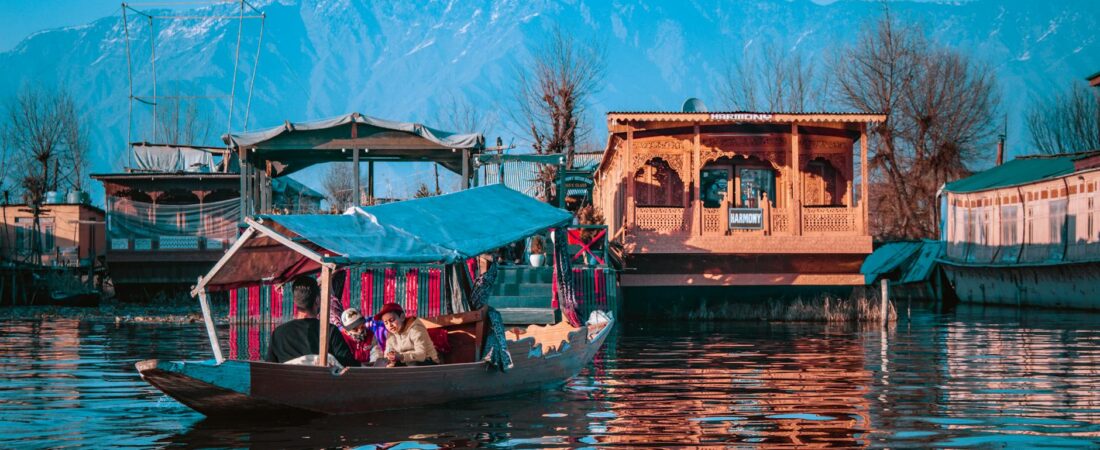
The Boulevard Spur area along Dal Lake is where most tourists stay and move around. This zone is considerably more relaxed. Hotels here have their own security, restaurants serve tourists regularly, and the atmosphere feels almost completely normal. You can walk around, visit cafes, rent shikharas for lake rides, and move freely without constant vigilance. This is genuinely the safest and most comfortable part of Srinagar for tourists.
Away from the city, in places like Gulmarg, Pahalgam, and Sonamarg, the environment shifts dramatically. These mountain valleys have minimal security infrastructure, few police checkpoints, and a relaxed, almost untouched atmosphere. Tourist arrival in these areas is so routine that local shopkeepers and hotel staff barely register your presence. The mountains are beautiful, quiet, and honestly less complicated than city tourism. If your priority is safety combined with a good experience, spend more time in the valleys and less in the urban center.
Fact 4: Your Behavior and Visibility Matter More Than External Threats
Here’s where honesty matters. Some security risks in Kashmir relate to external circumstances beyond your control. Many relate directly to how you present yourself and what you do.
Avoid drawing unnecessary attention. This means dressing modestly, which is both a cultural respect and a practical safety measure. Women especially should avoid sleeveless tops, short skirts, and tight clothing. Men don’t need to wear traditional dress, but casual, covered clothing is standard. You’re not trying to blend in completely, which is impossible as a tourist. You’re trying to avoid being provocatively visible.
Photography requires conscious thought. Asking permission before photographing people isn’t just polite. It’s essential. Taking pictures of military personnel, government buildings, or security installations is genuinely prohibited and can result in problems. Police can and will confiscate cameras or phones if you photograph restricted areas. Stick to landscapes, cultural sites, street scenes with obvious tourist infrastructure, and people who have agreed to be photographed.
Keep your phone charged and have offline maps downloaded. If you get lost in a city, knowing where you are reduces panic and poor decision-making. Having your phone at zero battery in an unfamiliar area is worse than any actual security risk you might face. It’s a practical precaution that prevents bad situations from developing.
Social media posts about your location in real-time are unnecessary. Photograph freely, but post thoughtfully. Avoid status updates that say “Currently at X location in Srinagar” or check-ins that announce exactly where you are. You’re probably fine. Probably isn’t worth testing. Share photos after you’ve left areas, not while you’re there. This is common sense that applies everywhere, not Kashmir specifically, but it matters more here.
Fact 5: Reliable Information Beats Outdated Fear or Blind Confidence
Your biggest safety tool isn’t avoiding Kashmir. It’s getting current information from reliable sources before you go and while you’re there.
Check the Indian Ministry of External Affairs travel advisory for Kashmir. This advisory gets updated based on actual conditions. If the government is warning against travel, that means something significant has changed. If the advisory says “exercise caution” rather than “avoid,” that’s actually a functional status for tourism. Read it yourself rather than listening to secondhand interpretations.
Contact your hotel directly before booking. Call them on the phone or email them with specific questions about safety, recent incidents, and current conditions. Real hotel staff who are there right now can give you vastly better information than online travel blogs written months ago. They have an incentive to be honest. If safety was genuinely compromised, they’d tell you because it affects their business. If they say everything is fine, that carries weight.
Join online travel communities specific to Kashmir. Reddit threads, Facebook groups for Kashmir tourism, and platforms like Quora have recent trip reports from people who were there weeks or days ago. These aren’t official sources, but they’re current. Read multiple reports. If you see a pattern of concerns, take it seriously. If you see mostly positive trips with minor complaints about weather or crowds, that’s your signal that it’s functioning as a tourism destination.
Trust local guides and hotel staff once you arrive. They navigate these situations every day. If your guide says “avoid this area today,” listen to them. If they say “this neighborhood is completely fine,” believe it. They’re not trying to mislead you. They have family and businesses in these areas. Their safety assessment is based on intimate local knowledge.
Your trip to Kashmir will likely be wonderful. Thousands of Indian tourists visit safely each season. The landscapes are genuine, the culture is fascinating, and the people are warm. But wonderful doesn’t mean risk-free. It means the normal precautions, basic awareness, and current information combine to make the trip worthwhile. Travel with open eyes. Don’t let fear create your decision. Don’t let overconfidence either. Let facts guide you.